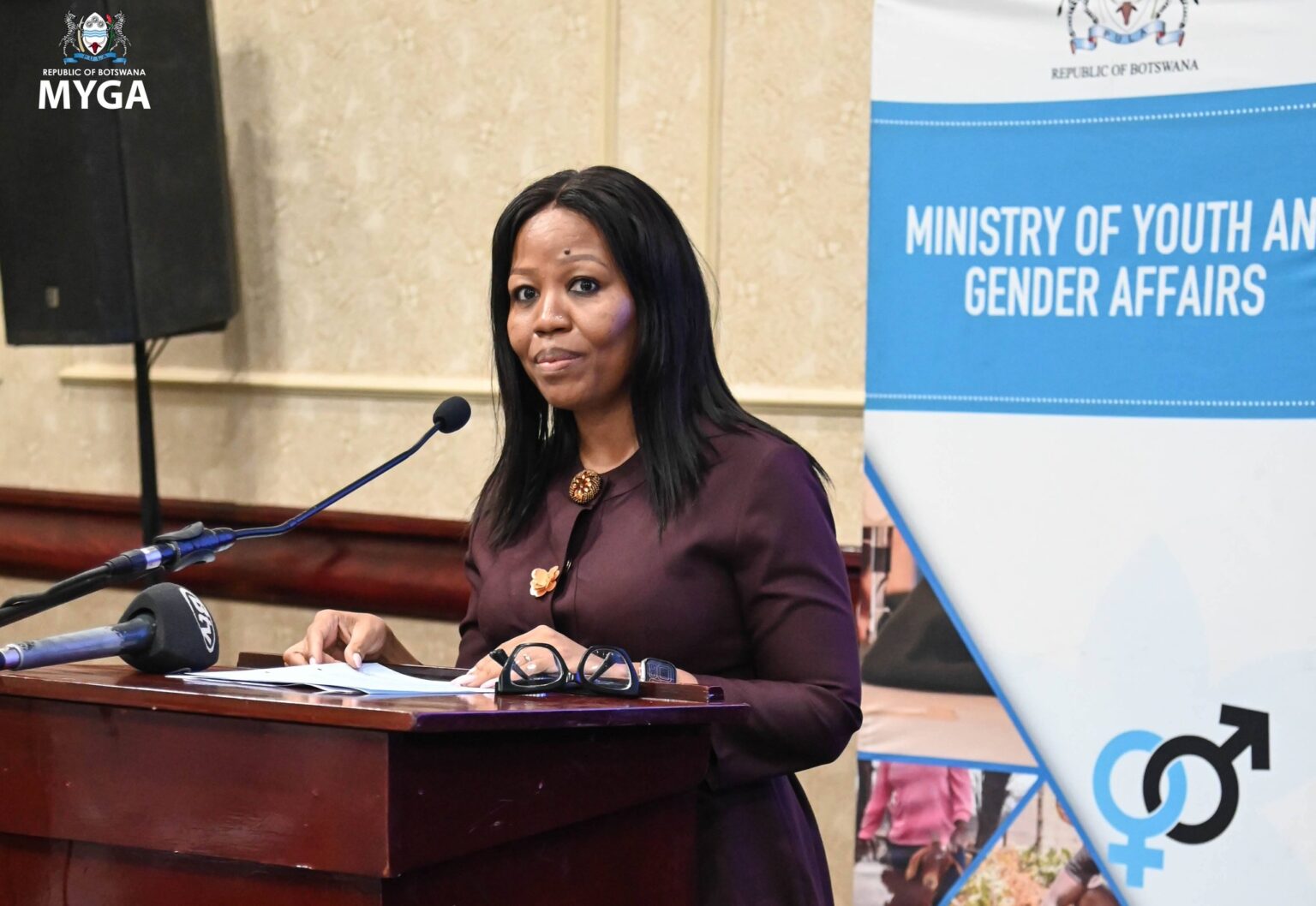
On 20 March 2026, the Ministry of Youth and Gender Affairs convened Civil Society Organisations, the private sector, and government stakeholders to discuss the National Policy on Gender Development, marking a significant step in advancing gender equality in Botswana. The meeting highlighted the country’s collective commitment to creating a policy framework that is both relevant and responsive to societal needs. Director of Gender Affairs, Ms Onneetse Makhumako, emphasized that the review process provides an opportunity to reflect on past achievements, assess ongoing challenges, and identify emerging issues in gender development. She stressed that the engagement of multiple stakeholders ensures that policy revisions are informed by diverse perspectives and practical experience. The session set the stage for an inclusive approach to shaping initiatives that empower women, protect vulnerable groups, and promote equitable access to opportunities.
Ms Makhumako explained that the 2015 National Policy on Gender and Development was designed to guide gender-sensitive initiatives across all sectors and identified five priority areas: economic development and poverty eradication, social protection and services, political participation and governance, access to justice and protection from violence, and special measures for vulnerable groups. She noted that the policy laid a foundation for mainstreaming gender in national planning and highlighted the importance of continuously updating it to reflect societal changes. The Ministry, in collaboration with the World Bank, is developing a National Strategy for Gender and Development, including data collection in selected areas and ongoing consultative meetings with stakeholders. This approach ensures that policy revisions are evidence-based and targeted, addressing both longstanding and emerging gender concerns.
Participants in the session contributed actively to discussions, raising key issues for the policy review. Suggestions included addressing gaps in emerging gender-related challenges, assessing the effectiveness of interventions against harmful social and cultural practices, and promoting women’s economic participation. Stakeholders also highlighted the importance of securing adequate budget allocations to support the implementation of gender initiatives. The dialogue underscored that while progress has been made, continuous efforts are required to enhance governance systems, improve data collection, and ensure that programs reach those most in need. The consultative process reinforced the value of collaborative engagement in creating policies that are practical, comprehensive, and impactful.
Stakeholders acknowledged that Botswana has made notable strides in reducing gender disparities. Reports indicate that harmful social and cultural practices occur at relatively low rates, women enjoy broader access to education and leadership roles, and public awareness of sexual and reproductive health and rights has increased. Despite these successes, participants emphasized the need for further improvements, particularly in strengthening mental health services and providing psychosocial support for survivors of gender-based violence. The discussions highlighted that achieving meaningful gender equality requires both structural reforms and community-level interventions. By focusing on education, economic empowerment, justice, and social protection, the country can address systemic barriers and create more equitable opportunities for all citizens.
The review of the National Policy on Gender Development represents a critical step toward consolidating gains and addressing emerging challenges in Botswana’s gender landscape. The Ministry’s engagement with Civil Society Organisations, private sector actors, and government departments ensures that the policy is informed, inclusive, and actionable. Through enhanced governance, targeted interventions, and improved support services, Botswana aims to strengthen gender equality and social protection for vulnerable groups. The consultative process reflects the country’s ongoing dedication to creating an equitable society where women and men have equal access to opportunities, rights, and resources. With sustained commitment, the revised policy and National Strategy for Gender and Development will provide a robust framework to guide the nation toward comprehensive gender equity and social well-being.