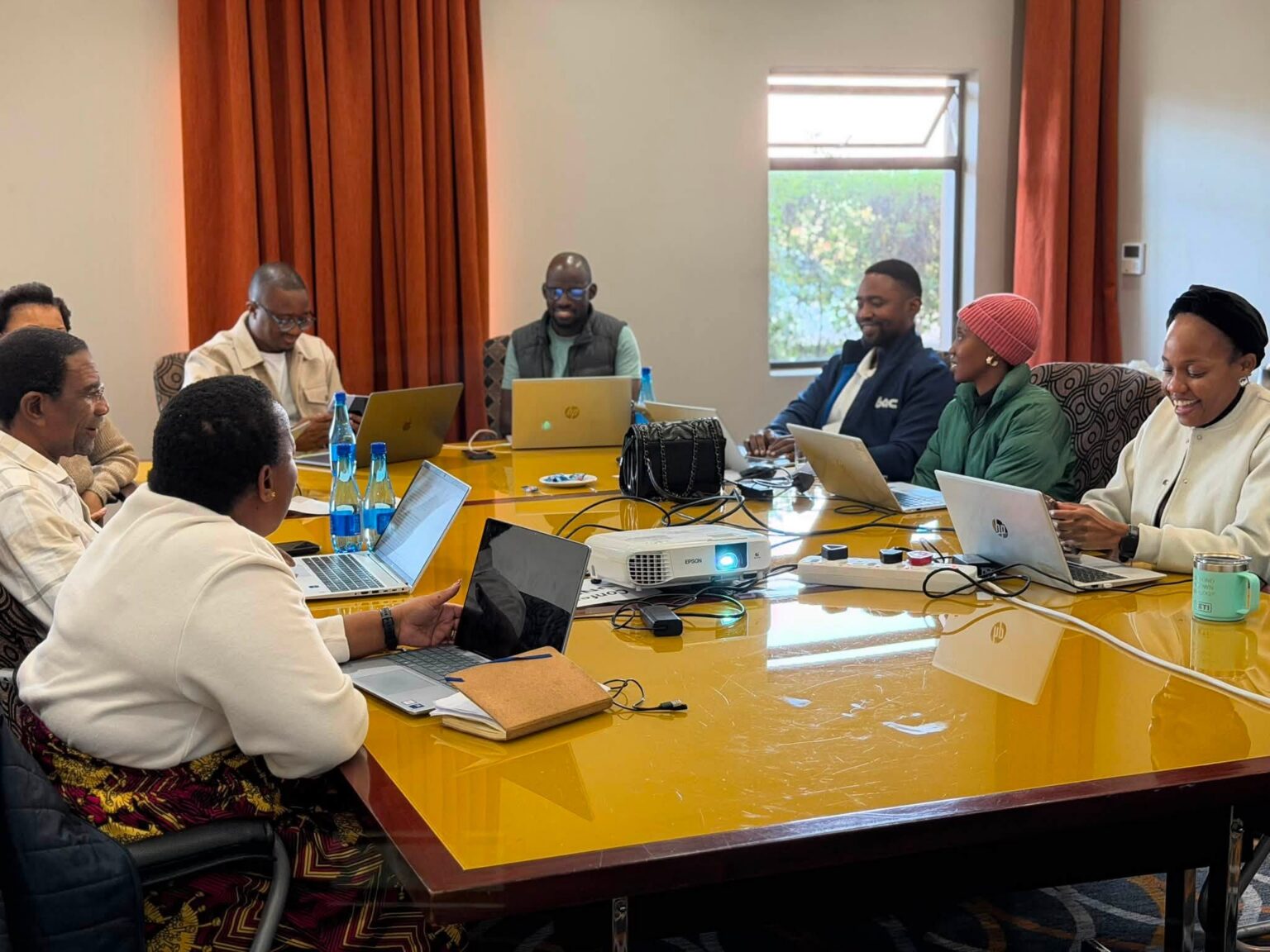
Botswana has taken another important step toward strengthening sustainable finance and environmental governance by successfully hosting its National Technical Working Session under the IKI Project: Enabling and Scaling Nature-Related Financial Disclosures (TNFD). The session followed the country’s recent “Train-the-Trainer” programme, marking a significant milestone in building national capacity to address nature-related financial risks and opportunities. Organized by the United Nations Development Programme (UNDP) through the Biodiversity Finance Initiative (BIOFIN), the event brought together representatives from government, academia and the private sector to develop a coordinated national approach. As environmental sustainability becomes increasingly important in financial decision-making around the world, Botswana is positioning itself to adopt internationally recognized practices that promote responsible investment and long-term economic resilience. The working session demonstrated the country’s commitment to integrating nature into financial planning and development strategies.
The National Technical Working Session created an opportunity for key institutions to collaborate on practical solutions that will support the implementation of the Taskforce on Nature-related Financial Disclosures framework in Botswana. Participants included representatives from the Ministry of Environment and Tourism, the National Planning Commission, the University of Botswana, the Botswana Institute of Chartered Accountants (BICA) and Business Botswana (BAC). Bringing together experts from these diverse sectors encouraged meaningful discussions on how environmental considerations can be incorporated into financial reporting, policy development and business operations. Their combined expertise provided valuable insight into the challenges and opportunities associated with nature-related financial disclosures. This collaborative approach reflects Botswana’s recognition that sustainable development requires strong partnerships across multiple sectors.
One of the most important outcomes of the session was the development of a Botswana-specific TNFD training framework. Rather than adopting a generic model, stakeholders worked together to create a framework tailored to the country’s environmental priorities, economic landscape and institutional capacity. This customized approach will help ensure that organizations receive training that is relevant to Botswana’s unique biodiversity, natural resources and development goals. It also provides a strong foundation for building local expertise and strengthening institutional knowledge across both the public and private sectors. Developing a national training framework is expected to improve understanding of how nature-related risks can affect financial performance and long-term sustainability.
Another major achievement was the identification of priority sectors for the initial rollout of the TNFD framework. Focusing on key industries allows Botswana to direct resources where nature-related risks and opportunities are likely to have the greatest impact. By identifying these sectors early in the implementation process, stakeholders can develop targeted strategies that address industry-specific challenges while encouraging sustainable business practices. This phased approach is expected to make implementation more effective by allowing lessons learned in priority sectors to inform future expansion. Careful planning also increases the likelihood of successful adoption across a broader range of industries over time.
The working session also emphasized practical learning through the use of real-world case studies and the development of a structured training plan. Practical examples enable participants to understand how nature-related financial disclosures can be applied within Botswana’s economic and environmental context. These case studies help organizations recognize potential risks associated with biodiversity loss, ecosystem degradation and climate-related impacts while identifying opportunities for sustainable investment and resource management. A structured training programme ensures that knowledge is delivered consistently and can be adapted to different sectors and institutions. Building practical skills will be essential as Botswana prepares for broader implementation of the framework.
An additional milestone from the session was the creation of a clear roadmap to guide national implementation of the TNFD framework. Establishing a roadmap provides direction for government agencies, financial institutions, businesses and educational organizations as they begin integrating nature-related considerations into their decision-making processes. The roadmap outlines priorities, implementation stages and areas where collaboration will be needed to achieve long-term success. Having a shared national plan helps align stakeholders around common objectives while improving coordination across different institutions. This strategic planning process strengthens Botswana’s ability to implement sustainable financial practices in a structured and measurable way.
The initiative also highlights the growing importance of incorporating environmental considerations into financial systems and economic planning. Around the world, investors, regulators and businesses are increasingly recognizing that biodiversity loss and ecosystem degradation can create significant financial risks. Nature-related financial disclosures encourage organizations to identify, assess and manage these risks while also recognizing opportunities linked to conservation, restoration and sustainable resource management. By participating in this global movement, Botswana is preparing its institutions to meet evolving international expectations while supporting responsible economic growth. This forward-looking approach can enhance investor confidence and contribute to more resilient financial systems.
Capacity building remains a central objective of the IKI Project and the BIOFIN initiative in Botswana. The successful completion of the National Technical Working Session demonstrates that local institutions are gaining the knowledge and tools needed to understand increasingly complex sustainability challenges. Strengthening institutional capacity supports better policy development, improved financial reporting and more informed business decisions. It also creates opportunities for universities, professional organizations and government departments to work together in developing future expertise. Investing in knowledge and skills today will help ensure that Botswana remains well prepared to address environmental and financial challenges in the years ahead.
As Botswana moves into the implementation phase of the project, the country is laying the foundation for stronger integration of nature-related considerations into national development and financial decision-making. The achievements of the National Technical Working Session, including the development of a Botswana-specific training framework, the identification of priority sectors, practical training resources and a national implementation roadmap, provide a solid platform for future progress. Continued collaboration between government, academic institutions, professional bodies and the private sector will be essential to ensuring successful adoption of the TNFD framework. By supporting local institutions to better understand, measure and respond to nature-related risks and opportunities, Botswana is taking meaningful steps toward building a more sustainable and resilient economy. The country’s commitment to this initiative reflects its determination to protect natural resources while promoting responsible financial practices that benefit both present and future generations.