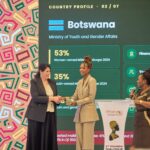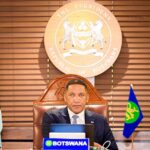
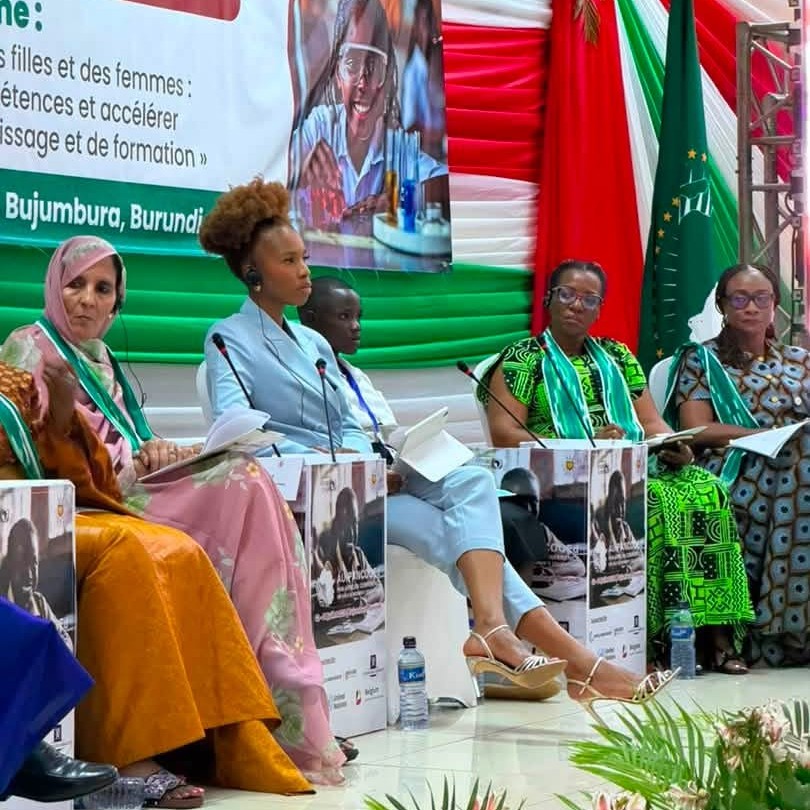
Botswana has reaffirmed its commitment to ensuring that every girl has access to a safe, inclusive and empowering learning environment during the 2nd African Union Pan-African Conference on Girls’ Education (PANCOGED2) held in Bujumbura, Burundi. The Minister of Youth and Gender Affairs, Honourable Lesego Chombo, represented Botswana at the high-level gathering, which brought together African leaders, policymakers and development partners to discuss practical strategies for advancing girls’ and women’s education across the continent. Her participation highlighted Botswana’s continued dedication to creating opportunities that allow girls to learn, develop and achieve their full potential. The conference served as an important platform for countries to exchange experiences, strengthen partnerships and identify solutions to the barriers that continue to affect girls’ education. Botswana’s message focused on building education systems that are safe, supportive and capable of preparing young women for successful futures.
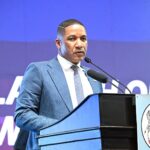
Speaking during a Ministerial panel discussion, Honourable Chombo shared Botswana’s progress in promoting gender equality within the education sector. She acknowledged that the country has achieved significant success in reaching gender parity in schools, ensuring that girls and boys have similar opportunities to access education. However, she emphasized that true progress extends beyond school enrolment figures and requires creating environments where girls can learn without fear of violence, discrimination or exclusion. According to the Minister, quality education is only meaningful when students are protected, respected and supported throughout their educational journey. She stressed that every girl deserves an environment where she can develop academically, socially and emotionally with confidence.
Minister Chombo outlined several measures Botswana has introduced to strengthen child protection and improve learning conditions for girls across the country. She highlighted ongoing efforts to enhance child safeguarding systems through stronger policies and coordinated government action. These initiatives include improving sanitation and menstrual hygiene facilities in schools, creating safe reporting mechanisms for children experiencing abuse or harassment and strengthening collaboration between the Ministry of Youth and Gender Affairs and the Ministry of Child Welfare and Basic Education. These interventions are designed to remove barriers that often prevent girls from attending school regularly or performing to their full potential. By addressing both physical and emotional wellbeing, Botswana aims to create learning environments where every child feels secure and valued.
The Minister also discussed Botswana’s commitment to strengthening its legal and policy framework to address emerging challenges affecting girls and young women. She noted that the government is currently reviewing the National Policy on Gender and Development to ensure it remains relevant in addressing modern issues. At the same time, Botswana is developing a Gender-Based Violence Bill that seeks to provide stronger protection against various forms of abuse and violence. The proposed legislation is expected to address growing concerns such as online safety, cyberbullying and harmful social norms that increasingly affect young people in the digital age. These reforms demonstrate Botswana’s determination to adapt its policies to changing social realities while protecting the rights and wellbeing of girls.
Honourable Chombo emphasized that improving girls’ education requires the participation of the entire society rather than government acting alone. She explained that boys, parents, teachers, traditional leaders, faith leaders and communities all have important responsibilities in creating environments where girls can thrive. Encouraging mutual respect, equality and shared responsibility helps build safer schools and stronger communities. The Minister noted that when every member of society actively supports girls’ education, the chances of long-term success increase significantly. She stressed that lasting change depends on collective action and sustained commitment from all sectors of society.
Beyond ensuring access to education, Botswana is also investing in programmes that prepare girls to become future leaders and active citizens. Minister Chombo highlighted initiatives that promote girls’ leadership, entrepreneurship, mentorship and civic participation across the country. These programmes equip young women with practical skills, confidence and opportunities to participate meaningfully in national development. By exposing girls to leadership experiences and positive role models, Botswana aims to nurture a generation capable of driving economic growth, innovation and social progress. Empowering girls with knowledge and leadership skills creates benefits that extend beyond individuals to families, communities and the nation as a whole.
During another panel discussion focusing on nutrition and girls’ education, Honourable Chombo shared Botswana’s experience with its long-standing school feeding programme. She described the initiative as much more than a nutrition intervention, explaining that it serves as an important investment in education, health, social protection and national development. The programme has contributed to improved school enrolment, better attendance and higher retention rates, particularly among girls and children from vulnerable communities. Providing nutritious meals at school helps remove one of the barriers that can prevent children from accessing quality education. It also supports learners’ physical development and ability to concentrate in the classroom, creating better conditions for academic success.
While highlighting the value of school feeding programmes, Minister Chombo made it clear that nutrition alone cannot guarantee educational success. She explained that school meals must be supported by broader policies that protect girls, promote their wellbeing and provide equal opportunities for learning and personal growth. Safe schools, effective child protection systems, supportive teachers and inclusive education policies all work together to help girls succeed. Addressing only one aspect of education is not enough to overcome the complex challenges many girls face. Botswana therefore continues to pursue a comprehensive approach that combines health, education, safety and social protection.
As the conference concluded, Honourable Chombo called for stronger partnerships among African Union Member States to accelerate progress in girls’ education across the continent. She emphasized that investing in girls is an investment in Africa’s future because educated girls become empowered women who contribute to stronger economies, healthier communities and more inclusive societies. Botswana reaffirmed its commitment to working alongside fellow African nations, development partners and stakeholders to create opportunities for every girl to learn with dignity, confidence and hope. The country’s continued investment in education, child protection and gender equality demonstrates its belief that every girl deserves the chance to reach her full potential. Through collaboration, innovation and sustained commitment, Botswana aims to help build an Africa where every girl can access quality education and become a leader in shaping the continent’s future.