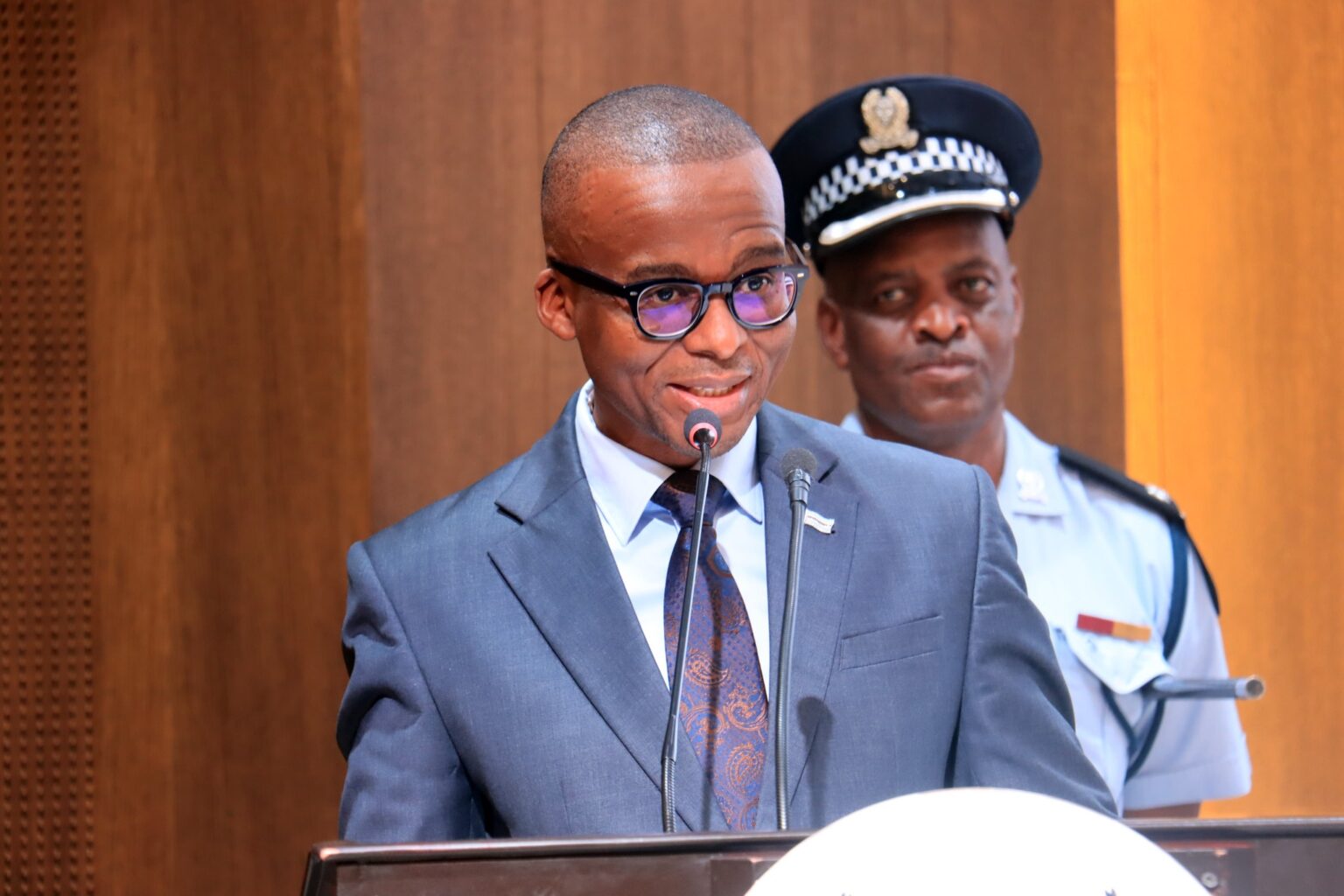
Botswana has taken a major step toward reshaping its economic future with the launch of the Sustainable Livelihoods Approach (SLA) under the Botswana Economic Transformation Programme. In a keynote address, Vice President and Minister of Finance Ndaba N. Gaolathe emphasized that the initiative represents a decisive shift toward inclusive growth, self-reliance, and long-term prosperity. He highlighted that the dialogue comes at a critical moment as the nation seeks to move beyond traditional systems and co-create solutions with communities. While Botswana has invested approximately 9 billion pula annually in social protection, challenges such as rural poverty and youth unemployment persist. Vice President Gaolathe noted that many citizens receive support sufficient to survive but lack opportunities to thrive, and the SLA aims to address this gap by turning consumption-based assistance into production-driven empowerment.
The Sustainable Livelihoods Approach was first introduced in 2011 but remained largely underutilized until now. Its renewed implementation reflects a strong commitment to transforming social assistance into sustainable economic participation. Vice President Gaolathe revealed that over 800 stakeholders, including government leaders and trained facilitators, have been engaged through the Botswana Economic Transformation Programme labs. The SLA is already being implemented across several districts, with plans for nationwide expansion. Its framework emphasizes community-driven development, market access, microfinance, and entrepreneurship as key tools to transition households from reliance on safety nets to self-sufficiency.
At the heart of the SLA is a people-centered philosophy that recognizes the inherent assets within communities, including skills, land, knowledge, and culture, and links them to economic opportunities. Structured pathways will guide households toward self-reliance through skills development, financial inclusion, and enterprise support. Vice President Gaolathe stressed that the programme is designed to harness these assets while providing the tools and networks needed for sustainable livelihoods. By focusing on local resources and capacities, the SLA seeks to create long-term economic resilience and inclusive growth. The approach aims to ensure that citizens are active participants in economic development rather than passive recipients of social support.
Minister of Local Government and Traditional Affairs Ketlhalefile F.C. Motshegwa welcomed the initiative, noting that it aligns with key national and global frameworks such as National Development Plan 12, Vision 2036, and international goals like ending poverty, reducing inequalities, and promoting sustainable communities. He emphasized that the SLA empowers vulnerable populations to transition from dependence on social welfare to self-reliance. Minister Motshegwa further stated that the dialogue focuses on actionable outcomes, highlighting that ongoing reforms under the National Social Protection Framework aim to build resilience, create economic opportunities, and reduce vulnerability. He encouraged all participants to contribute meaningfully to the process, ensuring that the dialogue results in practical strategies that advance Botswana’s vision for a more equitable and prosperous future.
The forum brought together stakeholders from across Botswana’s 31 districts to exchange knowledge, share best practices, and strengthen partnerships. Its objectives include raising awareness of the SLA, fostering collaboration, and promoting effective implementation and monitoring of sustainable development initiatives. By engaging diverse actors and prioritizing local solutions, the programme sets a foundation for inclusive economic growth and improved social outcomes. Through coordinated efforts, the Sustainable Livelihoods Approach aims to create opportunities for households to move from survival to thriving, while reinforcing the country’s long-term goals under the Botswana Economic Transformation Programme. The initiative represents a major step toward building a resilient, self-reliant, and prosperous Botswana.