Botswana’s education sector is preparing for a significant transformation following an announcement made before Ntlo ya Dikgosi regarding proposed changes to the country’s basic education system. The planned reforms are designed to create a more inclusive and supportive learning environment for learners throughout their educational journey. Education leaders believe the changes will help ensure that every child has access to continuous learning opportunities without facing barriers that may interrupt their academic progress. The proposal has already generated widespread discussion among traditional leaders, educators and stakeholders interested in the future of education in Botswana. At the center of the discussion is the intention to abolish the Primary School Leaving Examination (PSLE) and replace it with a system that guarantees twelve years of uninterrupted basic education.
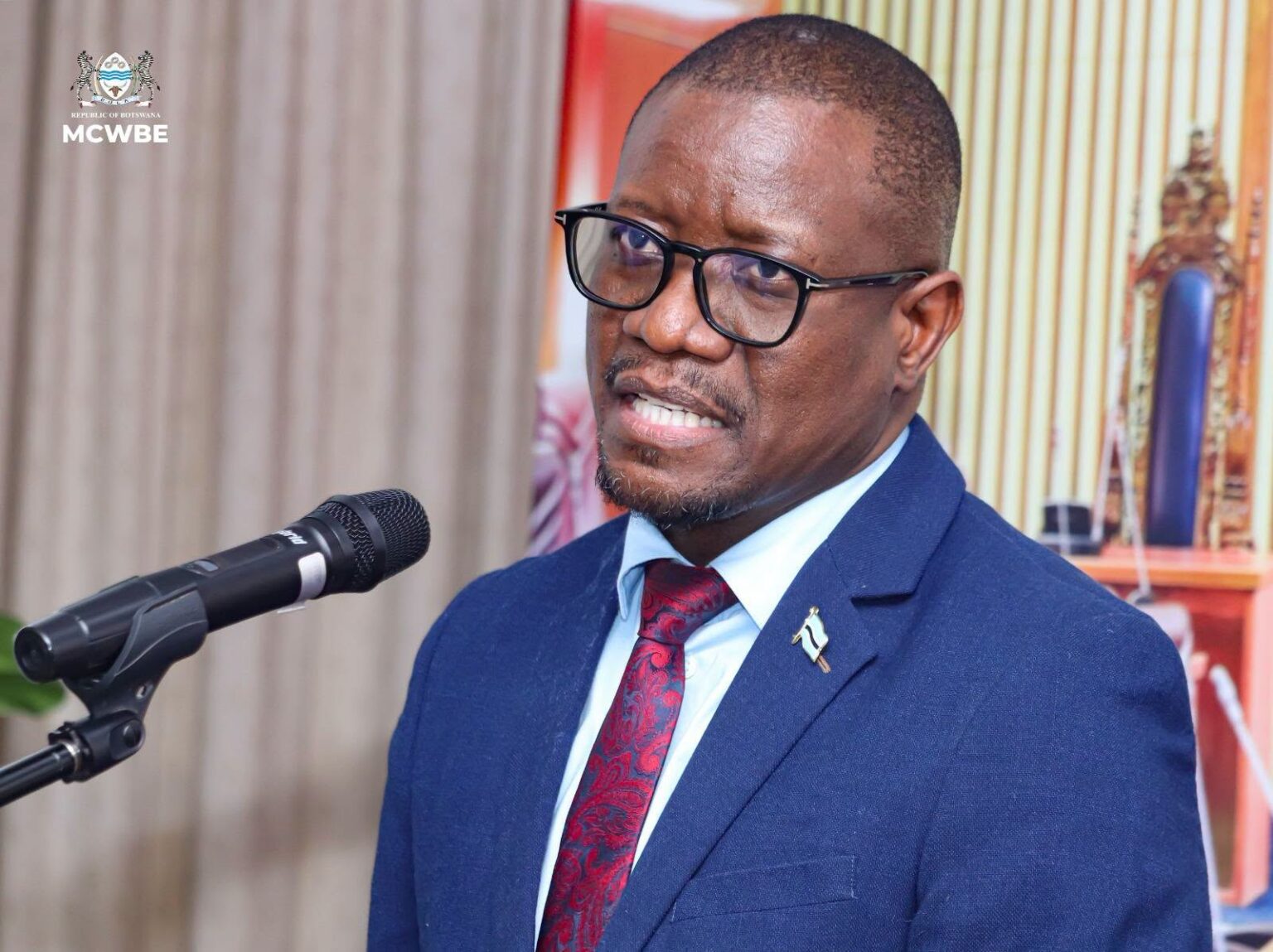
When addressing Ntlo ya Dikgosi, Secretary for General Education in the Ministry of Child Welfare and Basic Education, Steve Bothasitse, outlined the ministry’s vision for the future of education. He explained that the proposed reforms aim to remove educational bottlenecks that can limit learners’ opportunities at an early stage. The abolition of the PSLE is intended to support a seamless transition through the various levels of basic education without the pressure associated with high-stakes examinations. The ministry also plans to strengthen psychosocial assessments to better understand and support learners’ emotional, social and educational needs. These measures form part of a broader strategy to improve educational outcomes and ensure that no child is left behind.
The move toward twelve years of uninterrupted basic education reflects a growing global trend that emphasizes continuous learning and holistic child development. Education experts increasingly recognize that children develop at different rates and that a single examination may not always accurately reflect a learner’s abilities or potential. By reducing reliance on one major assessment, schools may be better positioned to focus on long-term learning, skill development and individual growth. The proposed model seeks to create an environment where learners can progress through the education system while receiving appropriate support along the way. Enhanced psychosocial assessments will play a critical role in identifying challenges early and providing interventions that help learners succeed academically and personally.
Members of Ntlo ya Dikgosi largely welcomed the proposed reforms and praised the ministry for taking steps to modernize the education system. Many Dikgosi acknowledged the potential benefits of a model that prioritizes continuous learning and broader child development. They noted that removing barriers to progression could help improve retention rates and increase educational opportunities for learners across the country. The discussion demonstrated strong interest in ensuring that future generations receive an education system that prepares them for an evolving world. However, alongside the praise, some leaders also raised important questions about how the reforms would be implemented and monitored.
Among those expressing concerns was Kgosi Dingalo, who questioned whether the removal of the PSLE might reduce teacher accountability. His concern centered on the possibility that without a major examination at the end of primary school, some educators might become less committed to maintaining high standards in the classroom. The concern reflects a broader debate often seen in education reforms around the world, where stakeholders seek to balance reduced examination pressure with the need to ensure quality teaching and learning. Questions about accountability remain important whenever major changes are introduced into an education system. Addressing these concerns is therefore essential for building confidence in the proposed reforms.
In response, ministry officials reassured the house that accountability would remain a central component of the education system. The director explained that the focus would shift from evaluating only the final outcomes of learners to continuously improving the processes that shape educational success. Rather than relying solely on examination results, existing structures would be strengthened to monitor teaching quality, learner progress and overall school performance. This approach emphasizes ongoing evaluation, support and improvement throughout the learning process. Officials believe that by focusing on continuous development rather than a single examination, educators can be better supported while maintaining high standards of instruction.
The proposed abolition of the PSLE represents one of the most significant education reforms currently under consideration in Botswana. If implemented successfully, the changes could reshape how learners progress through the education system and how schools support their academic and personal development. The combination of uninterrupted basic education and enhanced psychosocial assessments has the potential to create a more inclusive and learner-centered system. While questions about implementation and accountability will continue to be discussed, the ministry has emphasized its commitment to maintaining educational quality through strengthened internal processes. As consultations and discussions continue, the proposed reforms signal Botswana’s determination to build an education system that promotes opportunity, supports learner well-being and prepares young people for future success.