Botswana has taken a significant step toward strengthening its climate resilience and disaster preparedness by successfully concluding a four-day National Multi-stakeholder Co-production Workshop on Impact-Based Forecasting (IBF) and Action-Based Forecasting (ABF). The workshop marked an important milestone in the country’s efforts to modernise weather forecasting and improve emergency response systems. Rather than relying solely on traditional weather reports that focus on rainfall, temperature, or wind conditions, Botswana is adopting a forecasting approach that connects weather events to their likely impacts on communities, infrastructure and livelihoods. This shift is expected to provide citizens, emergency responders and government institutions with practical information that supports timely decision making. As climate-related disasters become more frequent and severe across the region, Botswana’s commitment to smarter forecasting demonstrates its determination to better protect lives, property and economic development.
The National Multi-stakeholder Co-production Workshop brought together government departments, technical experts, disaster management officials, meteorologists and development partners to collaborate on a shared vision for the future of climate services in Botswana. Throughout the four-day programme, participants explored ways to improve the country’s forecasting systems by focusing not only on predicting weather hazards but also on identifying the likely consequences those hazards may have on different communities. This collaborative approach encourages institutions to work together before disasters occur rather than reacting after damage has already been done. The workshop also highlighted the importance of integrating scientific expertise with local knowledge to create forecasts that are relevant, understandable and actionable. By encouraging open dialogue between multiple stakeholders, Botswana has laid the foundation for a more coordinated national disaster preparedness framework.
One of the key outcomes of the workshop was the country’s commitment to transitioning from conventional weather forecasting to Impact-Based Forecasting and Action-Based Forecasting. Unlike traditional forecasts that simply describe weather conditions, the new approach provides information about how expected weather events may affect people, agriculture, transport networks, water resources and essential services. This enables authorities to issue more meaningful warnings that help communities understand the risks they face and the actions they should take before hazardous weather strikes. Early warnings become far more valuable when they include guidance that supports informed decision making at every level of society. By linking forecasts directly to anticipated impacts, Botswana aims to strengthen preparedness, reduce disaster losses and improve public safety.
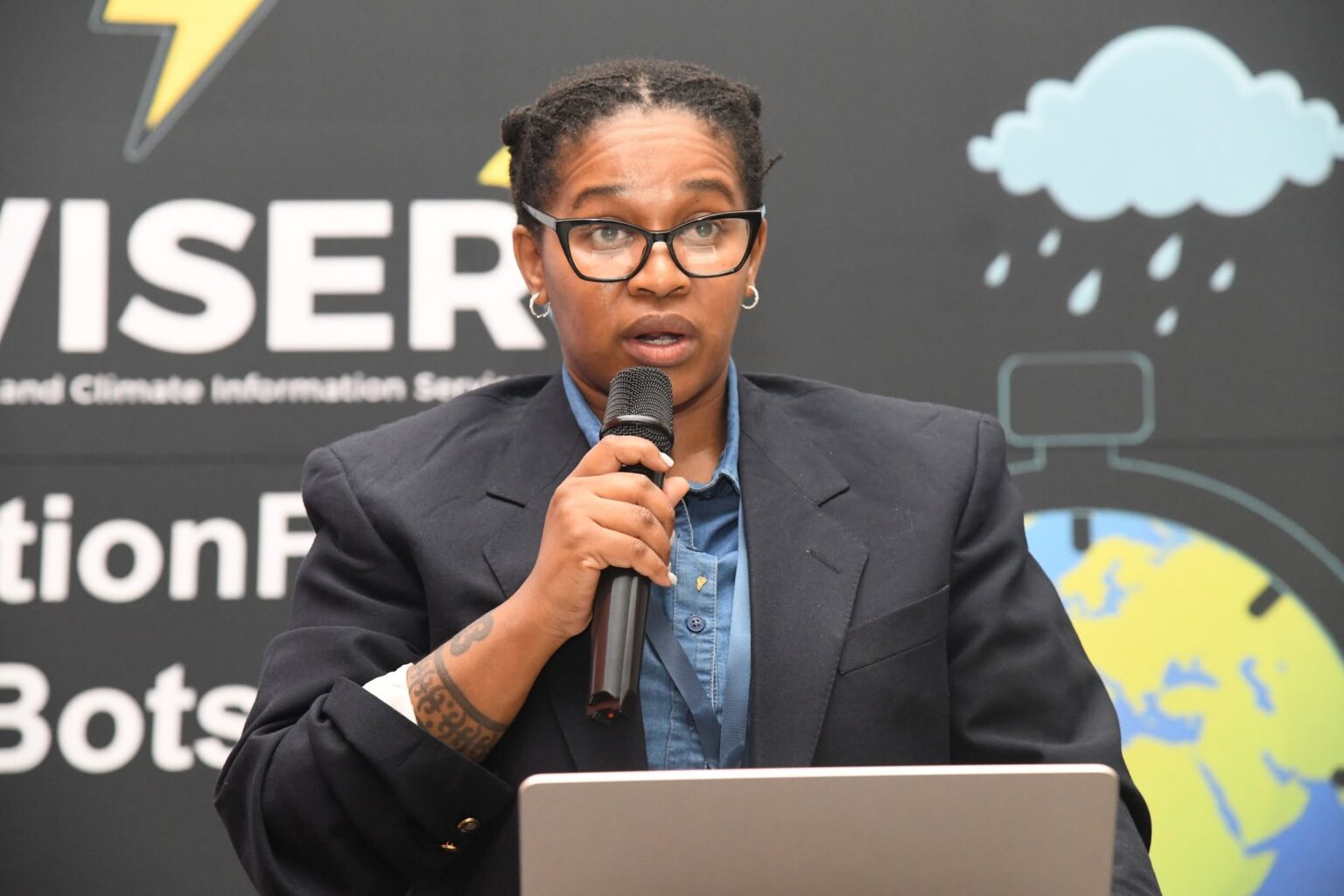
Delivering the closing remarks, Ms. Tuduetso Mokgosi, Deputy Permanent Secretary for the Ministry for State President, Defence and Security, praised the workshop for its interactive and collaborative atmosphere. She described the four-day engagement as a productive journey that successfully united stakeholders from different sectors around a common objective. According to Mokgosi, the workshop demonstrated the value of partnership and collective problem solving in addressing increasingly complex climate challenges. She acknowledged the willingness of participants to share expertise, exchange ideas and build stronger institutional relationships throughout the programme. Her remarks reflected confidence that the momentum created during the workshop would continue as Botswana advances its climate adaptation and disaster risk reduction strategies.
Mokgosi also placed strong emphasis on ensuring that vulnerable communities remain central to future planning processes. She encouraged the organising committee to actively include representatives from high-risk and vulnerable communities in future committees, meetings and technical workshops. This recommendation recognises that local communities often possess valuable knowledge about the risks they experience and the practical challenges they face during extreme weather events. Including their perspectives will help ensure that emergency plans and forecasting systems respond to real community needs rather than relying solely on technical assessments. By giving vulnerable populations a stronger voice in planning and decision making, Botswana is promoting a more inclusive and people-centred approach to disaster preparedness.
The Deputy Permanent Secretary further commended the outstanding collaboration between the National Disaster Management Office (NDMO) and the Department of Meteorological Services (DMS). Their coordinated efforts, together with contributions from local institutions and regional partners, played a critical role in delivering the workshop successfully. Effective disaster management depends on strong cooperation between agencies responsible for forecasting, emergency response, public communication and community engagement. The partnership demonstrated during the workshop reflects Botswana’s commitment to breaking down institutional barriers and encouraging coordinated action across government departments. Such collaboration is expected to improve the speed and effectiveness of future responses to climate-related emergencies.
International and regional partnerships have also played a major role in supporting Botswana’s transition toward modern forecasting systems. Mokgosi expressed sincere appreciation to key development partners, including Weather and Climate Information Services (WISER), the South African Weather Service (SAWS) and the World Meteorological Organization (WMO). These organisations have contributed technical expertise, knowledge sharing and institutional support that strengthen Botswana’s ability to implement advanced forecasting practices. Access to international experience allows the country to benefit from proven approaches while adapting them to local conditions and priorities. Continued cooperation with these partners will help ensure that Botswana remains aligned with global best practices in weather forecasting, disaster risk reduction and climate resilience.
The successful completion of the National Multi-stakeholder Co-production Workshop represents more than the end of a four-day event. It signals the beginning of a new chapter in Botswana’s approach to climate preparedness and disaster management. By embracing Impact-Based Forecasting and Action-Based Forecasting, strengthening collaboration among institutions, including vulnerable communities in planning and building lasting partnerships with regional and international organisations, Botswana is creating a more resilient future. These efforts will help improve early warning systems, support faster emergency responses and reduce the social and economic impacts of climate-related disasters. With a clear implementation strategy and strong partnerships in place, Botswana is well positioned to build long-term climate resilience while safeguarding its people and supporting sustainable national development.