
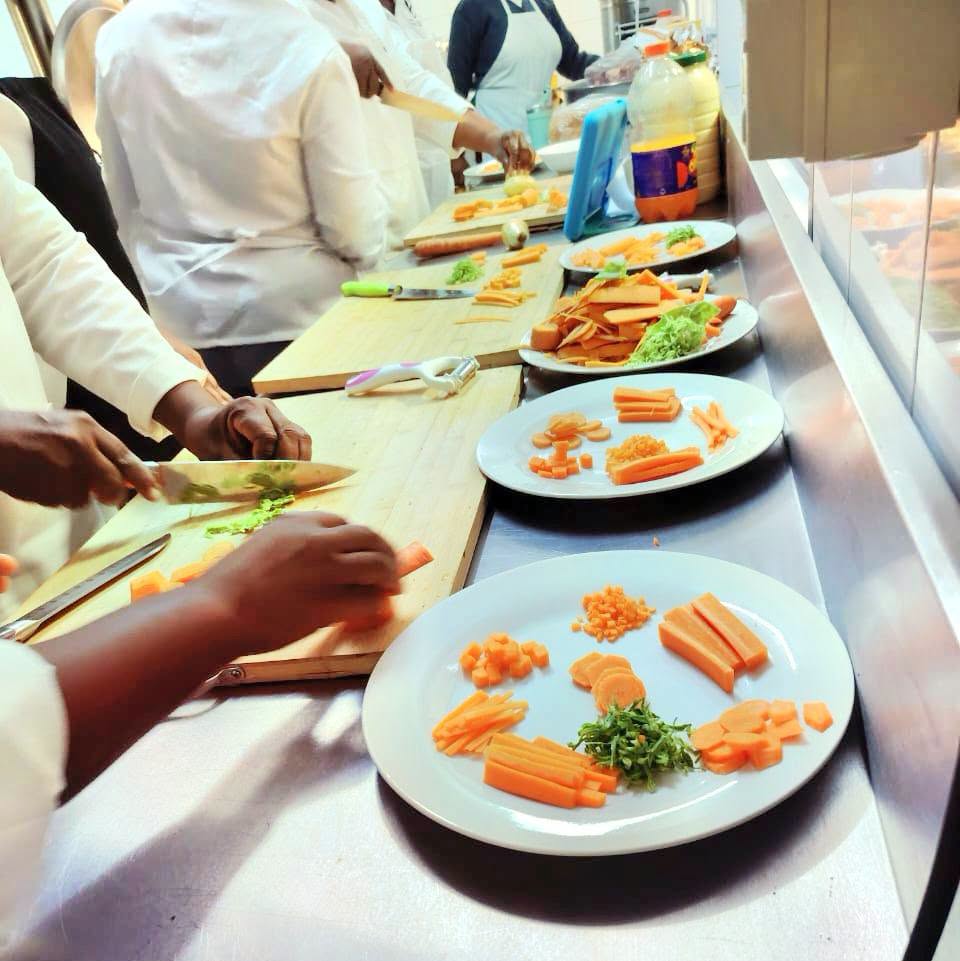
The Maun Centre for Special Education has taken a major step toward improving child safety and wellbeing through a focused training session for its cooking staff. The programme was designed to strengthen knowledge on safe food preparation and proper hygiene practices in a school environment that supports children with special needs. The training highlighted the direct link between food safety and child health, especially for learners who may have underlying disabilities or medical vulnerabilities. Staff members were guided on how careful preparation can reduce health risks and improve the quality of meals served daily. The initiative reflects a broader commitment to creating a safe and supportive learning environment for all children at the centre. It also shows the importance of equipping support staff with practical skills that directly affect learner wellbeing.
Ms. Duduetsang Moroka, Head of Diagnostics and Rehabilitation, played a key role in reinforcing the importance of understanding each child’s individual needs. She explained that proper assessment of learners helps determine dietary requirements and identify possible disorders that may affect how food is processed by the body. This approach ensures that meals are not only nutritious but also suitable for each child’s specific health condition. She further stressed that ignoring these differences can create avoidable health risks for vulnerable learners. Her message focused on responsibility, care and accuracy when preparing food in a special education setting. Staff were encouraged to treat food preparation as part of a broader therapeutic and protective system for children.
The training placed strong emphasis on food safety, hygiene standards and proper kitchen procedures, with support from the North West District Council. Cooks were trained on how contamination can occur at different stages of food handling, from storage to serving. They were also taught practical methods to prevent contamination, including proper cleaning routines, temperature control and safe ingredient handling. Special attention was given to the fact that children with disabilities may be more sensitive to poor hygiene practices. This made strict adherence to safety procedures a priority rather than an option. The sessions aimed to ensure that every meal served meets high standards of safety and nutritional quality.
Legal compliance formed another important part of the training, with staff introduced to key regulations such as the Food Control Act. These laws outline the minimum requirements for safe food handling in institutional settings. Staff were reminded that certification is not only a formal requirement but also a critical safeguard for public health. The training also covered the need for food handlers to undergo proper assessments and maintain valid certification at all times. This ensures that every staff member working in the kitchen meets the required health and safety standards. The emphasis on legal compliance reinforced accountability within the food preparation process.
The importance of certification and continuous compliance was highlighted as a non-negotiable responsibility for all kitchen staff. Workers were encouraged to ensure that their food handling certificates remain valid and up to date. This requirement helps reduce risks linked to improper food handling and strengthens trust in the meals provided at the centre. It also ensures that the institution aligns with national health regulations and best practices in institutional feeding. By maintaining certified staff, the centre strengthens its ability to provide safe and reliable meals for learners. The message was clear that safety standards must be consistently upheld without exception.
The training session reflects a broader understanding that nutrition and safety are central to the development and wellbeing of children with special needs. Proper food handling contributes not only to physical health but also to learning readiness and overall quality of life. The Maun Centre for Special Education continues to demonstrate its commitment to safeguarding learners through practical training and continuous staff development. By investing in skills and knowledge for its kitchen staff, the centre strengthens the foundation of care it provides every day. The initiative reinforces the idea that safe, nutritious meals are an essential part of inclusive education.