
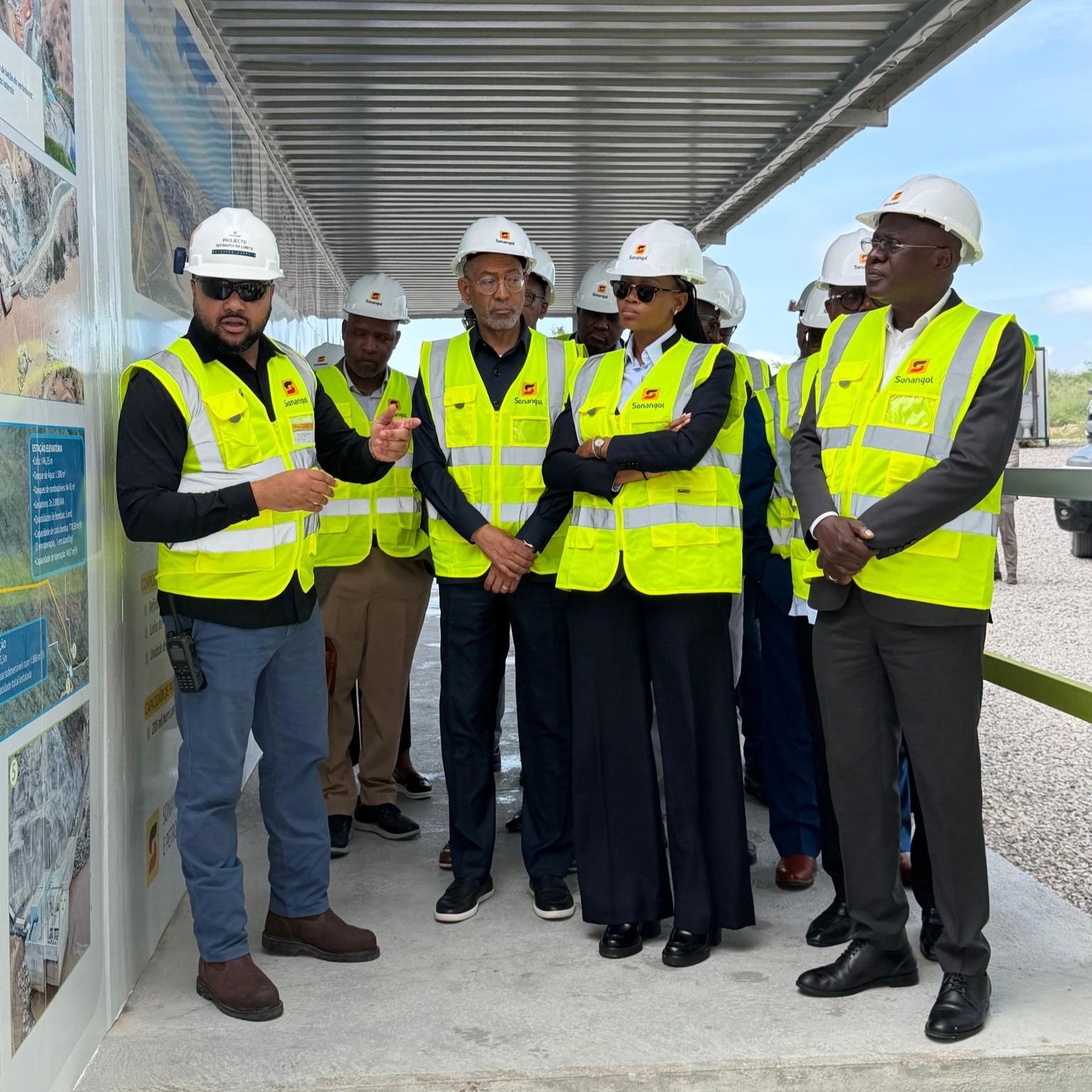
Botswana is taking a strategic step toward securing its energy future through high-level engagement in Angola, where the Minister of Minerals and Energy, Honourable Bogolo Joy Kenewendo, is currently on an official visit. The trip follows an invitation from Honourable Diamantino Pedro Azevedo, Angola’s Minister of Mineral Resources, Petroleum and Gas, and focuses on deepening cooperation in the energy sector. At the centre of the visit is the Lobito Refinery Project, a major infrastructure development that is expected to reshape fuel production and distribution across Southern and Central Africa. This engagement reflects Botswana’s intent to move beyond traditional roles in energy consumption and toward active participation in regional energy systems. The visit also highlights a growing recognition that energy security and economic development are closely linked. By engaging directly with large-scale projects, Botswana is positioning itself to better understand and influence the evolving energy landscape.
The Sonangol-led Lobito Refinery Project stands as one of the most significant energy developments currently underway in Africa. Once completed, the refinery is expected to serve as a key hub for refining crude oil into usable fuel products, reducing dependence on imported refined fuel across the region. This will have a direct impact on how fuel is produced, transported, and accessed by multiple countries. For Botswana, which relies heavily on imported fuel, the project presents an opportunity to engage with a more stable and regionally integrated supply chain. The refinery’s scale and strategic location position it as a critical node in emerging energy corridors. These corridors are expected to influence trade routes, pricing structures, and long-term energy security across the continent.
Minister Kenewendo’s visit includes a detailed tour of the Lobito Refinery site, providing insight into the technical, logistical, and operational aspects of the project. Such exposure allows Botswana to assess how similar large-scale infrastructure projects are structured and managed. It also offers an opportunity to identify potential entry points for collaboration, whether through investment, supply agreements, or technical partnerships. Understanding the full scope of the refinery’s operations is essential for making informed decisions about future participation. The visit supports Botswana’s broader goal of strengthening its capacity to engage in complex energy projects. It also reflects a practical approach to learning from established industry leaders within the region.
The engagement goes beyond observation and into strategic planning, as the Government of Botswana explores potential forms of participation in the Lobito Refinery Project. These may include access agreements, equity participation, or other partnership models that align with national interests. Early-stage discussions are focused on identifying how Botswana can secure a more stable and cost-effective fuel supply while contributing to the broader energy ecosystem. This approach signals a shift from being a passive consumer to becoming an active contributor in regional energy systems. By participating in such projects, Botswana can gain greater control over supply chains and reduce exposure to external market shocks. The move also aligns with long-term goals of building resilience and sustainability within the energy sector.
Regional partnerships are a key theme of the visit, as both Botswana and Angola recognize the importance of collaboration in addressing energy challenges. Energy infrastructure projects of this scale require coordinated efforts across multiple countries, institutions, and private sector players. By strengthening ties with Angola, Botswana is positioning itself within a network of countries working toward shared energy solutions. This cooperation is expected to enhance knowledge exchange, technical capacity, and investment opportunities. It also supports broader continental initiatives aimed at improving energy access and reliability. The engagement reflects a growing understanding that no single country can achieve energy security in isolation.
The Lobito Refinery Project also represents a broader shift in how Africa approaches energy development. Instead of relying heavily on external suppliers, countries are increasingly investing in local and regional infrastructure to meet their needs. This trend is driven by the need for greater self-sufficiency and economic stability. For Botswana, participating in such initiatives offers a pathway to reduce dependence on distant markets and build stronger regional ties. It also opens opportunities for local industries to benefit from improved energy access. The project’s long-term impact is expected to extend beyond fuel supply into areas such as industrial growth and job creation.
As the Lobito Refinery moves closer to full operation, Botswana’s engagement at this stage provides a strategic advantage. Early involvement allows the country to shape its role within the project and secure favorable terms for participation. It also ensures that Botswana is not left behind as new energy systems take shape across the region. The Government’s proactive approach demonstrates a clear commitment to long-term planning and economic resilience. By focusing on both access and participation, Botswana is building a more secure and diversified energy future. The visit to Angola marks an important step in this ongoing effort to align national priorities with regional opportunities.
Botswana’s engagement with the Lobito Refinery Project underscores a broader vision for the future of energy in Africa, one built on collaboration, shared investment, and regional integration. The visit by Minister Kenewendo highlights the importance of proactive diplomacy and strategic partnerships in achieving energy security. As discussions continue and potential agreements take shape, Botswana is positioning itself as a forward-looking player in the continent’s energy landscape. The progress made during this visit will likely influence future policy decisions and investment strategies. The path toward a more resilient energy system is being shaped through actions like these, where collaboration replaces isolation and long-term planning drives sustainable growth.