
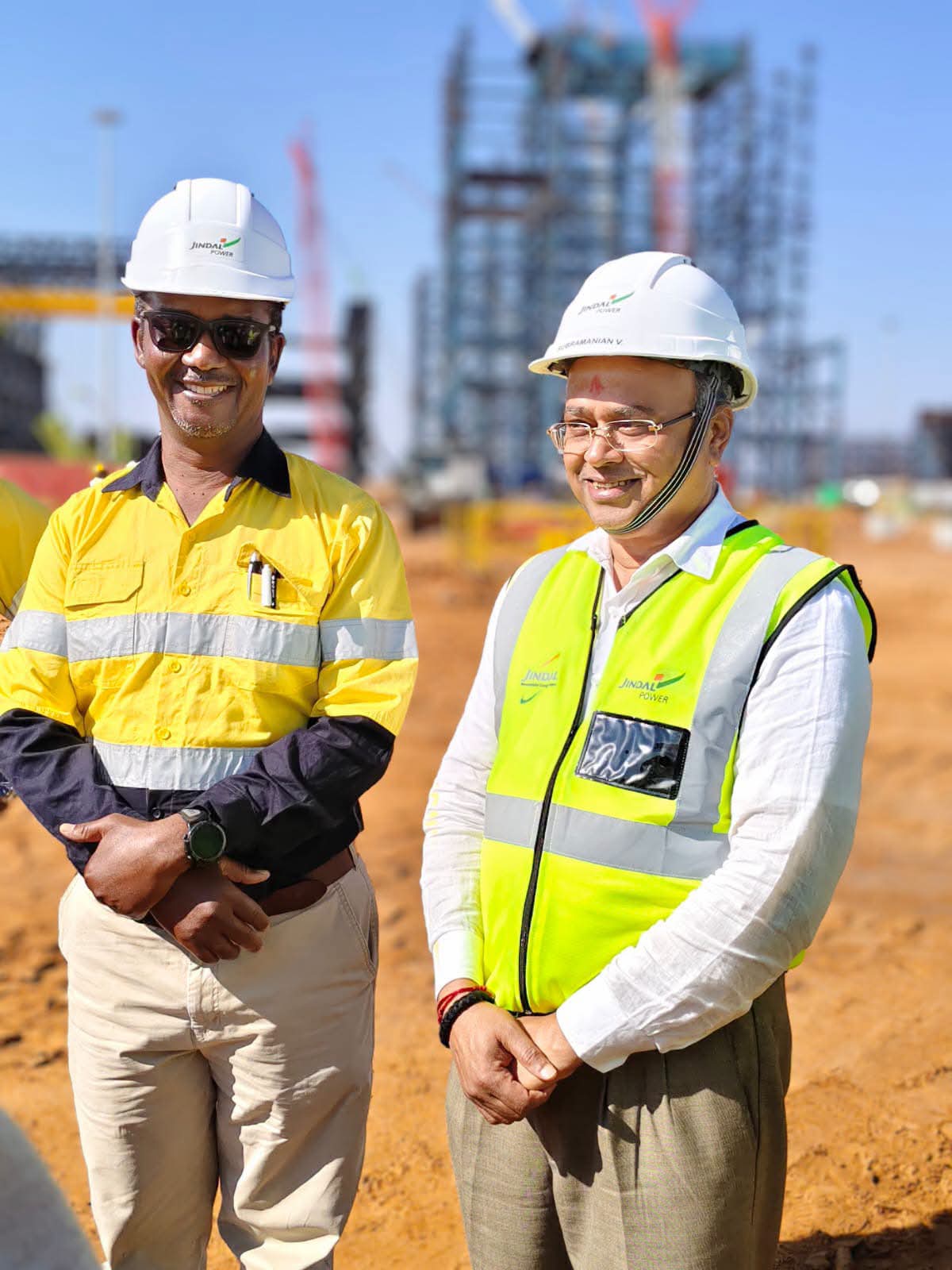
Botswana has taken another significant step towards strengthening its energy sector following the successful lifting of a massive boiler drum at the Mmamabula 600MW coal-fired thermal power station. Officials from the Ministry of Minerals and Energy witnessed the complex engineering operation yesterday, describing it as a major milestone in the construction of one of the country’s most important energy infrastructure projects. The successful installation represents steady progress towards increasing domestic electricity generation and reducing dependence on imported power. Once completed, the Mmamabula power station is expected to play a vital role in supporting Botswana’s growing energy needs while contributing to regional electricity supply. The achievement demonstrates the country’s continued investment in modern infrastructure aimed at securing long-term energy independence and economic growth.
The operation involved lifting a boiler drum weighing an impressive 183 metric tonnes into its designated position for Unit 1 of the power station. The exercise required exceptional technical expertise, careful planning and strict adherence to engineering and safety standards throughout the entire process. Engineers and construction teams worked with precision as the enormous component was gradually raised to a height of 55 metres before being carefully positioned onto its supporting tie rods. The delicate nature of the operation meant there was little room for error, making every stage of the lift critically important. Successfully completing such a demanding task highlights the advanced engineering capabilities being applied during the construction of the Mmamabula project.
The lifting process itself lasted for almost seven hours, reflecting the careful pace required when handling equipment of such enormous size and weight. Throughout the operation, the boiler drum moved at an average speed of approximately 10 metres per hour to ensure maximum stability and safety. Engineers continuously monitored the balance and alignment of the drum as it was elevated, ensuring that every movement remained under complete control. The slow and deliberate approach reduced the risk of structural stress while allowing technicians to make any necessary adjustments during the lift. The successful completion of this highly technical operation marked one of the most complex construction activities undertaken at the site so far.
The boiler drum is one of the most important components of a coal-fired thermal power station because it plays a central role in electricity generation. Inside the boiler system, water is heated under extremely high pressure to produce steam, which is then directed towards turbines. As the steam drives the turbines, they rotate electrical generators that produce electricity for homes, businesses and industries. Without the boiler drum, the steam generation process cannot function effectively, making its installation a critical milestone in the development of the entire power station. Its successful placement therefore brings the project significantly closer to becoming fully operational.
The Mmamabula 600MW coal-fired thermal power station forms part of Botswana’s broader strategy to strengthen national energy security and expand electricity production. For many years, the country has relied on a combination of domestic generation and imported electricity to meet growing demand. Increasing local generation capacity will improve energy reliability while reducing exposure to regional supply shortages and external market pressures. A larger domestic power supply will also support industrial expansion, attract investment and strengthen economic development across multiple sectors. The project represents one of Botswana’s most ambitious efforts to secure its long-term energy future.
Beyond meeting domestic demand, the Mmamabula project is expected to position Botswana as an important energy supplier within the Southern African region. Government has consistently expressed its ambition to transform the country into a regional energy hub capable of exporting surplus electricity to neighbouring countries. Achieving this objective would strengthen regional energy cooperation while creating new economic opportunities through electricity exports. Reliable energy infrastructure is also essential for attracting manufacturing, mining and other energy-intensive industries that depend on stable power supplies. The continued progress of the project therefore has implications that extend well beyond Botswana’s borders.
The successful lifting of the boiler drum also reflects the dedication and coordination of engineers, technicians, construction workers and project managers involved in delivering the power station. Large-scale infrastructure projects require thousands of carefully coordinated tasks, with each milestone building upon previous achievements. Completing complex engineering operations safely and efficiently demonstrates the professionalism and technical expertise supporting the development of the facility. Every completed phase moves the project closer to commissioning and eventual electricity generation. The achievement serves as an encouraging sign that construction continues to advance according to key project objectives.
As construction progresses, the Mmamabula 600MW coal-fired thermal power station continues to symbolise Botswana’s determination to strengthen its energy sector and secure greater self-sufficiency in electricity generation. The successful installation of the 183 metric tonne boiler drum represents far more than an engineering accomplishment, as it marks another important step towards delivering reliable power for the nation. Once operational, the facility is expected to support economic growth, improve energy security and enhance Botswana’s position within the Southern African energy market. The project reflects the country’s long-term commitment to investing in strategic infrastructure that supports national development. With each construction milestone successfully completed, Botswana moves closer to fulfilling its vision of becoming both energy self-sufficient and a recognised regional energy hub.