The earliest years of a child’s life shape learning, behaviour and long term development. Early diagnosis and timely intervention play a critical role in identifying developmental challenges and supporting children with appropriate care. When delays or neurodevelopmental conditions are identified early, families and professionals can respond with targeted support that improves outcomes. This approach helps children access learning environments that match their needs and abilities. It also reduces long term barriers that can affect education, communication and social development. Inclusive systems built around early support create stronger foundations for lifelong participation in society.
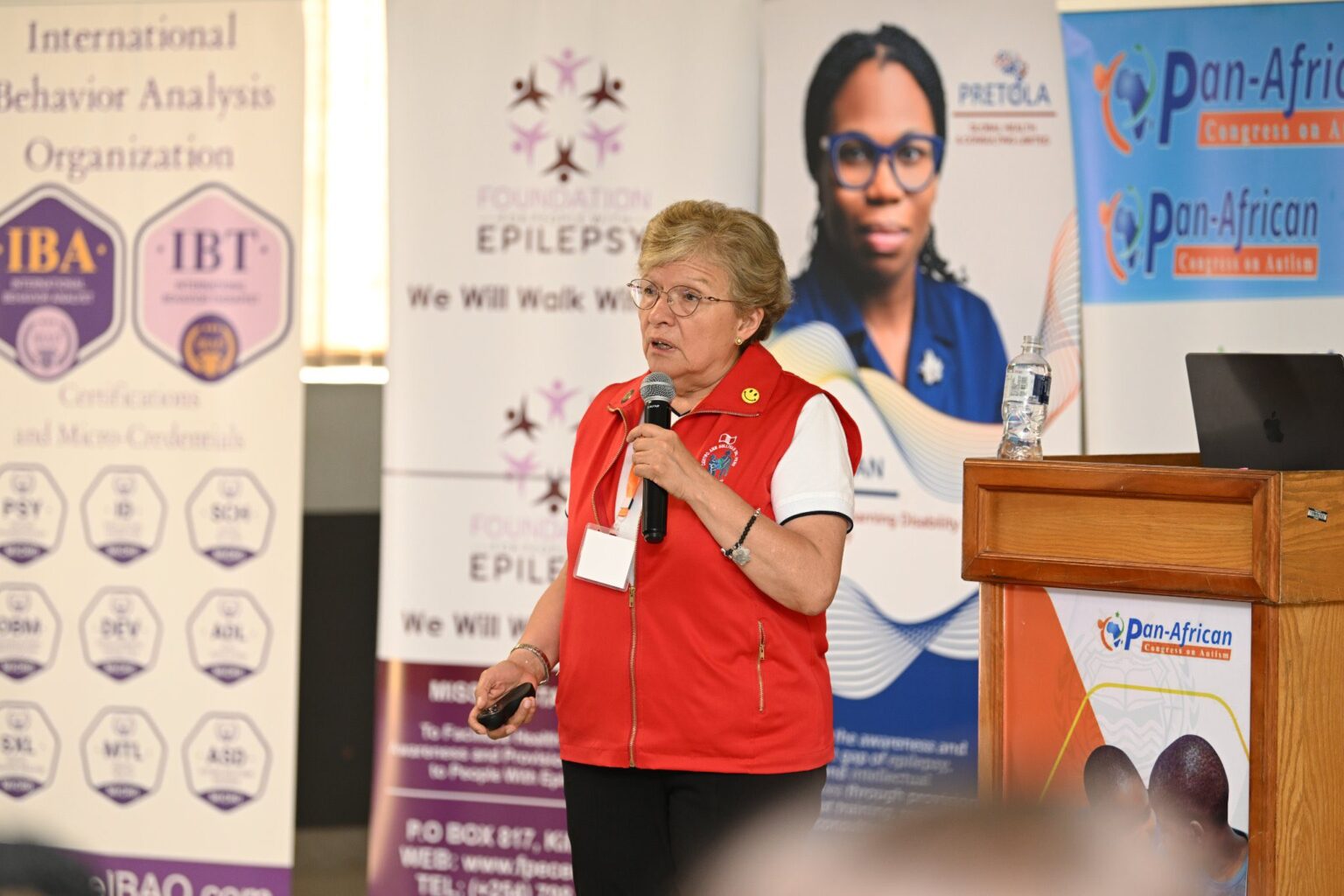
To gain deeper insight into autism and other intellectual disabilities, an office delegation participated at the Pan African Congress on Autism 2026. The conference brought together practitioners, researchers, educators, caregivers and advocacy groups from across the continent. The discussions focused on neurodevelopmental disorders and the need for coordinated responses that improve diagnosis, care and inclusion. Participants shared research findings, practical strategies and lived experiences that highlighted gaps in current systems. The exchange of ideas strengthened understanding of how different countries are addressing autism and related conditions. It also reinforced the importance of collaboration in building effective support structures.
Through the MPEPU programme, disability inclusion has been prioritised as a key focus area aimed at improving the lives of children. The programme supports efforts to strengthen early intervention systems and expand access to services for families. It also promotes awareness around developmental disabilities so that communities can better understand and support affected individuals. By focusing on disability, the programme aims to reduce stigma and improve access to education, healthcare and social services. This approach places children at the centre of development planning and ensures that their needs are not overlooked. It also supports caregivers who often carry the responsibility of long term care and guidance.
Participation in the conference marked a renewed commitment to advocating for transformative policies and inclusive systems. The focus includes improving affordability of care, expanding access to services and strengthening support for caregivers and service providers. There is also emphasis on building systems that respond quickly to developmental concerns through early screening and intervention. Strengthening partnerships with stakeholders remains essential in achieving these goals across communities and institutions. Awareness campaigns and education initiatives are key tools in changing public understanding of neurodevelopmental conditions. These efforts aim to ensure that support systems are practical, accessible and sustainable.
The long term vision is to build a society where inclusion is the standard and not the exception. This includes creating environments where individuals are not defined only by diagnosis but are recognised for their abilities and potential. Early intervention remains a central pillar in achieving this goal because it shapes outcomes during the most important stages of development. Continued collaboration, policy development and community engagement will drive meaningful change in how disability is understood and supported. With consistent effort, systems can become more responsive and equitable for all children. The focus remains on ensuring that every child is seen, heard and given the opportunity to thrive.