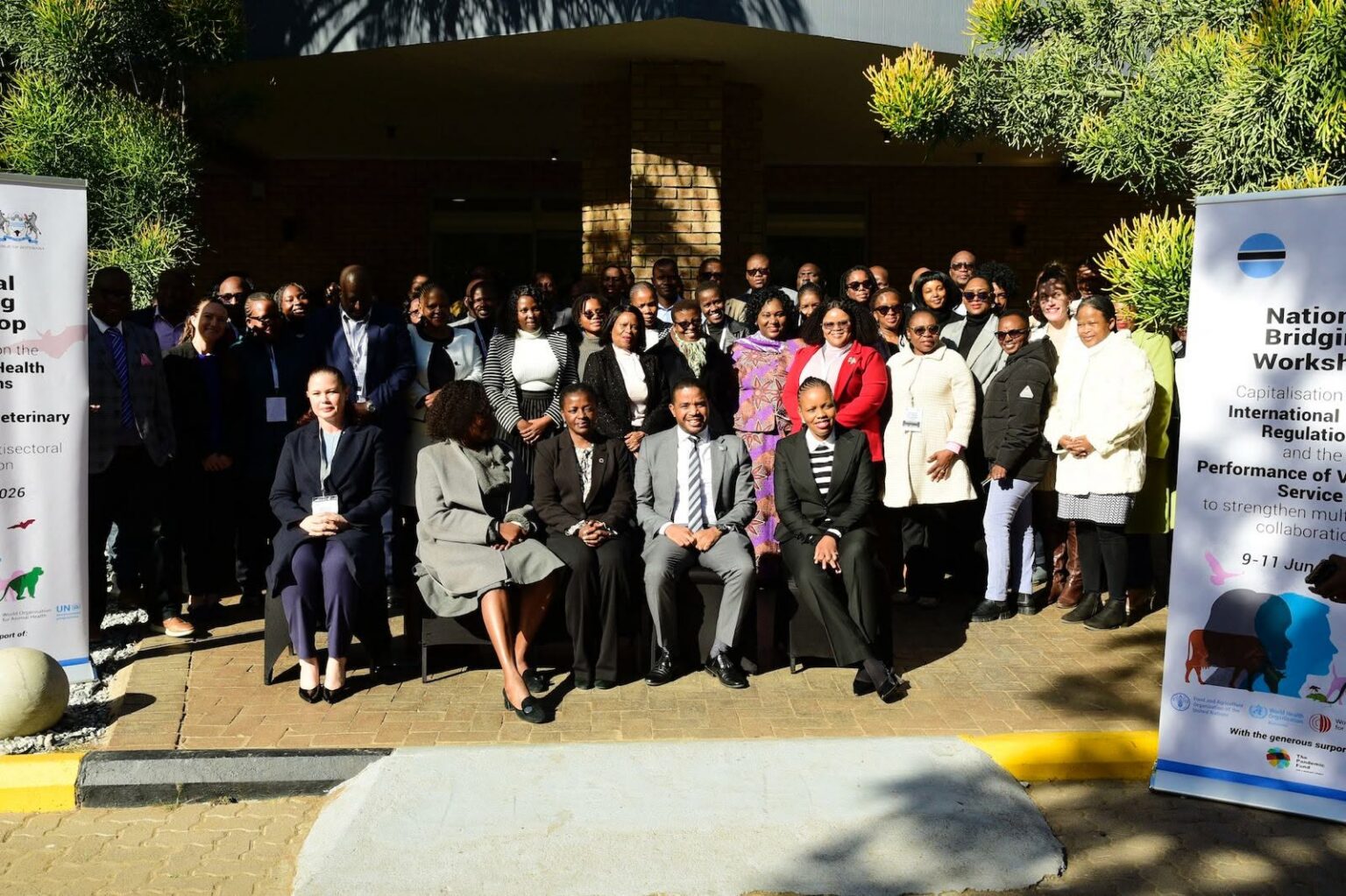
Botswana is advancing its coordinated approach to health governance through a three-day One Health workshop hosted this week by the Botswana Public Health Institute Botswana Public Health Institute under the Ministry of Health Ministry of Health Botswana. The workshop focuses on building stronger collaboration across human, animal and environmental health sectors through a unified framework. It also introduces and strengthens the use of a sector-specific capacity assessment tool designed to improve national readiness and coordination. The initiative comes at a time when countries are under pressure to respond faster to health threats that cross sector boundaries. It reflects Botswana’s push to build systems that do not operate in isolation but work together to prevent and manage disease risks.
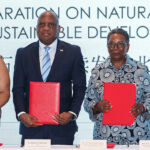
During the opening of the workshop, Acting Secretary for Primary Health Care Dr Bobby Kgosiemang reaffirmed government commitment to fully operationalise the One Health approach. He stressed that Botswana has already laid a strong policy foundation through its participation in the Libreville Declaration on Health and Environment signed in 2008. This declaration connects human health outcomes directly with environmental management and ecosystem protection. Dr Kgosiemang highlighted that this alignment remains central to Botswana’s public health strategy. He added that government continues to strengthen coordination across key sectors to ensure that One Health principles are applied in practice and not only in policy documents.
A major point raised during the workshop is Botswana’s renewed national commitment to the One Health agenda at the highest level in September 2025. This commitment prioritises urgent global health risks such as antimicrobial resistance, zoonotic disease surveillance and biosafety strengthening. The approach is being driven through coordinated leadership among four key ministries, which include the Ministry of Health Ministry of Health Botswana, Ministry of Lands and Agriculture, Ministry of Local Government and Traditional Affairs Botswana, and Ministry of Environment and Tourism. These institutions are expected to work more closely to share data, align strategies and respond faster to emerging health threats. The focus is on building a system where early detection and rapid response become standard practice across all sectors.
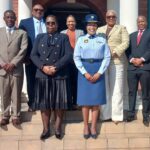
The workshop has brought together a wide range of participants from government departments and international technical partners. These include the World Health Organization Botswana World Health Organization Botswana, the Food and Agriculture Organization of the United Nations Food and Agriculture Organization of the United Nations, the World Organisation for Animal Health World Organisation for Animal Health and the United Nations Environment Programme United Nations Environment Programme. This quadripartite partnership plays a central role in supporting One Health implementation globally. Their involvement ensures that Botswana benefits from technical expertise, international best practice and coordinated global frameworks. The collaboration also strengthens knowledge exchange between national and international stakeholders working in health, agriculture and environmental management.
Discussions during the sessions focus on how to improve capacity assessment tools that help identify gaps in surveillance, response systems and intersectoral coordination. Participants are examining how data sharing between human health, veterinary and environmental sectors can be improved to support faster decision making. The workshop also explores practical steps for strengthening laboratory systems, outbreak preparedness and workforce development. Emphasis is placed on building resilient systems that can detect risks early before they escalate into public health emergencies. The training sessions are designed to ensure that all participating sectors understand their roles within the One Health framework.
Botswana’s One Health implementation strategy is increasingly viewed as a critical pillar for long term public health security. The integration of environmental monitoring, animal health surveillance and human health systems is expected to improve the country’s ability to manage both existing and emerging diseases. It also supports broader development goals by linking health outcomes with environmental protection and food security. The workshop provides a structured platform for aligning national priorities with global standards and scientific guidance. It reinforces the idea that health security depends on cooperation across multiple disciplines rather than isolated interventions.
The One Health workshop in Botswana represents a key step in strengthening institutional coordination and improving national preparedness against complex health challenges. With support from international partners and strong government leadership, the country is working to ensure that its health systems are adaptive and evidence driven. The involvement of major global organisations highlights the importance of shared responsibility in addressing health risks that affect humans, animals and the environment simultaneously. As the workshop continues, its outcomes are expected to shape future policy direction and improve operational efficiency across sectors. Botswana’s commitment to the One Health approach signals a long term investment in resilience, prevention and sustainable health system development.