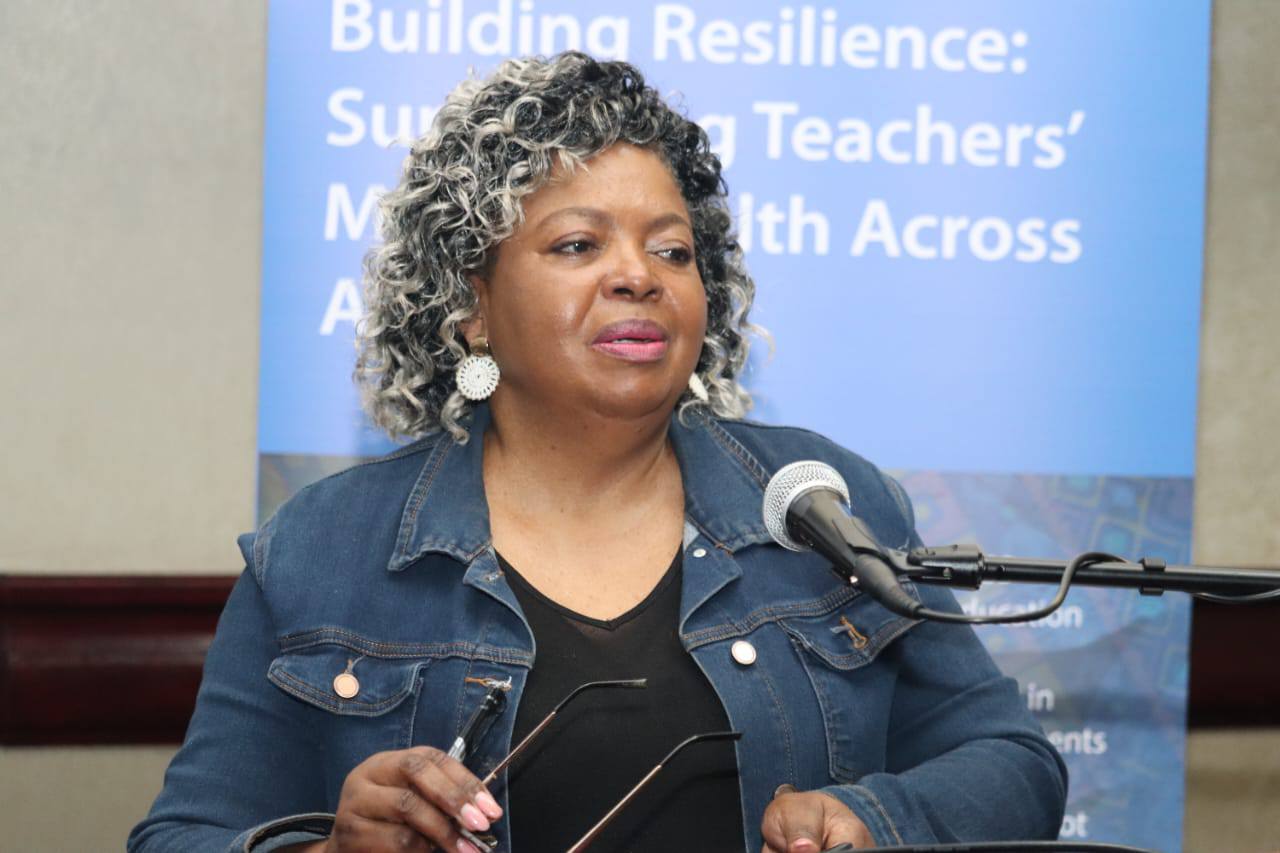
Mental health support in education systems has become a growing priority across Africa, and Botswana is now placing stronger focus on building structured psychosocial care within schools. The Permanent Secretary in the Ministry of Child Welfare and Basic Education, Ms Mmamiki Kamanakao, has emphasized the urgent need to move beyond discussions and take practical steps that improve learner wellbeing. Her message reflects a wider concern about the emotional, psychological and social challenges facing students in modern school environments. Speaking at a Mental Health and Psychosocial Support workshop held at Avani Hotel, she called for long-term solutions that are fully integrated into education systems. Her remarks highlighted that sustainable change requires action, not theory, especially in environments that directly affect children’s development.
During her address, Ms Kamanakao stressed that many valuable initiatives introduced in the past had not been sustained, despite showing positive impact on learners and teachers. She pointed out that programmes such as psychosocial support structures and learner engagement platforms were often discontinued before they could reach full potential. This interruption has created gaps in support systems that schools continue to struggle with today. She urged educators, administrators and stakeholders to ensure that new knowledge gained from training sessions is applied rather than stored away without implementation. Her message was clear that mental health strategies must be embedded into everyday school operations to make a lasting difference.
A key focus of her vision is the establishment of multidisciplinary care and support centres for children across the education system. These centres would bring together professionals such as psychologists, social workers, counsellors, school nurses and speech therapists under one coordinated structure. The goal is to create a more holistic support system where learners can access different forms of care without barriers or delays. This approach is intended to ensure that emotional, behavioural and developmental challenges are addressed early and effectively. By integrating services, the education system can better respond to the diverse needs of learners.
Ms Kamanakao also highlighted the critical role of guidance and counselling teachers within schools. These educators often serve as the first point of contact when learners experience emotional distress, behavioural issues or personal challenges. She emphasized the need to strengthen their capacity through training, resources and professional support systems. Their role is central to identifying learners who need further intervention and ensuring they are connected to appropriate services. By empowering these teachers, schools can build stronger early detection systems for mental health concerns.
Collaboration between government ministries was also identified as a key factor in strengthening psychosocial support systems. The Ministry of Child Welfare and Basic Education, the Ministry of Health and the Ministry of Local Government and Traditional Affairs are expected to work more closely to ensure coordinated service delivery. This partnership approach is designed to reduce fragmentation and improve access to care for learners across different regions. Ms Kamanakao also encouraged the development of formal recognition systems for teachers who complete mental health training programmes. Such recognition could include licensing credits and professional development incentives, which would encourage more educators to participate in mental health capacity-building initiatives.
The broader vision outlined during the workshop reflects a shift toward a more integrated and responsive education system in Botswana. Mental health is increasingly being recognized as a core part of learner success, not an optional support service. Schools are being encouraged to adopt systems that prioritize emotional wellbeing alongside academic achievement. By investing in trained professionals, structured support centres and cross-sector collaboration, Botswana aims to build a stronger foundation for student development. The approach also acknowledges that teachers need support in managing the emotional demands of their roles.
Ms Kamanakao’s message reinforces the importance of turning policy discussions into real action that directly benefits learners and educators. Her emphasis on sustainability highlights the need for long-term commitment rather than short-term interventions. As schools continue to face complex social and emotional challenges, the integration of mental health services is becoming increasingly essential. With coordinated efforts between ministries and education stakeholders, Botswana has an opportunity to build a more supportive and resilient school system. The continued push for psychosocial support integration signals a commitment to ensuring that every learner has access to the care and guidance needed to succeed academically and personally.