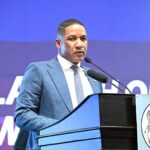
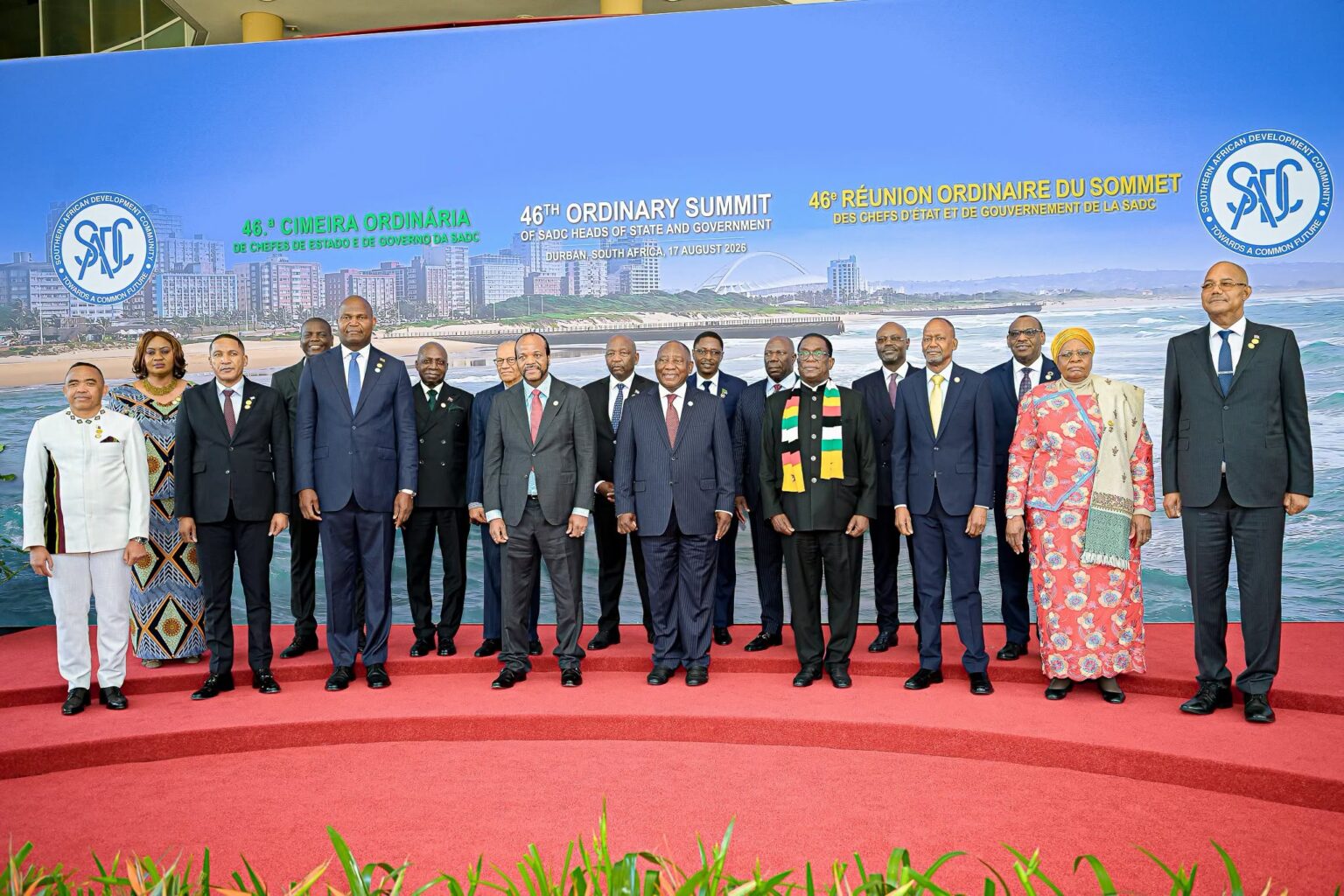
The 46th SADC Summit in Durban, South Africa, brought together regional leaders and stakeholders for constructive discussions aimed at strengthening cooperation and accelerating development across Southern Africa. The Summit provided an important platform for addressing some of the region’s most pressing economic and developmental priorities, including regional integration, industrialisation, infrastructure development, agriculture and critical minerals. Discussions also focused on peace and security, economic integration and the expansion of intra-African trade. The engagements reflected a shared understanding that stronger regional cooperation is essential for building resilient economies and improving opportunities for citizens across the Southern African Development Community. President of Botswana Duma Boko described the Summit as an important step towards turning regional commitments into practical action that can deliver meaningful benefits for people across the region.
Regional industrialisation emerged as a key priority during the 46th SADC Summit, with discussions centred on strengthening the productive capacity of member states and promoting greater economic cooperation. Industrialisation can help Southern African countries reduce their dependence on imported goods while creating opportunities for local businesses, manufacturers and workers. Stronger regional value chains can also allow countries to use their combined resources, skills and markets more effectively. By increasing cooperation between member states, SADC can support the development of industries that serve regional demand while also improving the competitiveness of Southern African products in international markets. The focus on industrialisation therefore forms part of a broader effort to build economies that generate sustainable employment, attract investment and support long-term economic growth.
Infrastructure development was another major area of focus at the Summit, reflecting the importance of reliable transport, energy, water and digital networks to regional economic growth. Efficient infrastructure can make it easier for goods, services and people to move between SADC countries while reducing the costs associated with cross-border trade. Improved regional infrastructure can also help connect producers to markets and support investment in industries that depend on dependable logistics and energy supplies. Infrastructure projects that link countries can strengthen economic integration by creating practical connections between national economies. The Summit’s emphasis on infrastructure development highlighted the need for regional commitments to translate into projects that improve connectivity and support economic activity on the ground.
Agriculture also remained central to discussions about regional development and economic resilience. The agricultural sector supports millions of people across Southern Africa and plays an important role in food production, rural livelihoods and trade. Strengthening agricultural cooperation can help countries respond more effectively to food security challenges while encouraging investment in production, processing, storage and distribution. Greater regional coordination can also create opportunities to develop agricultural value chains that allow farmers and businesses to benefit from markets beyond their own borders. The attention given to agriculture at the Summit reinforced the importance of building a productive and resilient food system that can support communities while contributing to wider regional economic development.
Critical minerals represented another significant opportunity discussed in the context of industrialisation, investment and regional economic development. Southern Africa possesses important mineral resources that are increasingly relevant to global industries, particularly those linked to energy technologies and manufacturing. However, the value of these resources extends beyond extraction because countries can benefit more by developing processing, manufacturing and other stages of the mineral value chain within the region. Greater cooperation on critical minerals could help attract investment while supporting skills development, technology transfer and industrial capacity. The Summit’s attention to this sector therefore reflected the need for SADC countries to maximise the economic value of their natural resources and use them to support broader industrial development.
Economic integration and intra-African trade were also important themes as regional leaders considered ways to strengthen economic links between countries. Expanding trade within Africa can create larger markets for local businesses and provide companies with opportunities to grow beyond their domestic economies. Stronger regional integration can also help reduce unnecessary barriers to trade and encourage greater movement of goods, services and investment. For SADC economies, deeper economic cooperation can support more efficient regional value chains and create new opportunities for entrepreneurs, manufacturers, farmers and service providers. The Summit therefore reinforced the importance of cooperation that allows Southern African economies to work together more effectively within the wider African market.
Alongside the main Summit programme, bilateral engagements with the New Partnership for Africa’s Development and the Arab Bank for Economic Development in Africa created additional opportunities to discuss development and investment partnerships. These engagements highlighted the importance of working with regional and continental institutions to mobilise resources for projects that can support economic transformation. Partnerships with development institutions can provide access to financing, technical expertise and networks that help governments move from policy commitments to implementation. They can also support projects in sectors such as infrastructure, agriculture, energy and industrial development. These discussions added another dimension to the Summit by demonstrating the importance of partnerships in unlocking investment and supporting development priorities across the region.
The signing of a SADC legal instrument during the Summit further demonstrated the region’s commitment to strengthening institutional cooperation. Legal instruments provide a framework through which member states can formalise shared commitments and improve coordination on issues of common interest. Such agreements can help create greater certainty around regional cooperation while supporting the implementation of collective decisions. The significance of the signing therefore extends beyond the document itself because effective regional integration depends on countries following through on agreed commitments. The development of stronger legal and institutional frameworks can help SADC advance its long-term objectives while reinforcing cooperation between member states.
The Summit also provided an opportunity to honour the legacy of the late Oliver Reginald Tambo, whose contribution to the struggle against apartheid remains closely associated with South Africa’s history and the broader liberation movement in the region. Paying tribute to Tambo placed the current discussions within a wider historical context shaped by the sacrifices made for freedom, independence and regional solidarity. Southern African countries share a history in which cooperation played an important role in confronting political oppression and supporting liberation movements. Remembering that history can reinforce the importance of maintaining unity while addressing the economic and social challenges facing the region today. The tribute served as a reminder that regional cooperation has deep historical roots and continues to carry significance beyond economic and political agreements.
President Duma Boko’s message following the Summit placed particular emphasis on the need to move from commitments to implementation. The success of regional initiatives ultimately depends on whether agreements result in infrastructure projects, stronger industries, improved agricultural production, increased trade and better economic opportunities for citizens. Governments and regional institutions must therefore maintain momentum after the Summit and establish clear mechanisms for implementing agreed priorities. Turning ambitious plans into measurable outcomes will require cooperation, investment, effective institutions and continued political commitment from member states. The emphasis on action reflects a practical challenge facing regional integration, which is not simply agreeing on shared goals but ensuring that those goals produce tangible results.
The 46th SADC Summit in Durban consequently highlighted both the opportunities and responsibilities facing Southern Africa as the region seeks stronger economic integration and sustainable development. Its focus on industrialisation, infrastructure, agriculture, critical minerals, trade, investment and peace and security reflects the interconnected nature of the challenges facing member states. Regional cooperation can provide countries with greater economic opportunities, but those opportunities depend on effective implementation and sustained collaboration. The engagements with development institutions and the signing of a SADC legal instrument also demonstrated the importance of strengthening the structures needed to support regional priorities. As President Duma Boko emphasised, the next stage is to turn the commitments made in Durban into practical action that unlocks the potential of SADC economies, creates opportunities for citizens and contributes to building a stronger, more integrated Southern African region.