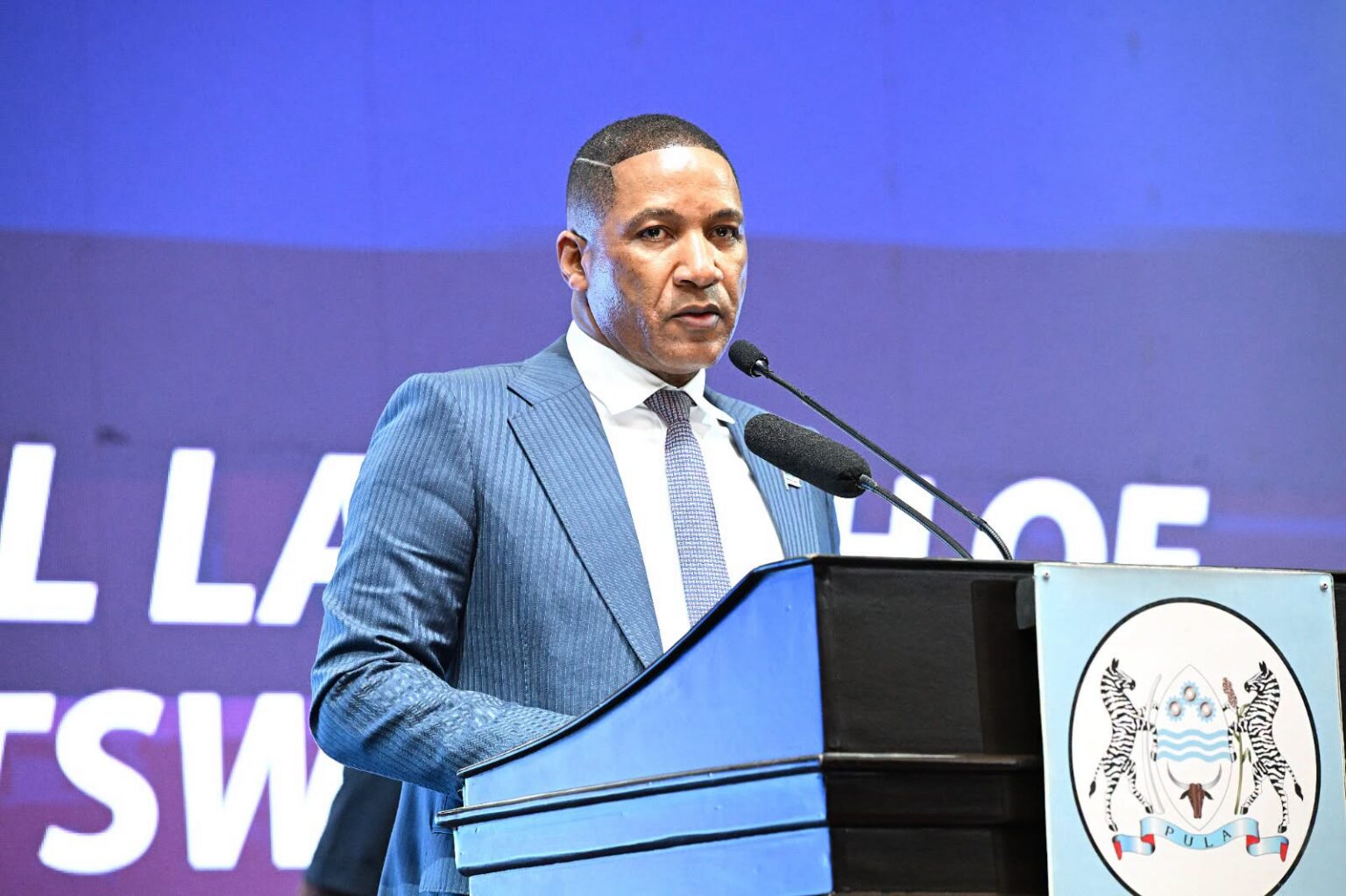
President Advocate Duma Boko has called for urgent national action, increased domestic financing and stronger community participation to eliminate malaria and neglected tropical diseases (NTDs) in Botswana. Speaking at the official launch of the Botswana End Malaria and NTDs Council in Tlokweng, he emphasised that the fight against these diseases requires a united effort involving government institutions, traditional leaders, local authorities, communities and the private sector. He warned that malaria and NTDs continue to threaten public health and the country’s socioeconomic development, despite being preventable and, in many cases, treatable or eliminable through effective interventions. As Chair of the African Leaders Malaria Alliance (ALMA) and Patron of the Council, President Boko called for stronger political leadership and greater national responsibility to protect communities from these diseases. His message highlighted the need for Botswana to strengthen its own resources, improve public participation and maintain consistent efforts to reduce infections and prevent avoidable deaths.
President Boko said malaria and neglected tropical diseases pose a serious threat to Botswana’s progress because they affect people’s health, productivity and quality of life. Malaria can cause severe illness and death, particularly among vulnerable populations, while NTDs can lead to long-term disability, disfigurement and other complications that affect individuals, families and communities. These health challenges can also place pressure on healthcare facilities, increase household expenses and reduce the ability of affected people to work or attend school. The President stressed that these diseases should not be treated as the responsibility of the health sector alone. He called for coordinated national action that brings together different sectors to address the environmental, financial and social factors that influence disease transmission.
One of the major concerns raised by President Boko was the changing nature of the threats facing malaria prevention and control programmes. Climate change can alter rainfall patterns, temperatures and other environmental conditions that influence mosquito breeding and the spread of malaria. In addition, insecticide resistance can reduce the effectiveness of chemicals used to control mosquitoes, while drug resistance can complicate the treatment of malaria infections. The emergence and spread of invasive mosquito species present further challenges because they may adapt to new environments and undermine existing control strategies. President Boko also highlighted declining international donor funding as a concern, warning that Botswana must strengthen domestic financing to sustain essential health interventions and reduce its vulnerability to changes in external financial support.
The President pointed to difficulties in reaching households during indoor residual spraying campaigns as another major obstacle to malaria control. He reported that approximately 1,000 households in the North-West District had refused indoor spraying in early 2026, while another 2,500 households could not be reached. These gaps create challenges for malaria prevention because indoor residual spraying is intended to reduce mosquito populations by treating interior surfaces where mosquitoes may rest. When households refuse the intervention or remain inaccessible, communities may lose an important layer of protection against malaria transmission. President Boko said these challenges required greater urgency, accountability and unity, making it essential for health officials and community leaders to understand the reasons behind non-participation and develop practical ways to improve access and public cooperation.
Community participation was central to the President’s message, particularly his emphasis on Botswana’s traditional Kgotla system of consultation and collective decision-making. He argued that public health campaigns are more likely to succeed when communities understand their purpose, participate in decisions and take ownership of the measures introduced in their areas. His warning that a top-down campaign is bound to fail while a community-owned campaign is likely to succeed reflected the importance of trust and local involvement in disease prevention. Traditional leaders can help explain the benefits of indoor spraying, address concerns about public health interventions and encourage households to cooperate with health workers. Community members can also support sanitation efforts, identify potential mosquito breeding sites and share accurate information about malaria symptoms, prevention and treatment.
The urgency of these interventions was reinforced by figures presented by Assistant Minister of Health Lawrence Ookeditse, who reported a sharp increase in malaria cases and deaths in Botswana. According to his address, the country recorded 290 malaria cases in 2024, compared with 2,451 cases in 2025. Malaria-related deaths also increased from two in 2024 to 16 in 2025, highlighting the growing pressure on disease prevention, diagnosis and treatment services. At the time of his address, Botswana had already recorded 1,478 malaria cases and 12 deaths in 2026. These figures underline the importance of timely diagnosis, access to effective treatment, mosquito control and stronger surveillance to identify outbreaks and respond before infections spread further.
The increase in reported malaria cases also demonstrates why Botswana needs to prepare carefully for its main malaria transmission period. Assistant Minister Ookeditse said the Council would help mobilise multisectoral leadership, financing and community participation ahead of the malaria season, which generally runs from October to May. Effective preparation requires health authorities to strengthen surveillance, ensure that health facilities can diagnose and treat cases promptly and organise prevention campaigns in communities facing elevated risk. Indoor residual spraying, the use of insecticide-treated mosquito nets where appropriate and public education can form part of a coordinated malaria control strategy. Clear communication between health workers, local authorities and residents is also important because early reporting of symptoms and prompt treatment can help reduce the risk of severe illness and death.
The Botswana End Malaria and NTDs Council is expected to play an important role in bringing together the institutions and partners needed to accelerate progress. Its broader purpose is to support coordinated leadership, strengthen domestic resource mobilisation and encourage communities to participate actively in disease elimination efforts. By connecting government priorities with local needs, the Council can help identify gaps in prevention programmes and encourage organisations outside the health sector to contribute. Effective coordination can also improve accountability by helping stakeholders understand their responsibilities and monitor progress towards national health goals. However, the Council’s impact will depend on sustained political commitment, reliable funding, practical implementation and the ability to turn national priorities into measurable improvements in communities.
The call for increased domestic financing reflects a wider concern about the long-term sustainability of malaria and NTD programmes. International assistance has supported public health initiatives in many countries, but changing donor priorities and reduced funding can threaten the continuity of prevention and treatment services. Greater domestic investment can help Botswana maintain essential activities such as disease surveillance, diagnostic services, medicines, indoor spraying and public awareness campaigns. Domestic financing also gives national and local institutions greater responsibility for setting priorities according to the country’s needs. President Boko’s appeal therefore places financial sustainability at the centre of Botswana’s efforts to reduce malaria transmission and strengthen its response to neglected tropical diseases.
World Health Organisation Representative to Botswana Dr Fabian Ndenzako reinforced the need for sustained investment, political commitment and accountability. These priorities are essential because disease elimination requires consistent action over time rather than short-term campaigns that lose momentum when immediate threats appear to decline. Strong political leadership can help secure funding and ensure that malaria and NTD control remain national priorities. Accountability can support better use of resources by requiring institutions to assess whether interventions are reaching the intended populations and producing meaningful results. Continued collaboration with international health partners can also provide technical expertise, surveillance support and guidance on effective prevention strategies while Botswana strengthens its own capacity.
African Leaders Malaria Alliance Executive Secretary Joy Phumaphi highlighted Botswana’s participation in the regional effort to eliminate malaria through the “Zero Malaria Starts with Me” campaign. She said Botswana was the 28th country to adopt the campaign, which promotes shared responsibility and encourages individuals, communities and institutions to contribute to malaria prevention. Phumaphi also reported that End Malaria Councils across Africa had mobilised more than US$245 million in domestic resources and in-kind support. This regional experience demonstrates the potential for coordinated leadership and community engagement to generate resources beyond traditional health budgets. Botswana can draw on these approaches to encourage businesses, civil society organisations, local institutions and individuals to support malaria prevention and other public health priorities.
The involvement of local authorities and traditional leaders will be particularly important in translating the Council’s objectives into action. Minister of Local Government and Traditional Affairs Ketlhalefile Motshegwa pledged support from local authorities, district councils and traditional leaders for indoor spraying, sanitation and community mobilisation. These institutions are well positioned to engage directly with residents, identify barriers to participation and communicate local concerns to health officials. District councils can help coordinate sanitation activities and community awareness initiatives, while traditional leaders can use established community forums to explain prevention measures and encourage cooperation. Their participation can help ensure that national programmes respond to the different circumstances and needs of communities across Botswana.
Sanitation and environmental management also have an important role in reducing mosquito breeding opportunities. Poorly managed standing water can provide breeding sites for mosquitoes, although the specific risks depend on the mosquito species and local environmental conditions. Communities can support prevention by improving waste management, maintaining drainage where appropriate and addressing water accumulation around homes and public spaces. These activities work best when residents receive clear guidance from health authorities and have access to the necessary local services. Combined with indoor spraying, surveillance and timely treatment, community sanitation measures can strengthen Botswana’s broader malaria prevention efforts.
Neglected tropical diseases require similar coordination, although prevention and treatment strategies differ according to the disease involved. NTDs include a range of infectious conditions that disproportionately affect communities with limited access to sanitation, safe water, healthcare and preventive services. Some require regular preventive treatment, while others depend on early diagnosis, treatment, vector control or improvements in living conditions. A successful national response must therefore identify which diseases pose the greatest risks in different areas and ensure that interventions match local needs. Integrating suitable NTD programmes into broader primary healthcare and community outreach services can improve access to care and make better use of available resources.
The road towards eliminating malaria and neglected tropical diseases in Botswana will require more than political statements or the launch of a new council. It will depend on whether institutions can secure sustainable funding, coordinate their work and demonstrate progress through reliable monitoring. Communities must receive clear information and have opportunities to raise concerns, especially when prevention programmes involve entering homes or applying insecticides. Health workers need the equipment, training and supplies required to deliver effective services, while local leaders must have the support necessary to mobilise residents. Regular assessment of malaria cases, deaths, spraying coverage and participation in disease prevention programmes can help identify weaknesses and guide future action.
President Boko’s call for national action places shared responsibility at the centre of Botswana’s fight against malaria and neglected tropical diseases. The sharp rise in malaria cases and deaths reported for 2025, together with the figures recorded during 2026, shows why prevention, early diagnosis and effective treatment remain urgent priorities. The Botswana End Malaria and NTDs Council offers an opportunity to strengthen coordination, increase domestic financing and bring communities closer to the centre of public health planning. Support from the World Health Organisation, ALMA, local authorities and traditional leaders can reinforce these efforts, provided that commitments translate into sustained action and measurable results. Ultimately, Botswana’s progress towards eliminating malaria and controlling neglected tropical diseases will depend on national leadership, consistent investment and the active participation of the people whose health these programmes are designed to protect.