
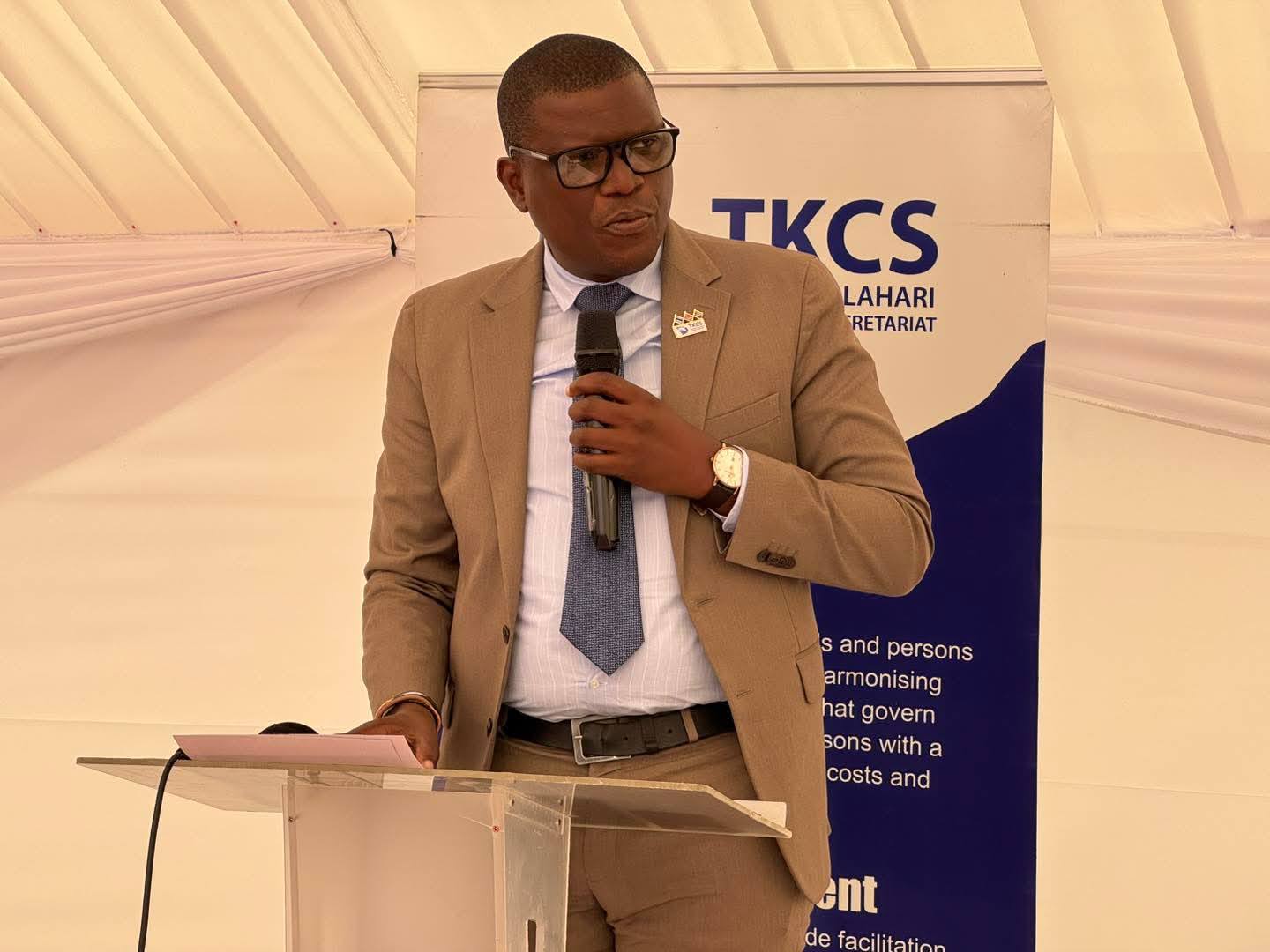
At the recent launch of the 15th Trans Kalahari Corridor Joint Law Enforcement Operation, Botswana’s Minister of Communications and Innovation, Hon. David Tshere, reiterated the government’s unwavering commitment to enhancing communication infrastructure in support of regional trade, safety, and development. The operation, which connects Botswana with Namibia and South Africa through a vital trade route, is part of a broader regional strategy to streamline cross-border cooperation and improve socio-economic outcomes.
“Reliable, accessible communication is essential, not just for business and tourism, but for the everyday safety and connectivity of our people,” Minister Tshere stated during the launch event. His remarks reflect Botswana’s recognition of digital infrastructure as a cornerstone for economic competitiveness and inclusive development.
Central to these efforts is the Universal Access and Service Fund (UASF), a strategic initiative financed through contributions from telecommunications service providers. The fund has been instrumental in bridging connectivity gaps along the Trans Kgalagadi Corridor, a key segment of the regional route. To date, 12 new mobile network sites have been rolled out along the corridor, pushing mobile coverage to an impressive 95%. This expansion is bringing previously underserved areas into the digital fold, enabling communities and businesses to access critical services with greater ease.
Additionally, Botswana has invested in fibre-optic infrastructure that now links major towns and settlements along the corridor. This high-speed broadband network is not only improving internet reliability but also laying the groundwork for smart trade logistics, digital public services, and safer transport operations across borders.
In another major step toward regional integration, roaming charges between Botswana and Namibia were significantly slashed in 2024. The move has made communication between the two countries more affordable and accessible for travellers, traders, and transport operators who rely on seamless mobile connectivity as they move goods and services across borders.
These developments signal Botswana’s broader commitment to leveraging technology for growth and inclusion. By modernising communication infrastructure along strategic trade corridors, the country is positioning itself as a digitally connected gateway for southern Africa. As infrastructure development continues, the government remains focused on ensuring that connectivity drives not just economic activity, but also safety, collaboration, and community upliftment throughout the region.