The National Forensic Audit Report has sparked national concern after revealing that Botswana may have lost an estimated P33 billion through fraud, waste and financial mismanagement over the past decade. The findings cover a wide period of government operations and public spending, raising questions about accountability and oversight in key institutions. The report has placed a spotlight on how public funds were managed between 2014 and 2024. It suggests that systemic weaknesses may have allowed financial irregularities to go undetected for years. The scale of the alleged losses has prompted urgent calls for deeper scrutiny and reform across government systems in Botswana.
The audit covers the financial period from April 2014 to March 2024 and examines a broad range of public sector activities. It focuses on procurement processes, contract management, expenditure controls and oversight mechanisms within government structures in Botswana. The report indicates that weaknesses in internal controls may have created opportunities for misuse of public resources. It also highlights possible gaps in monitoring systems that should have detected irregular transactions earlier. The findings suggest that both administrative failures and possible deliberate misconduct may have contributed to the financial losses.
According to the summary of the report, the estimated loss of P33 billion is linked to fraud, waste and financial mismanagement across multiple sectors. These include public procurement contracts, service delivery projects and state funded programmes. The report raises concerns that some funds may not have been used for their intended purposes. It also suggests that certain financial activities may have bypassed proper approval channels. The scale of the figures has raised serious questions about how public accountability systems functioned during the period under review.
The findings have triggered recommendations for special investigations targeting a network of senior officials and private contractors. The report suggests that coordinated action may be required to uncover the full extent of the alleged irregularities. It calls for stronger investigative mechanisms to determine whether misconduct was systematic or isolated. Authorities are expected to review contracts and financial records linked to high value transactions. The emphasis is on identifying accountability gaps and ensuring that those responsible are held to account through proper legal and administrative processes.
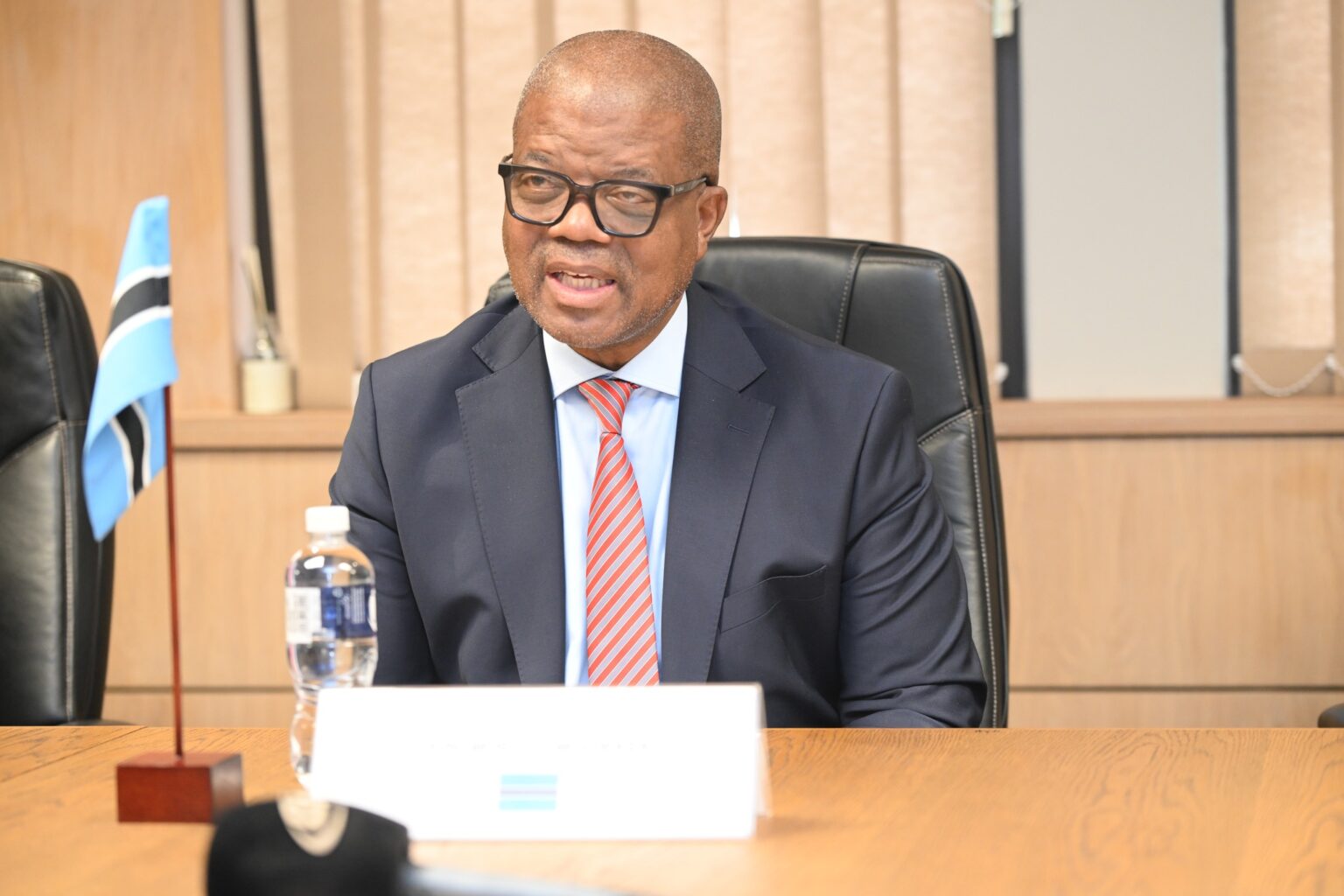
The report was presented by Minister for State President, Defence and Security, Moeti Mohwasa, who outlined its key findings to the public. His presentation marked a significant step in bringing the audit results into the national spotlight. He emphasized the importance of transparency in handling public resources and the need for corrective action. The release of the report signals government acknowledgment of potential long standing financial governance challenges. It also reflects growing pressure to strengthen oversight institutions and improve public sector accountability.
The findings have far reaching implications for governance and public trust in Botswana, a country that has long been regarded as one of Africa’s more stable administrations. The alleged scale of financial mismanagement raises concerns about efficiency in public spending and the protection of state resources. It also highlights the need for stronger systems to prevent misuse of funds at all levels of government. Experts often point out that sustained economic development depends on strong financial controls and transparent institutions. The report therefore places renewed focus on reforming systems that manage public money and ensuring tighter enforcement of regulations.
The National Forensic Audit Report has set the stage for a major national response aimed at addressing possible financial misconduct over the past decade. The call for investigations into senior officials and private contractors signals a serious shift toward accountability. The findings also highlight the importance of rebuilding trust in public financial management systems. As Botswana moves forward, attention will likely focus on implementing reforms that close loopholes and strengthen oversight. The report stands as a critical moment in the country’s governance landscape and underscores the urgency of protecting public resources for national development.