
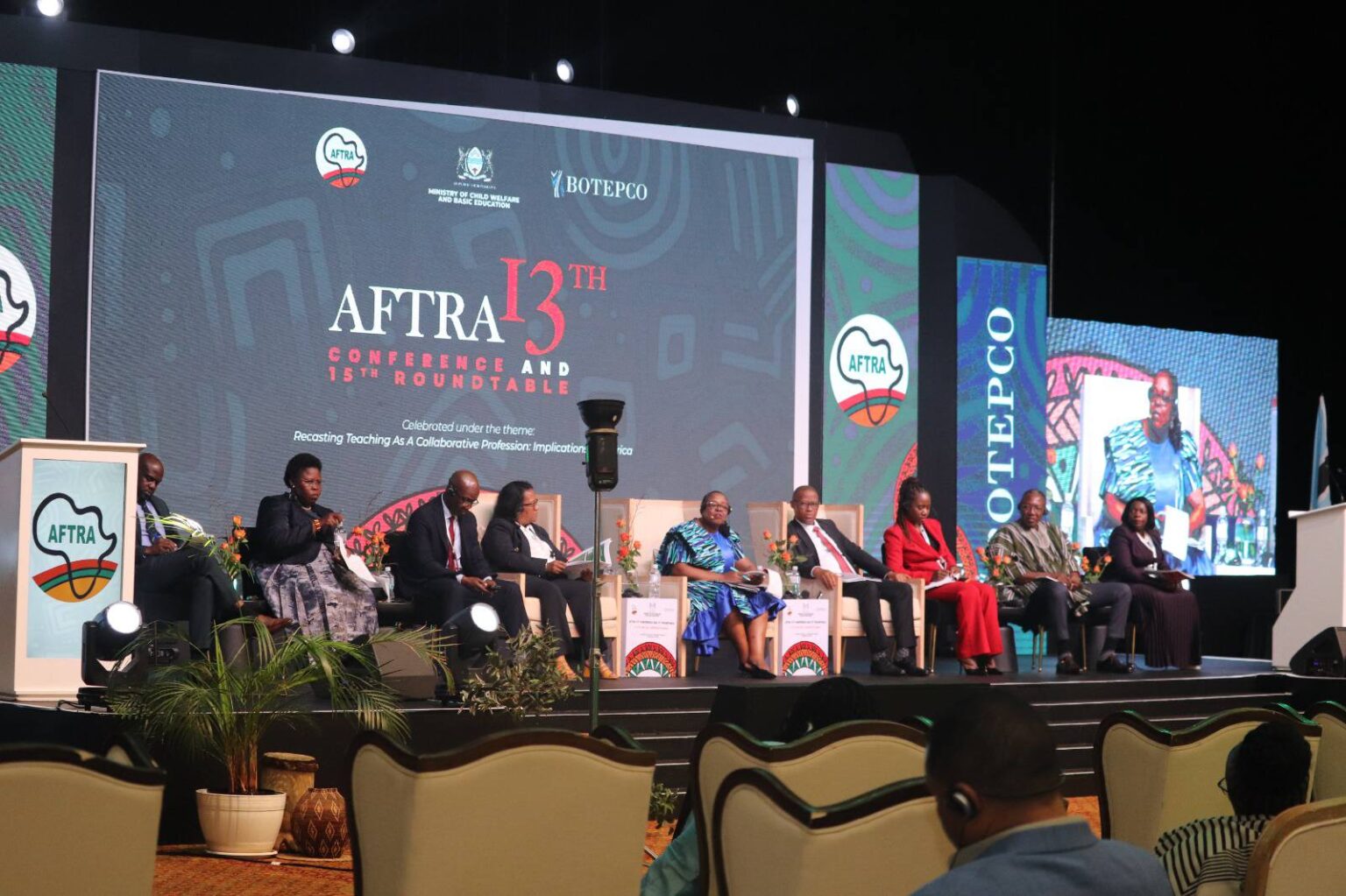
Leaders and policymakers from Botswana, Angola, Lesotho, Madagascar, Zambia, Uganda, Tanzania and Liberia gathered under the Africa Federation of Teaching Regulatory Authorities (AFTRA) for a high level ministerial session focused on strengthening education systems across the continent. The meeting brought together regulatory authorities and education decision makers to discuss the future of teaching professionalism and the role of structured governance in improving learning outcomes. The session highlighted a shared commitment to building stronger frameworks that support teachers as key drivers of national development. Participants engaged in structured dialogue aimed at aligning education policies with continental priorities. The gathering reflected growing recognition that education reform requires coordinated action across African states. It also reinforced the importance of regulatory bodies in maintaining professional standards. The discussions were framed within a broader vision of transforming education systems to meet modern demands.
A central focus of the AFTRA ministerial session was teacher welfare and the development of professional frameworks that support educators throughout their careers. Delegates emphasised the need to improve working conditions, career progression structures and continuous professional development opportunities for teachers. Strong teacher support systems were identified as essential for improving classroom performance and student outcomes. The discussions also highlighted gaps in remuneration, training and retention across several participating countries. Policymakers explored ways to standardise teaching qualifications and strengthen certification processes. There was agreement that teacher professionalism must be treated as a cornerstone of education reform. The session underscored that well supported teachers are essential for building resilient education systems across Africa.
Infrastructure development and digitalisation formed another key pillar of the dialogue. Many countries represented at the session acknowledged ongoing challenges related to classroom infrastructure, access to learning materials and technological resources. Delegates discussed the importance of integrating digital tools into education systems to improve efficiency and access. The conversation included strategies for expanding connectivity in rural and underserved communities. Digital learning platforms and online teacher training systems were identified as critical tools for modern education delivery. Participants also explored investment models that could support large scale infrastructure upgrades. The focus remained on ensuring that digital transformation does not widen inequality but instead improves access for all learners.
Equity, inclusivity and classroom access were also central to the AFTRA discussions. Policymakers stressed the importance of creating education systems that serve all learners regardless of geographic, economic or social background. Special attention was given to learners in marginalised communities who often face barriers to quality education. Delegates discussed inclusive education policies that support learners with disabilities and those in remote regions. Gender equality in education access was also highlighted as a key priority across member states. The session encouraged collaboration to share best practices in inclusive education delivery. Participants agreed that equity must remain a guiding principle in all education reforms. The discussions reflected a shared commitment to reducing disparities in learning opportunities across the continent.
The integration of artificial intelligence into education systems was another major topic of discussion, with strong emphasis placed on maintaining the human aspect of teaching. Delegates explored how AI can support teachers in lesson planning, assessment and personalised learning without replacing human interaction in classrooms. Concerns were raised about ensuring ethical use of technology and protecting the role of teachers in guiding learners. The session highlighted the need for training educators to effectively use digital and AI tools. Policymakers stressed that technology should enhance education rather than dominate it. The concept of maintaining a human centred approach to learning was consistently reinforced. Participants agreed that innovation must be balanced with the preservation of teacher learner relationships.
Science, technology, engineering and mathematics education, commonly known as STEM, was also prioritised during the session. Delegates recognised STEM as a critical driver of economic growth and innovation across Africa. Discussions focused on improving curriculum design, teacher training and student engagement in STEM subjects. Countries shared strategies for increasing participation in science related fields, particularly among girls and underrepresented groups. The importance of continental collaboration in sharing resources and expertise was strongly emphasised. Participants also explored partnerships with industry and higher education institutions to strengthen STEM pathways. The session highlighted STEM as a foundation for future skills development and competitiveness.
In a significant announcement during the ministerial session, it was confirmed that Liberia will host the next AFTRA Conference in 2027. This decision was welcomed by delegates as an opportunity to continue advancing discussions on education reform and regulatory development. Liberia’s role as host is expected to further strengthen its engagement in continental education leadership. The upcoming conference will build on the progress made during the current session and deepen collaboration among member states. It will also provide a platform for reviewing implementation of agreed strategies and sharing new innovations. The announcement reflected confidence in Liberia’s capacity to convene high level education stakeholders. It also reinforced AFTRA’s commitment to rotating leadership opportunities across member countries.
The AFTRA ministerial session represented a significant step forward in strengthening teacher professionalism and education systems across Africa. The participation of multiple countries demonstrated a shared commitment to coordinated reform and long term development goals. Key discussions on teacher welfare, infrastructure, digitalisation, inclusivity, AI integration and STEM education highlighted the complexity of modern education challenges. The emphasis on collaboration and regulatory strengthening showed a unified approach to addressing these challenges. The announcement of Liberia as host for the 2027 conference further reinforced continuity in continental dialogue. The outcomes of the session reflect a growing determination to build education systems that are inclusive, innovative and sustainable for future generations.