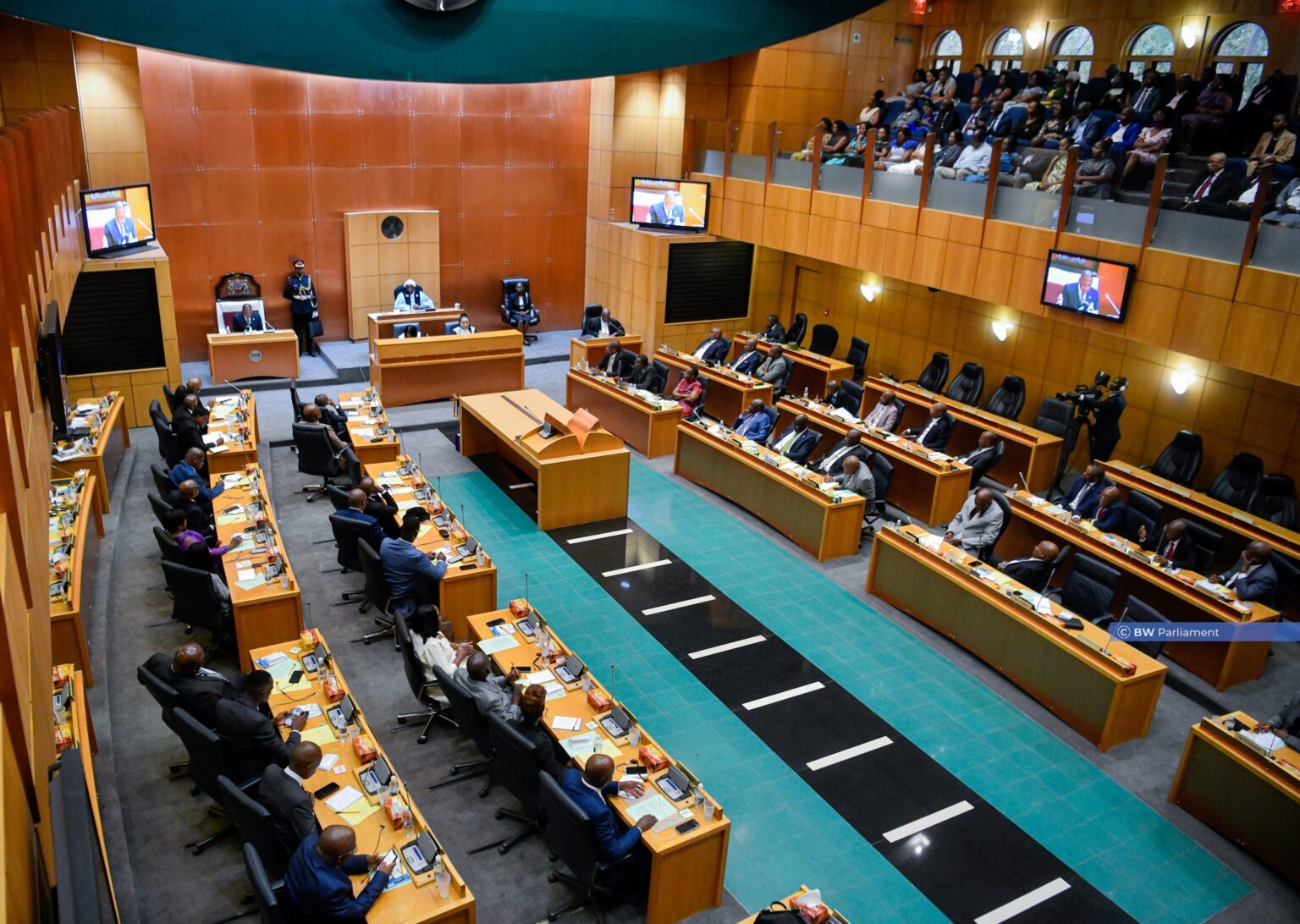
Botswana’s Parliament has recently approved urgent loans amounting to P6.7 billion from the African Development Bank and the OPEC Fund, aimed at bridging a widening budget deficit. While the immediate injection of funds is expected to ease fiscal pressures, this latest borrowing highlights growing unease about the country’s increasing dependence on debt to cover recurrent expenditures amid mounting economic challenges.
As Botswana grapples with tightening revenue streams and rising debt levels, experts and citizens alike are questioning the sustainability of this borrowing strategy. Is the government relying heavily on loans merely to keep essential services running? And if so, what does this mean for the nation’s long-term economic health?
The P6.7 billion loan approval comes at a time when Botswana faces external shocks such as fluctuating commodity prices and slower economic growth. These factors have strained public finances, forcing the government to seek alternative funding sources beyond traditional revenue channels. However, accumulating debt to fund daily operations raises red flags about fiscal discipline and future repayment burdens.
Economists warn that unchecked borrowing could limit fiscal space, increasing vulnerability to external shocks and potentially leading to credit rating downgrades. Such developments may increase borrowing costs and restrict the government’s ability to invest in critical infrastructure and social programs that drive sustainable development.
The debate now centers on exploring viable alternatives to debt-financed recurrent spending. These include broadening the tax base, improving public sector efficiency, and stimulating private sector growth to boost domestic revenue generation. Diversifying Botswana’s economy away from dependence on a narrow range of exports also remains a critical priority.
While loans from reputable institutions like the African Development Bank and the OPEC Fund provide essential short-term relief, Botswana’s economic future hinges on adopting a balanced fiscal approach. Ensuring that debt is used strategically for growth-enhancing investments rather than recurring expenses will be vital to maintaining economic stability and protecting the welfare of future generations.
As Botswana charts its economic path forward, transparent public dialogue and prudent fiscal management will be key to navigating the challenges posed by this borrowing spree and securing a resilient and prosperous future.