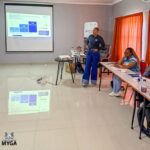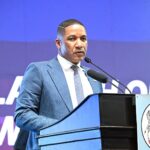

Dr Gabriel G. G. Malebang, the Clerk of the National Assembly of Botswana, has emphasized the critical importance of strengthening the Committee of Clerks/Secretaries General within the SADC Parliamentary Forum (SADC-PF). Speaking at a high-level regional meeting held from July 29 to 30, 2025, in Johannesburg, South Africa, Dr Malebang advocated for greater cooperation and knowledge-sharing among parliamentary administrations to improve the effectiveness of the SADC-PF.
The meeting, fully sponsored by the SADC Parliamentary Forum and its development partners, brought together clerks and secretaries general from member parliaments under the theme, “Ensuring Operational Continuity Post Elections in SADC Member States.” As a statutory organ of the Forum established under Article 10(1)(f) of the SADC-PF Constitution, the Committee of Clerks plays a pivotal advisory role to the Executive Committee on parliamentary matters and meets at least twice a year.
Dr Malebang led one of the sessions during the two-day gathering with a presentation focused on “Possible Models and Modalities of Inter-Parliamentary Cooperation.” In his address, he highlighted the immense value of creating robust channels for exchanging research, data, and best practices among member parliaments. According to Dr Malebang, these collaborative efforts are essential for fostering well-informed decision-making processes and ensuring that the Plenary Assembly’s agenda remains relevant and impactful.
He further stressed that such engagements position the Forum to forge direct ties with other regional and international legislatures through standardized practices, bilateral exchanges, and study visits. These connections, he noted, can significantly enhance the role of parliaments in governance, oversight, and regional integration.
In a forward-looking contribution to the meeting, Dr Malebang shared ongoing efforts by the Parliament of Botswana to institutionalize reform measures aimed at better implementation of SADC-PF resolutions. This includes the development of tracking tools and Standard Operating Procedures (SOPs) designed to assess the execution and real-world impact of resolutions adopted during inter-parliamentary sessions.
He pointed out that some of the common challenges facing parliaments in the region include the absence of formal structures for disseminating adopted resolutions to relevant government ministries and inconsistencies with existing legal frameworks. By introducing practical monitoring mechanisms, Dr Malebang believes parliaments can improve responsiveness, promote accountability, and bridge the gap between inter-parliamentary decisions and domestic implementation.
His remarks reinforced the urgency for continued dialogue and structural improvements within the SADC-PF, ensuring that the region’s parliamentary bodies can operate efficiently and in unison, particularly in the aftermath of national elections.