
Botswana has strengthened its pledge to address global issues such as humanitarian crises, public health concerns, and gender-based violence through continued international cooperation.
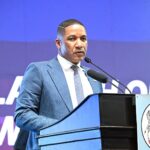
During a courtesy meeting, President Advocate Duma Gideon Boko expressed appreciation for the long-standing partnership with the International Federation of Red Cross (IFRC). He commended the organization’s contributions to youth empowerment, humanitarian aid, and health programs that align with Botswana’s development agenda.
President Boko emphasized the importance of collaboration in capacity building, policy development, and legislative reforms. He singled out gender-based violence as an urgent national challenge requiring immediate and sustained action. “This is a matter we cannot take lightly,” he said, stressing the need for strong partnerships, technical expertise, and shared commitment to achieve lasting solutions.
IFRC Secretary General Jagan Chapagain outlined a three-part strategy to address GBV in Botswana. The first priority is prevention through education in schools and communities, promoting respect and healthy relationships. Women-led organizations and grassroots groups are central to these initiatives.
The second approach targets improved infrastructure in vulnerable areas such as refugee camps and disaster recovery zones. Measures like installing better lighting around homes and along pathways to sanitation facilities can help reduce the risk of violence.
The third focuses on strengthening legal and judicial systems. While prevention is critical, Chapagain noted that not all incidents can be avoided. Effective laws and a responsive justice system are necessary to protect survivors and prosecute offenders.
The visit highlighted the importance of united efforts among government, international agencies, and local communities. Botswana’s commitment to these partnerships reflects its determination to build a safer and healthier future for its people while contributing to broader global solutions.