School libraries are central to promoting academic success and supporting the development of well-rounded learners. This was emphasized by the Deputy Principal of Molepolole College of Education, Ms. Lelentle Mokhupuki, during her opening remarks at the Kweneng Teacher Librarians’ capacity-building workshop. The event, held yesterday, brought together educators and librarians to explore strategies for transforming libraries into modern learning hubs. Organized collaboratively by the American Embassy in Botswana, Botswana International University of Science and Technology, and Kweneng Regional Operations, the workshop focused on the theme, “Reimagining the School Library: From Silent Shelves to Learning Hub.” The discussions highlighted the crucial role libraries play in enhancing literacy, supporting research, and fostering a culture of continuous learning among students.
Ms. Mokhupuki stressed the urgent need to modernize libraries to align with the growing demands of the digital era. She noted that traditional book-based libraries are no longer sufficient for the needs of 21st-century learners. Instead, libraries must evolve into dynamic spaces that combine digital resources, collaborative learning areas, and interactive technologies. Modern libraries can bridge the gap between traditional learning and digital literacy, equipping students with skills essential for academic success and future careers. Her remarks underscored the responsibility of educators and policymakers to prioritize library development as part of a broader strategy for advancing education and fostering a knowledge-based economy.
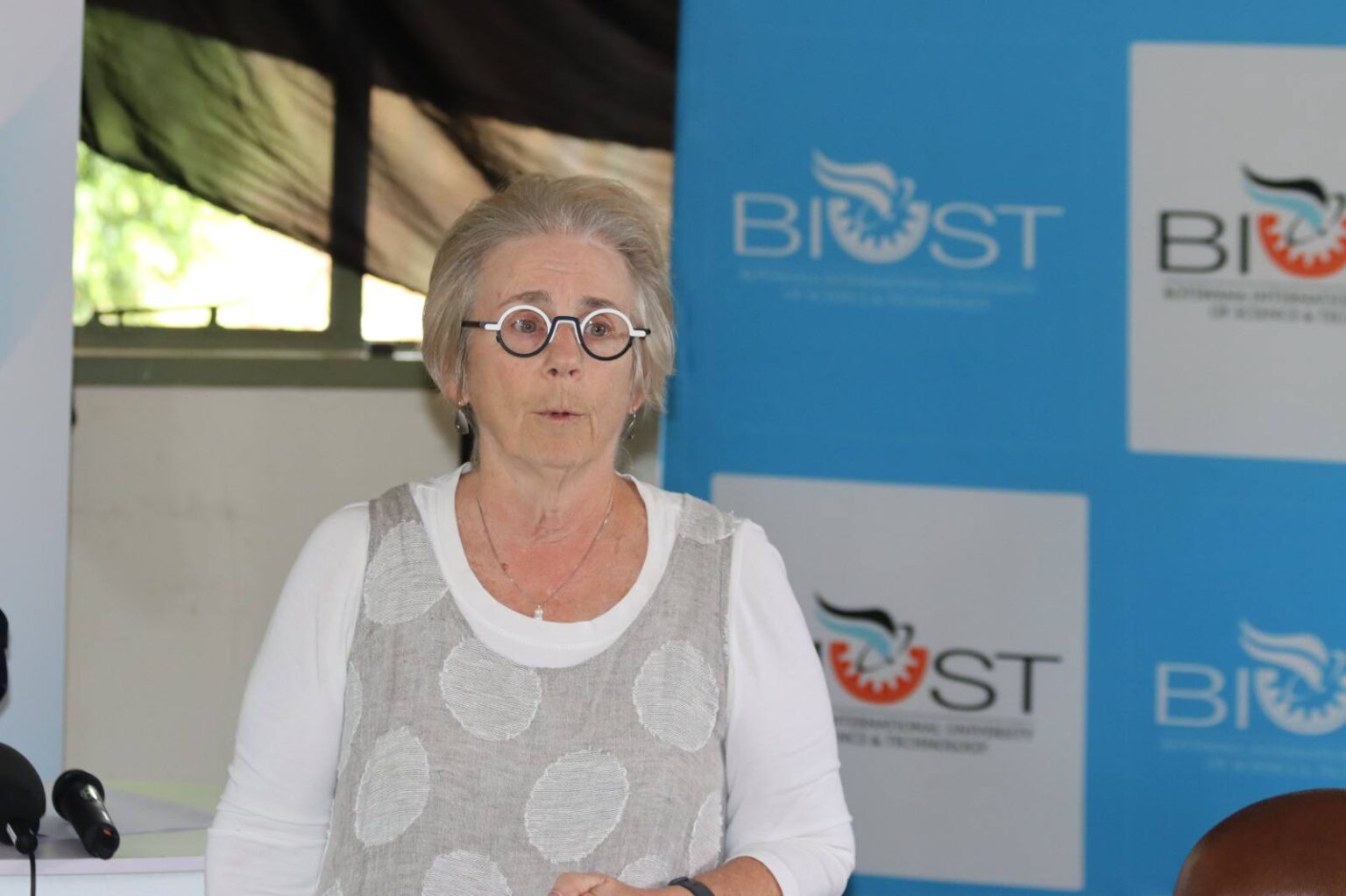
Dr. Ayanda Lebele, Director of Library Services at BIUST, reinforced the importance of collaboration among Kweneng Teacher Librarians to improve regional academic outcomes. She highlighted that skilled librarians are vital for enhancing the effectiveness of library services and ensuring students have access to accurate, relevant, and up-to-date information. Dr. Lebele also emphasized continuous professional development for librarians, noting that ongoing training ensures they can manage digital resources, integrate technology, and provide guidance that supports curriculum objectives. By investing in librarian expertise, schools can maximize the impact of library services on learning outcomes.
The workshop encouraged participants to adopt innovative approaches that transform libraries into learning hubs rather than silent repositories. Discussions included strategies for integrating digital tools, promoting collaborative learning, and creating spaces that inspire curiosity and critical thinking. The event also emphasized the importance of teacher-librarian partnerships in guiding students to become independent researchers and lifelong learners. By fostering a culture of innovation and continuous improvement, school libraries can play a pivotal role in shaping academic excellence and preparing students for the challenges of the modern world.
Overall, the capacity-building workshop highlighted the evolving role of school libraries in Botswana. It underscored that libraries are no longer passive spaces but active contributors to academic achievement and student development. Through modernization, professional development, and collaborative practices, librarians can transform school libraries into vibrant learning hubs. These efforts not only support student success but also contribute to a knowledge-driven society equipped to meet the demands of the 21st century. The initiative demonstrates a commitment to leveraging library resources as a foundation for educational growth and regional academic advancement.