A National Action Plan is a structured government policy document that outlines clear priorities, targeted actions, and defined timelines to address specific national challenges. It serves as a practical roadmap that guides implementation across different sectors and ensures accountability in achieving set goals. In the context of Women, Peace and Security, a National Action Plan plays a critical role in translating global commitments into national action that protects women, strengthens peacebuilding, and promotes inclusive governance. It helps governments coordinate efforts across ministries, civil society, and development partners while ensuring that no group is left behind. The development of such a plan is especially important in ensuring that gender equality and security issues are integrated into national development frameworks. It provides a foundation for measurable progress and long-term institutional change.
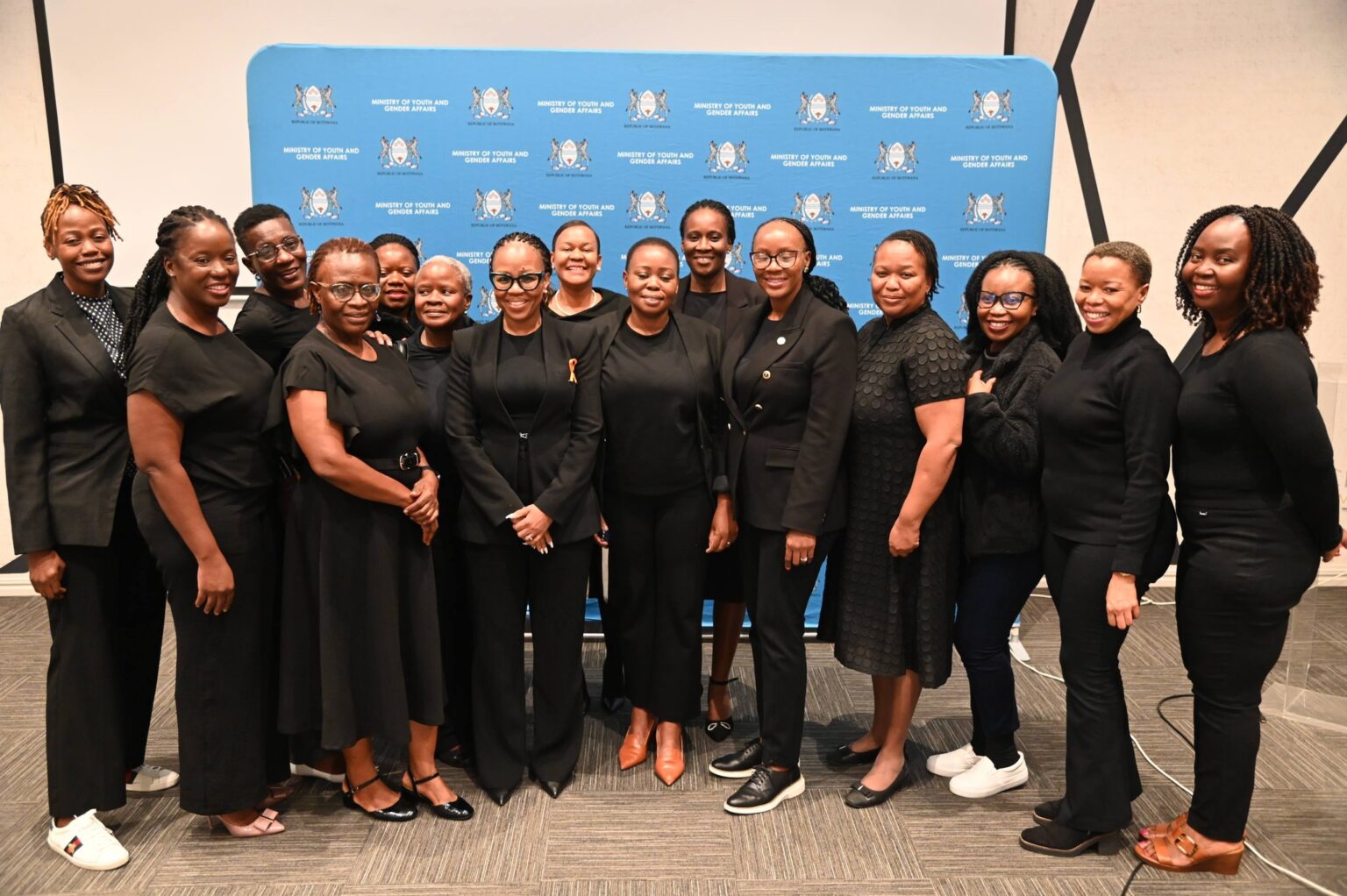
It is against this background that the Ministry of Youth and Gender Affairs, together with its stakeholders, dedicated Day 3 of the ongoing Women, Peace and Security Agenda capacity building workshop to critical discussions on roadmap development and implementation strategies. The workshop brought together delegates from different sectors to strengthen their understanding of how Botswana can effectively design its first National Action Plan on Women, Peace and Security. The sessions were structured to deepen technical knowledge while also encouraging collaboration among stakeholders. Participants engaged in practical discussions aimed at identifying key steps required to move from policy commitment to implementation. The focus was placed on ensuring that the process is inclusive, participatory, and aligned with both national priorities and international frameworks. This approach reflects Botswana’s commitment to strengthening gender equality and peacebuilding systems.
One of the central areas of discussion during the workshop was the identification of opportunities and entry points for Botswana’s first National Action Plan on Women, Peace and Security. Delegates explored how existing national structures and policies can be leveraged to support the development of the plan. They examined gaps in current systems and considered how these can be addressed through a coordinated national framework. The discussions also emphasized the importance of aligning the National Action Plan with ongoing development strategies to ensure sustainability. Participants highlighted the need to integrate gender considerations into all aspects of peace and security planning. This ensures that the final plan is not implemented in isolation but is embedded within broader governance and development systems.
Another key focus of the workshop was the localisation and domestication of the Women, Peace and Security Agenda across both national and local structures. Delegates discussed how global commitments under the WPS framework can be translated into practical actions that are relevant at community level. The importance of involving local authorities, traditional leaders, and grassroots organizations was strongly emphasized. Participants noted that effective implementation depends on how well the agenda is understood and applied at local level. This requires targeted capacity building and continuous engagement with stakeholders across different regions. By strengthening localisation efforts, Botswana aims to ensure that women and girls directly benefit from peace and security initiatives in their communities.
Communication, advocacy, and outreach strategies also formed a significant part of the discussions during the capacity building workshop. Delegates recognized that successful implementation of the National Action Plan will depend on how effectively information is shared with the public and key stakeholders. Clear communication strategies are needed to raise awareness about the Women, Peace and Security Agenda and its importance in national development. Advocacy efforts were identified as essential for mobilizing political will and community support. Outreach activities will also play a key role in ensuring that marginalized groups are included in decision-making processes. Participants emphasized that sustained engagement with stakeholders is necessary to build trust and encourage active participation in implementation processes.
As the capacity building workshop on Women, Peace and Security continues, it provides an important platform for the sharing of knowledge, skills, and experiences among delegates. The sessions are designed to strengthen institutional capacity and prepare stakeholders for the development of Botswana’s National Action Plan. Participants are gaining practical insights into policy development, coordination mechanisms, and implementation frameworks. The workshop also encourages collaboration between government institutions, civil society, and development partners. This multi-stakeholder approach is seen as essential for ensuring that the final National Action Plan is comprehensive and effective. The exchange of expertise during the workshop contributes to building a strong foundation for sustainable peace and gender equality initiatives.
The ongoing process of developing Botswana’s first National Action Plan on Women, Peace and Security reflects a significant step toward strengthening national frameworks for gender equality and inclusive peacebuilding. The discussions held during the workshop demonstrate a clear commitment to ensuring that the plan is both practical and responsive to national needs. By focusing on roadmap development, localisation, and multi-stakeholder engagement, the Ministry of Youth and Gender Affairs is laying the groundwork for a coordinated national response. The emphasis on communication and advocacy further strengthens the potential for successful implementation. As the process continues, the National Action Plan is expected to play a key role in advancing women’s participation in peace and security while contributing to broader national development goals.