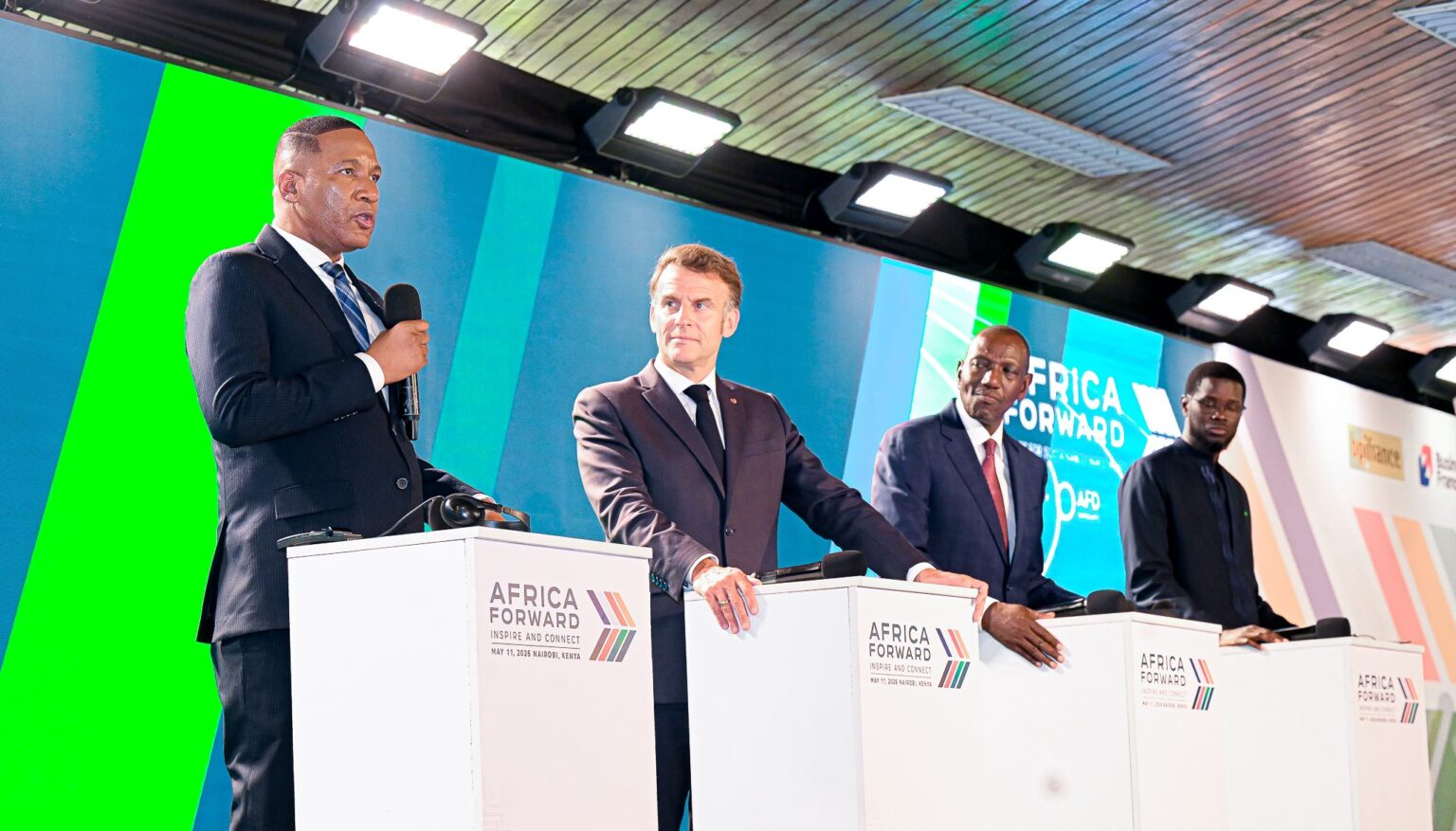
The High-Level Sports Sequence titled “Sport in Africa: A Field of the Future” brought together influential global and continental leaders to reflect on the direction of African sport and its long-term impact on development. The engagement featured the President of the French Republic Emmanuel Macron, the President of Kenya William Ruto, and the President of Senegal Bassirou Diomaye Faye, who all contributed to discussions centered on sport as a tool for transformation. The dialogue highlighted how sport in Africa is no longer viewed only as competition but as a structured pathway for youth development, economic expansion, and international cooperation. Leaders emphasized that the continent holds vast potential that can be unlocked through strategic investment in sporting systems. The conversation also reinforced the idea that Africa is entering a new era where sport becomes a central pillar of national and continental policy planning. This engagement signaled a shift toward long-term thinking about infrastructure, talent development, and global competitiveness. It also positioned Africa as an active contributor to global sports leadership conversations rather than a passive participant.
The discussions within the High-Level Sports Sequence focused heavily on sport as a driver of youth empowerment, job creation, and economic opportunity across African nations. Leaders highlighted that the continent’s young population presents both a responsibility and an opportunity to build sustainable sporting ecosystems. Sport was framed as a practical tool that can reduce unemployment, improve education outcomes, and strengthen social cohesion when properly supported. Investment in facilities, coaching systems, and athlete pathways was identified as a critical requirement for long-term success. The presence of global political figures underscored the growing recognition that sport intersects with diplomacy, trade, and international influence. African nations were encouraged to position sport as a core development strategy rather than a secondary sector. The dialogue also emphasized that success in sport requires collaboration between governments, private sector partners, and international institutions.
For Botswana, the broader message from the engagement aligns closely with its own national development strategy, where sport is treated as a key platform for opportunity, pride, and international visibility. The country has consistently demonstrated ambition in strengthening its athletics structures and hosting major sporting events, reflecting a long-term commitment to excellence. Botswana’s sporting vision connects youth development with national identity, ensuring that sport contributes meaningfully to social and economic progress. The growing continental focus on sport as a development tool reinforces Botswana’s efforts to expand infrastructure and elevate athlete performance standards. It also supports the country’s objective of positioning itself as a reliable host and competitor in global athletics. The emphasis on leadership in sport resonates strongly with Botswana’s ongoing investments in governance and sports administration. This alignment highlights how national strategies can connect with broader continental ambitions to create shared growth.
The High-Level Sports Sequence “Sport in Africa: A Field of the Future” ultimately reinforced a shared understanding that Africa’s sporting future depends on deliberate planning, sustained investment, and unified leadership. The participation of prominent global and African leaders demonstrated the seriousness with which sport is now being treated at the highest levels of governance. It also reflected a growing recognition that Africa’s influence in global sport will continue to rise if supported by strong institutions and clear long-term strategies. The dialogue encouraged nations to view sport as a bridge between economic development, cultural identity, and international engagement. For Africa, the future of sport is no longer just about participation on the global stage but about shaping the systems that define that stage. Botswana’s role within this broader vision remains significant as it continues to develop its sporting landscape with purpose and ambition. The engagement concluded with a clear message that sport will remain a powerful force in shaping Africa’s future trajectory.