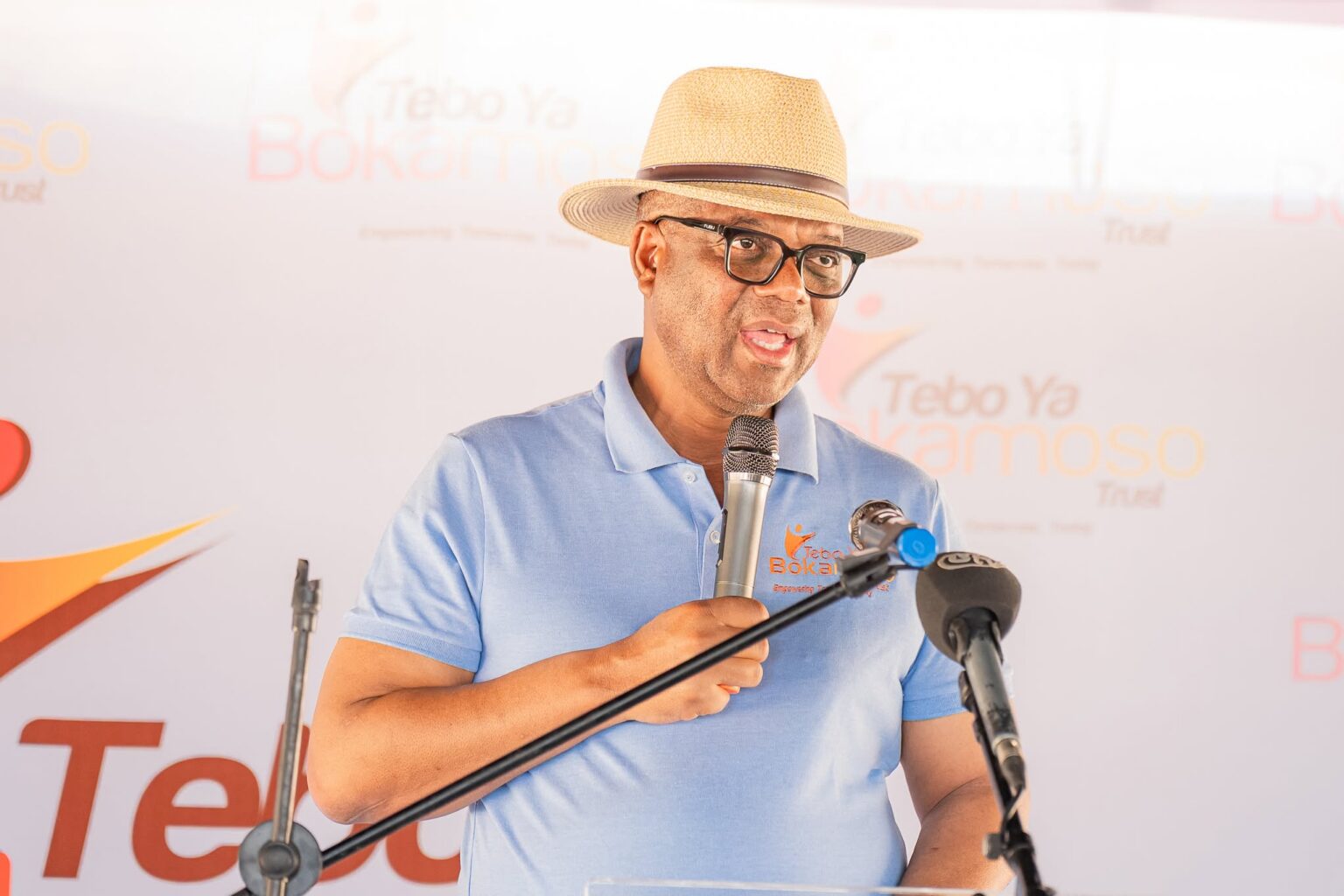
A new education-focused initiative is bringing renewed attention to the importance of safe, modern and inspiring learning environments for children in Botswana. Tebo ya Bokamoso, in partnership with Botswana Bikers and Dulux Botswana, has officially launched the Adopt a Classroom initiative at Thabololo Primary School in Selebi-Phikwe. The programme is focused on rehabilitating and modernising school facilities to create classrooms that better support learning and academic development. The initiative reflects a recognition that education is influenced not only by what happens inside the curriculum but also by the environment in which children learn. By improving school facilities one classroom at a time, the partners hope to contribute to better learning experiences and stronger educational outcomes for pupils.
The Adopt a Classroom initiative is designed to address the physical conditions of school facilities while creating spaces where learners can feel comfortable, motivated and ready to participate. Classrooms are central to the daily school experience, making their condition an important part of the wider learning environment. A well-maintained classroom can provide pupils with a more positive setting in which to concentrate, interact with teachers and engage with their lessons. Improvements to school infrastructure can also help create a greater sense of pride among learners, educators and the surrounding community. Through the rehabilitation and modernisation of facilities at Thabololo Primary School, the initiative aims to demonstrate how targeted investment in classrooms can support the broader goal of improving education.
The launch at Thabololo Primary School in Selebi-Phikwe represents an important step for Tebo ya Bokamoso and its partners. Rather than viewing education support only through the provision of learning materials or financial assistance, the initiative focuses on the physical spaces where education takes place every day. Modernising these spaces can help address some of the practical challenges that schools face while creating environments that encourage pupils to take greater interest in their surroundings. The project also provides an example of how community organisations and private-sector partners can contribute to education development. Its focus on one school creates an opportunity to make visible and practical improvements that learners and teachers can experience directly.
The partnership with Botswana Bikers and Dulux Botswana demonstrates the value of collaboration when implementing community development projects. Projects that aim to improve school facilities often require financial resources, materials, technical support and hands-on involvement. Bringing different organisations together allows each partner to contribute according to its available resources and expertise. The support provided by sponsors can help turn an education vision into a physical project with tangible results for learners. The collaboration behind the Adopt a Classroom initiative shows how organisations can work together towards a shared objective of improving conditions for children.
Tebo ya Bokamoso has expressed deep appreciation to the sponsors who contributed towards making the launch possible. Their generosity and hands-on support form an important part of the initiative because projects involving the rehabilitation and modernisation of school facilities require sustained commitment. Support from sponsors can help schools address improvements that may otherwise take longer to achieve due to competing priorities and limited resources. It also demonstrates the role that businesses, community groups and other organisations can play in supporting public education. The contribution of the project partners therefore extends beyond the physical changes to the school, as it also reinforces the importance of collective responsibility for creating better opportunities for children.
The involvement of Dulux Botswana is particularly relevant to the visual transformation of the school environment, as improvements to classroom spaces can influence how learners experience their surroundings. A refreshed and well-maintained classroom can create a more welcoming atmosphere and give pupils a stronger sense that their learning environment matters. Colours, cleanliness, organisation and general maintenance can all contribute to the appearance and usability of educational spaces. These improvements do not replace quality teaching or effective learning materials, but they can complement them by creating conditions that support engagement. The Adopt a Classroom initiative brings these elements together as part of a wider effort to create vibrant and inspiring spaces for pupils.
The project also highlights the connection between infrastructure and academic performance. While a classroom renovation alone cannot guarantee improved academic results, the condition of a learning environment can influence students’ ability to focus and participate. Schools need functional and welcoming spaces where teachers can deliver lessons effectively and learners can engage with their education. Improvements to classrooms can also help communicate the value placed on education and encourage pupils to take pride in their school. By focusing on the physical environment alongside the educational experience, the initiative takes a broader approach to supporting learners.
Community participation is another important element of projects such as Adopt a Classroom. When local organisations and sponsors contribute to the improvement of a school, they help strengthen the relationship between the school and the wider community. This involvement can encourage greater awareness of the challenges faced by educational institutions and create opportunities for additional support. It can also inspire other organisations and individuals to consider how they can contribute to education in practical ways. The launch at Thabololo Primary School therefore has the potential to encourage a wider conversation about community-led investment in schools across Botswana.
The initiative also carries significance for Selebi-Phikwe, where improving educational environments can contribute to the development of young people in the community. Primary schools provide the foundation for children’s academic development and help shape attitudes towards learning from an early age. Ensuring that pupils have access to safe and suitable classrooms can support their educational journey and provide teachers with better spaces in which to work. Investment in school facilities can also benefit the broader community because children who receive strong educational foundations are better prepared for future opportunities. The Adopt a Classroom project brings this principle into focus by directing attention towards the practical conditions at Thabololo Primary School.
The launch of the Adopt a Classroom initiative also presents an opportunity to encourage further partnerships in education. Botswana has schools across different communities that may benefit from infrastructure improvements, classroom rehabilitation and modern learning environments. Successful projects can demonstrate what can be achieved when organisations combine resources and expertise around a clearly defined educational goal. Continued collaboration between community groups, businesses and other stakeholders could help expand similar initiatives to additional schools. Such efforts can complement government programmes and contribute to a shared national commitment to improving the quality of education.
The Adopt a Classroom initiative at Thabololo Primary School ultimately represents a practical investment in children and their future. Tebo ya Bokamoso, Botswana Bikers and Dulux Botswana have shown how partnership and community support can be used to improve the spaces where children learn every day. The project aims to create classrooms that are safer, more vibrant and more inspiring while supporting an environment that encourages learning and academic development. Its launch also sends a message that improving education is a responsibility that can involve government, communities, businesses and organisations working together. By transforming one classroom at a time, the initiative has the potential to create lasting improvements for learners while inspiring similar efforts to build a stronger educational future for children across Botswana.