
Botswana Parliament has completed a substantial legislative programme during its second parliamentary session, processing more than 35 government bills and seven policies between November 2025 and August 2026. The legislative activity reflects a period of significant government focus on strengthening laws, updating regulatory frameworks and addressing policy priorities across several areas of national development. Among the legislation processed were amendments covering trust property control, financial intelligence, married persons’ property, societies and counter-terrorism. Parliament also considered policies dealing with national health insurance, technical and vocational education and training and migration. The breadth of the legislative programme highlights the role of Parliament in reviewing government proposals and establishing legal and policy frameworks that can respond to changing national priorities.
The bills processed during the session covered a wide range of issues affecting Botswana’s legal, financial, social and security environment. Legislative amendments are often necessary when existing laws need to respond to developments in society, changes in economic activity or emerging risks. By processing more than 35 government bills, Parliament addressed multiple areas that require updated or strengthened legal provisions. The legislative process also provides an opportunity for proposed changes to receive parliamentary consideration before they become part of the country’s legal framework. The volume of legislation handled during the session therefore points to a busy period for lawmakers and government departments involved in preparing and advancing legislation.
Among the recently processed bills was the Trust Property Control Amendment Bill of 2026, which forms part of the legislative framework governing trust property in Botswana. Trusts can play important roles in managing assets, protecting property and structuring financial arrangements, making effective oversight important for the wider financial and legal system. The amendment process provides an opportunity to review existing provisions and ensure that the regulatory framework remains appropriate for current circumstances. Parliament also processed the Proceeds and Instruments of Claim Amendment Bill of 2026, adding another area of focus related to legal and financial controls. Together, these legislative measures demonstrate attention to frameworks that can influence the management, tracing and regulation of assets and financial interests.
The Financial Intelligence Amendment Bill of 2026 was another significant piece of legislation processed during the parliamentary session. Financial intelligence laws are important in supporting efforts to identify and address financial activities that may undermine the integrity of the financial system. Strong regulatory frameworks can assist relevant authorities and institutions in meeting their responsibilities while supporting broader efforts to protect Botswana’s financial sector. The processing of amendments in this area indicates continued attention to the effectiveness of existing financial legislation. It also highlights the importance of keeping laws aligned with evolving financial risks and regulatory requirements.
Parliament also processed the Married Persons’ Property Amendment Bill of 2026, which concerns an area of law with direct implications for married couples and property rights. Laws governing property within marriage can influence how assets and responsibilities are treated during and after a marriage. Reviewing such legislation provides an opportunity to address legal provisions that may require clarification or updating. The inclusion of this bill among the legislation processed during the session shows that the parliamentary agenda extended beyond financial and security matters to issues affecting family and property relationships. Changes in this area can have practical consequences for individuals and families who rely on clear legal rules when managing property.
The Societies Amendment Bill of 2026 was also processed as part of the legislative programme. Societies legislation can affect organisations and groups operating within the country, including the legal and administrative framework under which they function. Reviewing the law governing societies can help ensure that the regulatory environment remains relevant to the needs of organisations and the broader community. Parliament’s consideration of the amendment reflects the need to maintain legislation that supports orderly administration while responding to developments within civil society. The bill forms part of a broader legislative programme aimed at updating different aspects of Botswana’s legal framework.
Security legislation also featured during the session through the processing of the Counter-Terrorism Amendment Bill of 2026. Counter-terrorism laws form part of the national security framework and provide legal mechanisms for addressing terrorism-related threats and activities. Updating such legislation can help ensure that national laws remain responsive to emerging security concerns and changing international standards. The processing of the amendment demonstrates the importance placed on maintaining an effective legal framework for national security. It also places Parliament within the wider process of reviewing how Botswana’s laws can support security while providing clear legal provisions for relevant authorities.
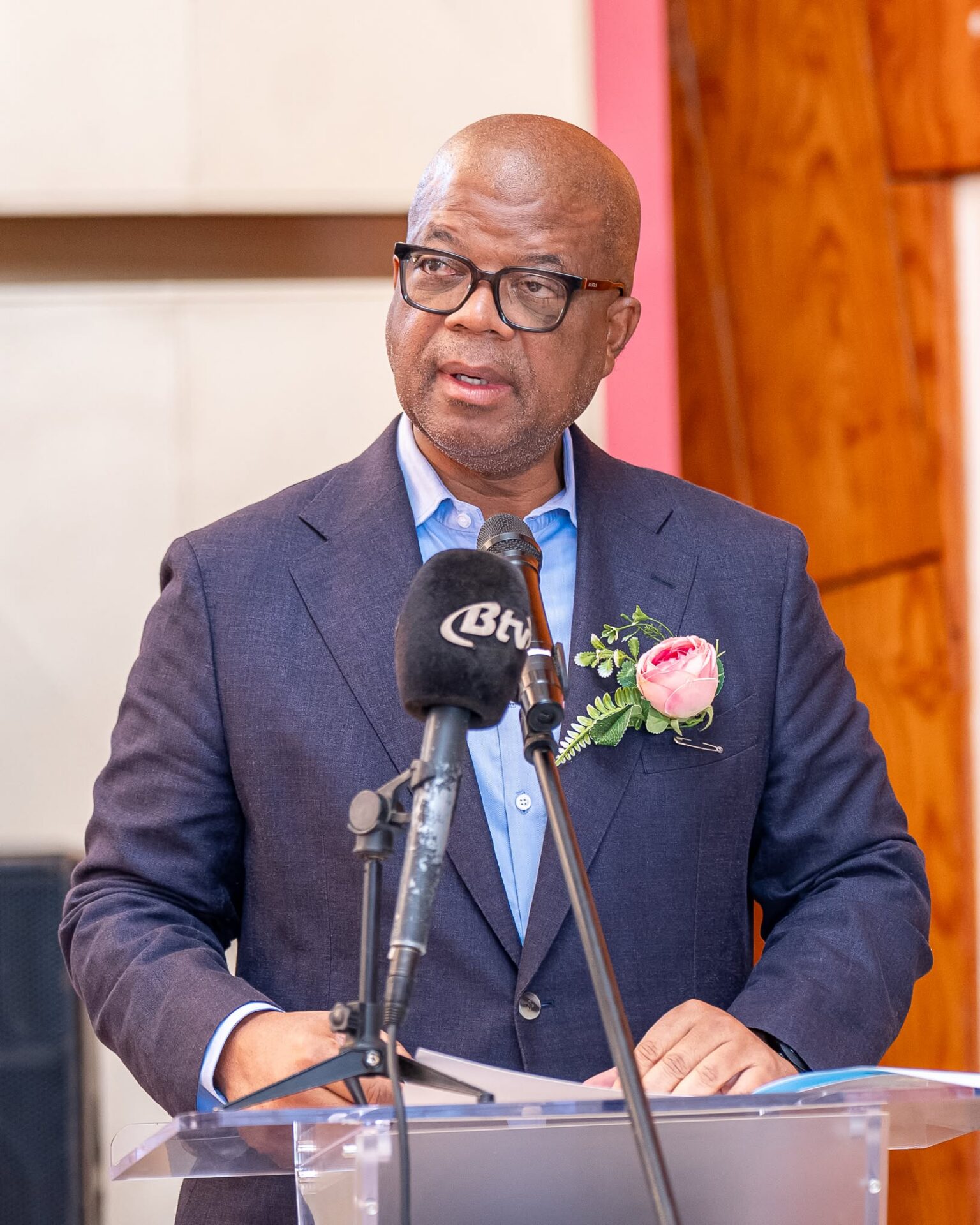
In addition to the bills, Minister for State President, Defence and Security Mr Moeti Mohwasa said Parliament processed three key policies during the session. These were the National Health Insurance Policy, the National Technical and Vocational Education and Training Policy and the National Migration Policy. Each policy addresses a distinct area of national development, covering healthcare, skills development and migration management. Together, they reflect priorities that can influence the delivery of public services, workforce development and the movement of people into and within Botswana. The processing of these policies demonstrates that the parliamentary programme involved both legislative amendments and broader policy considerations.
The National Health Insurance Policy is particularly significant because healthcare financing and access remain important components of national development. A national health insurance framework can provide a basis for considering how healthcare services are financed and how people access necessary medical care. Policy development in this area requires consideration of sustainability, coverage, service delivery and the responsibilities of different stakeholders within the healthcare system. Its processing during the parliamentary session places health financing among the key policy issues considered by lawmakers. The policy could therefore become an important reference point as Botswana continues to assess ways of strengthening healthcare access and financing.
The National Technical and Vocational Education and Training Policy represents another important area of focus because technical and vocational skills can support employment, entrepreneurship and economic development. Technical and vocational education provides practical training that can help learners develop skills relevant to specific occupations and industries. A national policy can help establish a more coordinated approach to skills development while responding to changing labour-market requirements. Its inclusion in the parliamentary programme reflects the importance of developing human capital and preparing people for economic opportunities. Effective technical and vocational training can also support efforts to address skills gaps by connecting education more closely with workplace needs.
The National Migration Policy addresses another area with significant implications for national administration and development. Migration can affect labour markets, public services, border management and national planning, making a clear policy framework important for managing related issues. A national migration policy can provide direction on how government approaches migration while considering economic, social and security factors. Its processing alongside health insurance and technical and vocational education policies demonstrates the wide range of issues addressed during the parliamentary session. These policies require coordination across different government institutions to ensure that their objectives can be translated into practical measures.
The processing of more than 35 bills and seven policies between November 2025 and August 2026 represents a significant period of parliamentary activity for Botswana. The legislation covered financial regulation, property rights, societies and national security, while the policies addressed healthcare, skills development and migration. This combination shows that the government legislative and policy agenda extended across several areas that affect citizens, institutions and the national economy. The next stage will involve translating approved legislative and policy frameworks into effective implementation, where government departments and other stakeholders will have important responsibilities. The success of these measures will ultimately depend not only on their processing in Parliament but also on how effectively they are implemented and monitored.
Botswana’s second parliamentary session from November 2025 to August 2026 has therefore been marked by a broad legislative and policy programme. The processing of more than 35 government bills and seven policies demonstrates sustained parliamentary work across legal, economic, social and security matters. The Trust Property Control Amendment Bill, Financial Intelligence Amendment Bill, Married Persons’ Property Amendment Bill, Societies Amendment Bill and Counter-Terrorism Amendment Bill are among the measures that formed part of this work, alongside key national policies on health insurance, technical and vocational education and migration. These developments provide updated frameworks for addressing several of Botswana’s current priorities and challenges. As implementation moves forward, continued oversight and coordination will be essential to ensure that the laws and policies processed during the session deliver practical benefits for Botswana’s people and support the country’s long-term development.