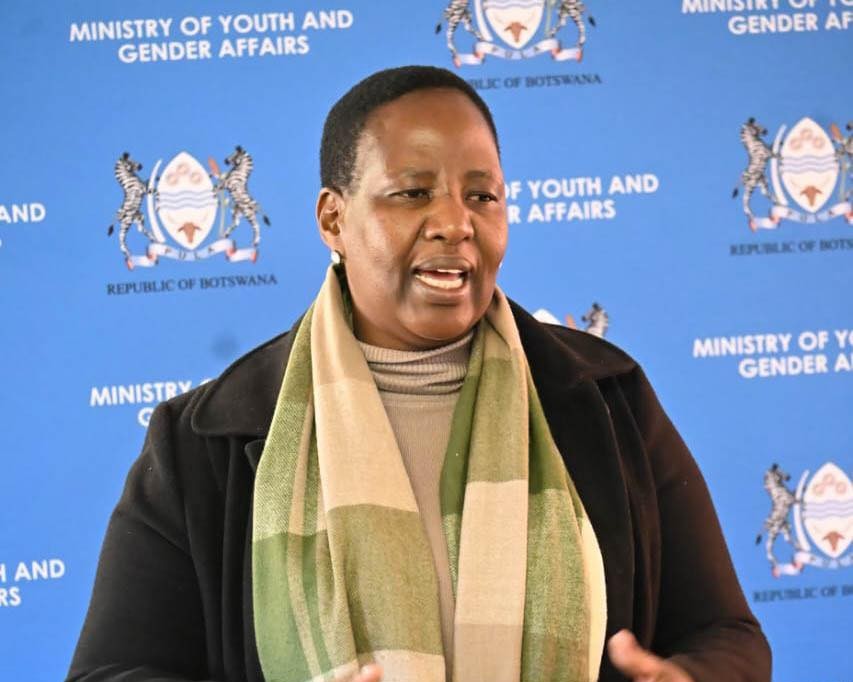
The Gender Affairs Department yesterday morning launched a two day hybrid capacity building workshop for District Gender Committees in the Kanye locality, marking another important step toward strengthening gender mainstreaming and equality initiatives across districts. The workshop brought together stakeholders, government representatives and committee members who play a direct role in shaping district level gender responses and development strategies. The gathering highlighted the growing importance of coordinated efforts to address gender disparities and improve inclusive decision making processes within communities. Participants attended both physically and virtually through the hybrid format, allowing for wider engagement and participation from different regions. The workshop also created a platform for knowledge sharing, collaboration and practical discussions focused on improving the effectiveness of District Gender Committees across the Republic.
During the opening session, EntreprenHER Coordinator Lydia Mafhoko-Ditsa stressed the critical role played by District Gender Committees in advancing gender equality at district level. She explained that these committees are entrusted to act as catalysts in assisting the process of gender mainstreaming within local structures and institutions. According to Ms Mafhoko-Ditsa, the committees hold significant responsibility in ensuring that gender issues are integrated into planning, service delivery and community development activities. She further noted that the success of gender mainstreaming efforts depends heavily on the ability of these committees to remain active, informed and coordinated. Her remarks underscored the need for continuous training and capacity building to ensure committee members are equipped with the necessary skills and understanding to perform their duties effectively.
Ms Mafhoko-Ditsa also outlined several core responsibilities assigned to District Gender Committees, emphasizing the importance of accountability and strategic coordination. She stated that the committees are tasked with monitoring progress toward the achievement of gender targets at district level. This monitoring role allows districts to evaluate whether gender equality goals are being met and where improvements are needed. In addition, the committees are expected to promote gender mainstreaming throughout district structures and facilitate strategic information sharing with other district stakeholders. These responsibilities place District Gender Committees at the center of local gender transformation efforts, making their effectiveness essential for long term social progress and inclusive governance.
Principal Gender Officer at MYGA Otsile Mapeu also addressed participants during the workshop and provided further insight into the role and structure of District Gender Committees. Mr Mapeu explained that the committees function as a multi sectoral platform designed to promote gender equality while ensuring that gender considerations are integrated into district development planning and decision making processes. He highlighted that gender mainstreaming cannot succeed through isolated efforts and requires strong partnerships among government departments, civil society organizations and community stakeholders. According to Mr Mapeu, the workshop provides an opportunity to strengthen collaboration and improve coordination among all parties involved in gender related initiatives. His presentation reinforced the importance of building sustainable networks that can support effective gender responses across districts.
Mr Mapeu further emphasized the need for stronger linkages among stakeholders to ensure the successful attainment of gender mainstreaming and gender parity within the Republic. He pointed out that coordinated stakeholder engagement can improve policy implementation, resource sharing and accountability mechanisms at district level. The workshop discussions also focused on revitalizing committee members and helping them better understand emerging gender challenges affecting communities today. Participants engaged in interactive sessions that encouraged practical problem solving, knowledge exchange and reflection on district specific gender priorities. These engagements are expected to strengthen the capacity of committees to respond more effectively to issues affecting women, youth and vulnerable groups in different communities.
The continuation of the hybrid workshop tomorrow is expected to further energize attendees as they work toward improving district level gender responses and advancing equality initiatives. Capacity building programs such as this one remain important because they equip local structures with the knowledge and tools needed to implement meaningful gender transformation strategies. The Gender Affairs Department’s commitment to empowering District Gender Committees demonstrates the Republic’s ongoing dedication to inclusive development and equal participation in governance processes. As committee members return to their districts with renewed understanding and strengthened partnerships, they are likely to play a more active role in promoting gender sensitive planning and service delivery. The workshop in Kanye therefore represents more than a training session, as it serves as a strategic investment in stronger institutions, collaborative leadership and sustainable gender equality progress throughout the country.