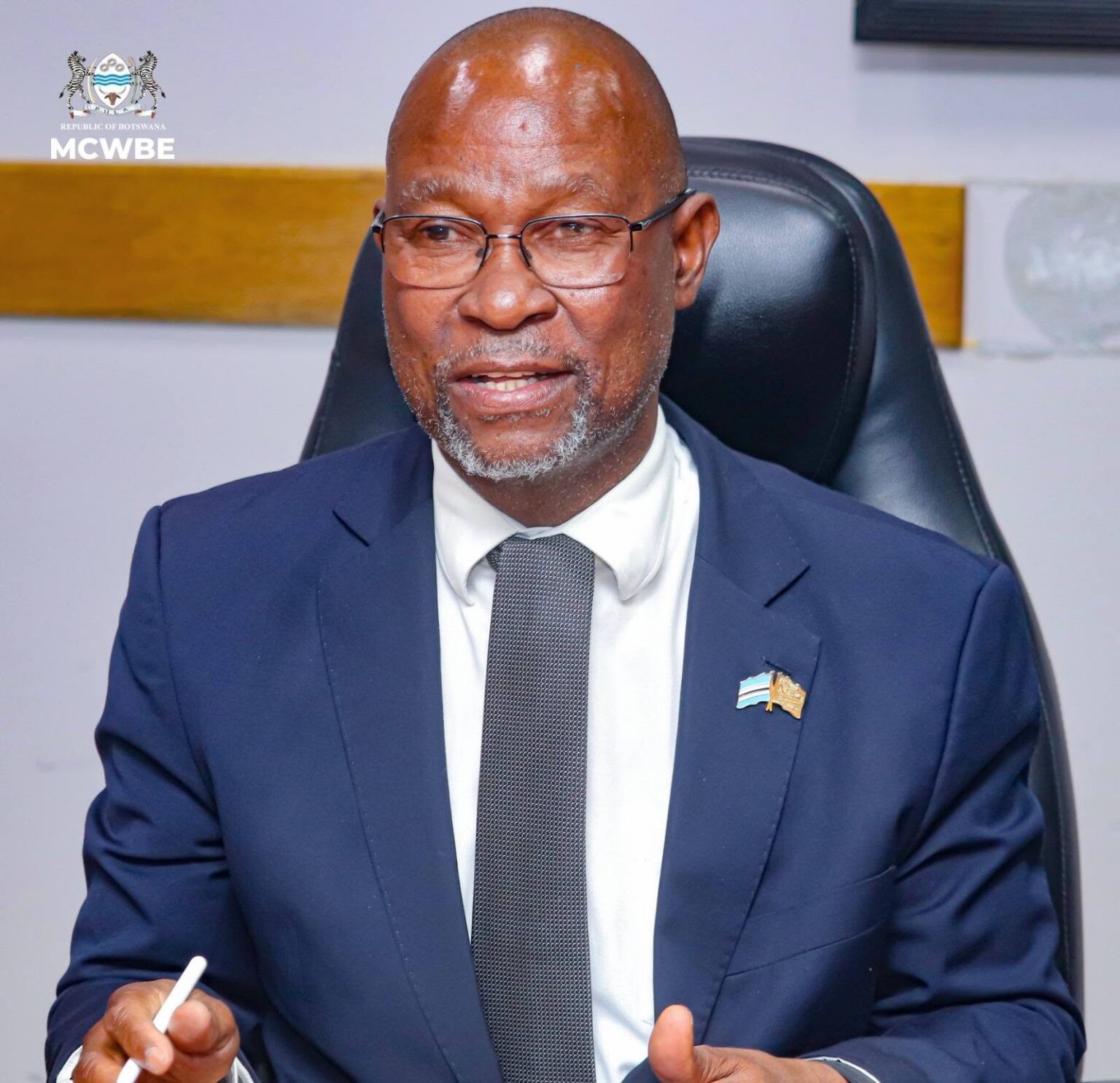
The effort to restore school sports has taken a major step forward after renewed discussions between the Assistant Minister of Child Welfare and Basic Education, Honourable Justin Hunyepa, and teachers union representatives. The talks aim to end a deadlock that has lasted seven years and left many schools without structured sporting activities. School sports play a key role in learner development, shaping discipline, teamwork, and physical wellbeing across all age groups. The government has expressed concern that the prolonged delay has negatively affected student participation and talent development nationwide. Stakeholders now see this moment as a critical opportunity to reset priorities and rebuild a functional school sports system. The meeting signals growing pressure to find practical solutions that can be implemented without further delay.
During the engagement, the Assistant Minister emphasized that government remains fully committed to unlocking progress in the negotiations. He described the moment as a possible turning point that could bring what he called “the break of dawn” for school sports revival. He urged all parties to approach the discussions with honesty and a willingness to compromise so that an agreement can be reached quickly. The government acknowledged that economic challenges continue to place pressure on public programs, but stressed that education and youth development remain essential priorities. Officials indicated that they want implementation to begin as soon as possible once agreements are finalized. The focus of the meeting remained on finding practical steps that can move school sports from discussion into action.
Teachers union representatives presented detailed proposals aimed at resolving the long-standing dispute and restarting sports programs in schools. They stressed that success depends on strong cooperation between government and educators at every level. Union leaders highlighted that teachers must be actively involved and willing participants if the program is to work effectively. A major concern raised during the talks was the issue of official working hours for teachers, which unions say remains unresolved and continues to create tension. They warned that without clear definitions of working time, implementation could face resistance and operational difficulties in schools. The unions also called for broader collaboration involving multiple ministries and strategic partners to ensure that the revived sports system is sustainable and properly supported over time.
The meeting concluded with both sides expressing a shared commitment to restoring school sports and strengthening cooperation going forward. There was agreement that continued dialogue is necessary to address remaining concerns and refine the proposals on the table. Both the government delegation and union representatives emphasized that the interests of learners must remain at the centre of all decisions. The discussions reflected a mutual recognition that prolonged delays have limited opportunities for students across the country. Attention now shifts to how quickly the parties can convert commitments into a workable framework that schools can implement. A successful resolution would mark a significant step toward rebuilding structured sports programs and improving the overall school experience for learners.