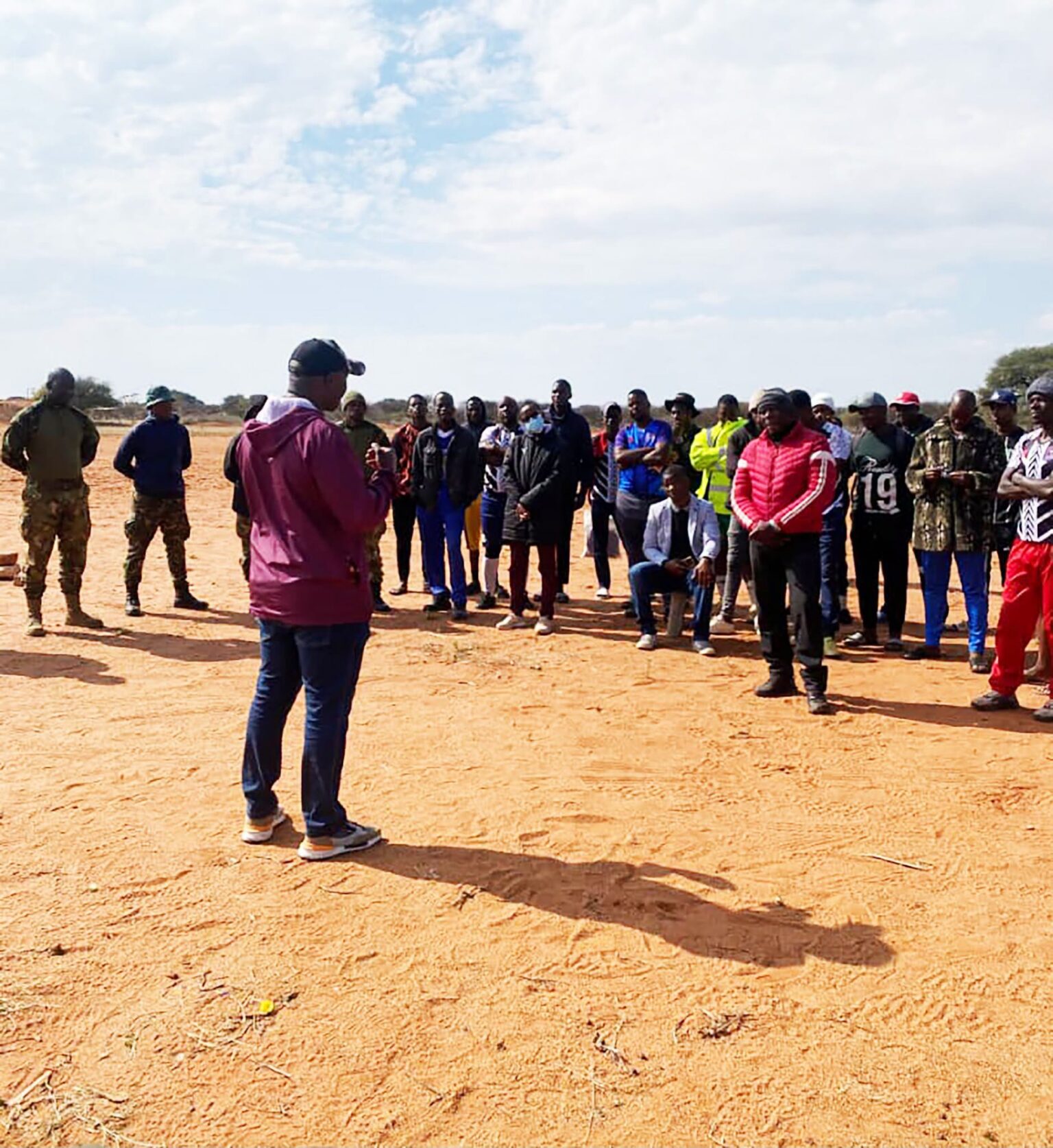
Police services in Ncojane and Charleshill have taken a practical and community-centered approach to strengthening public safety through a football tournament combined with education and awareness programmes. The initiative was organised in collaboration with key stakeholders, including the Ministry of Child Welfare and Basic Education, the Botswana Defence Force, and the Department of Wildlife and National Parks. The main goal was to build stronger relationships between law enforcement and the public while using sport as a unifying platform. The programme also focused on addressing serious social issues that continue to affect communities at grassroots level. By combining recreation with education, the initiative created a space where trust, dialogue and awareness could grow in a natural and accessible way.
The football tournament served as more than just a sporting event, as it became a tool for community engagement and social education. Alongside the matches, stakeholders delivered presentations on road safety, child protection and broader social challenges facing families in the area. These discussions helped community members understand practical steps they can take to improve safety in their daily lives. The Ministry of Child Welfare and Basic Education played a key role in highlighting child protection responsibilities, while other partners contributed expertise on safety and law enforcement. The Botswana Defence Force and the Department of Wildlife and National Parks also reinforced messages around discipline, environmental protection and national safety. This combined approach ensured that the event addressed multiple issues affecting community well-being in a single platform.
A strong focus of the awareness programme was the protection of children and vulnerable groups within society. Presentations covered critical issues such as mental health, gender-based violence, rape, defilement and drug abuse, all of which continue to impact communities across Botswana. Participants were also educated on the provisions of Section 60 of the Children’s Act, which clearly prohibits exposing children to drugs and other harmful substances. This legal education component helped community members better understand their responsibilities under the law and the consequences of neglecting child protection duties. The sessions encouraged open discussion, allowing participants to ask questions and gain clarity on sensitive but important issues. By addressing these topics directly, the programme aimed to strengthen community awareness and reduce the risk of abuse and neglect.
In a separate but related initiative, Kasane International Airport Police partnered with the Civil Aviation Authority Botswana, the Department of Wildlife and National Parks, the Botswana Defence Force and the Botswana Prisons Service to conduct a community outreach and wellness programme. This initiative followed a similar model of combining engagement, education and wellness activities to strengthen relationships between institutions and the public. The programme created a platform for community members to interact directly with law enforcement officers and other stakeholders in a relaxed and open environment. It also focused on improving public understanding of safety regulations and promoting cooperation between different agencies. Through these engagements, the initiative reinforced the importance of coordinated efforts in maintaining security and social stability.
Both initiatives concluded with wellness activities that brought together police officers, stakeholders and community members in physical and recreational exercises. These activities were designed to promote healthy lifestyles, improve physical fitness and support mental well-being among participants. They also created a sense of unity and teamwork between law enforcement and the public, breaking down barriers that can sometimes exist in traditional policing environments. The wellness sessions highlighted the importance of maintaining both physical and mental health as part of a balanced community life. By participating together, officers and community members were able to build stronger personal connections that support long-term trust and cooperation. This approach demonstrated that community policing extends beyond enforcement and includes care for overall well-being.
The outreach programmes also provided an important platform for direct engagement between communities and institutional representatives. Community members were given the opportunity to ask questions, raise concerns and share their experiences on issues affecting their local areas. These interactive sessions helped identify key challenges while also allowing authorities to explain policies and clarify misconceptions. The open dialogue reinforced the idea that effective policing depends on communication, transparency and mutual understanding. It also encouraged communities to take an active role in crime prevention and public safety efforts. Through these discussions, stakeholders were able to gather valuable feedback that can guide future interventions.
The response from the community was overwhelmingly positive, with many participants actively engaging in the activities and discussions throughout the programmes. Residents commended the police and partner institutions for bringing essential services, information and education directly to the people. Many also appreciated the use of sport and wellness activities as a way to encourage participation and strengthen relationships. The initiative was seen as a meaningful step toward improving trust between law enforcement and communities while addressing important social issues in a practical way. It also highlighted the value of collaboration between multiple government departments and security agencies. The success of these programmes reflects a growing commitment to community policing that prioritises engagement, prevention and shared responsibility for safety and development.