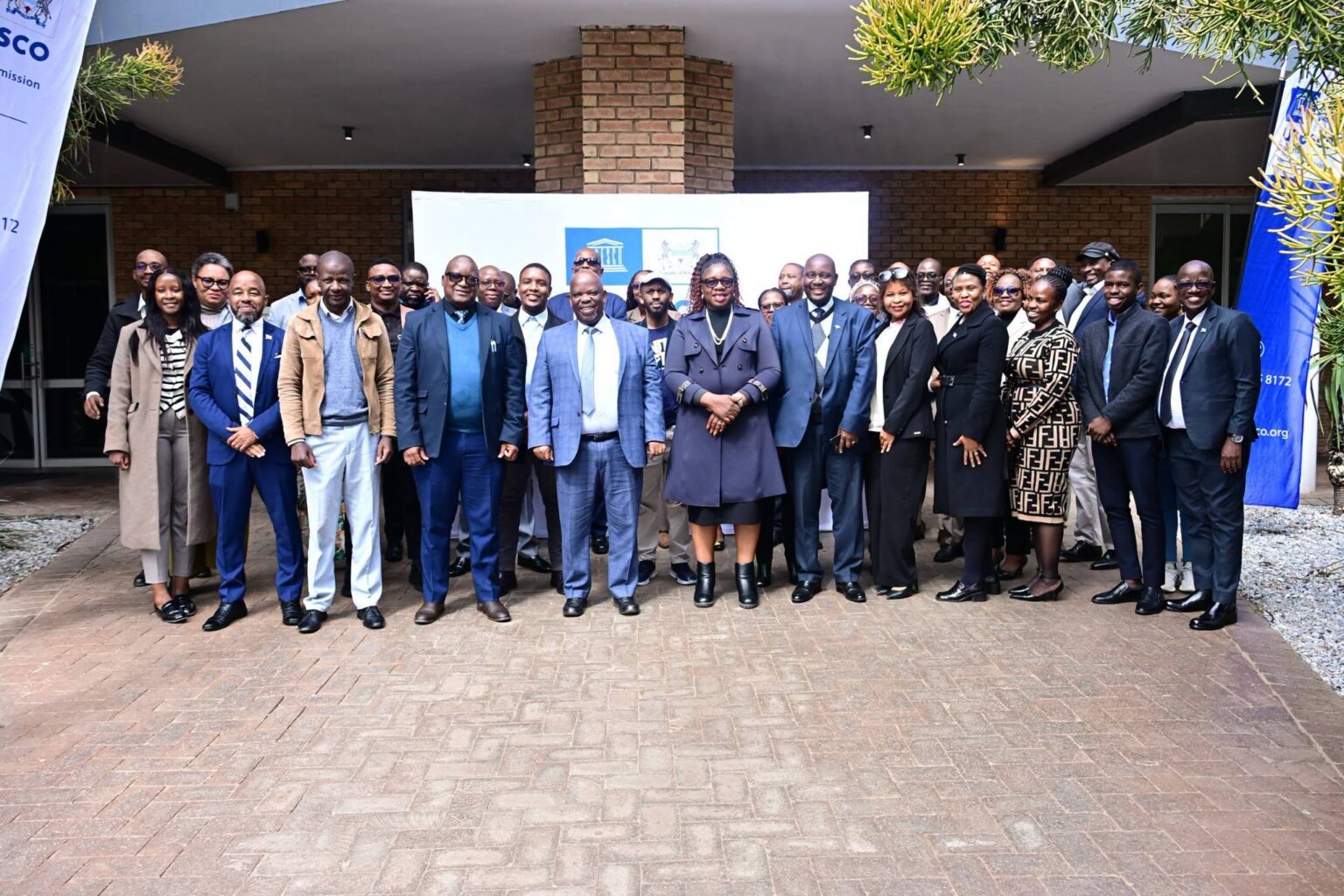
Botswana is taking steps to strengthen its creative economy by addressing gaps in data, skills, digital access and policy development that have limited the sector’s ability to reach its full economic potential. Permanent Secretary in the Ministry of Sport and Arts, Ms Neo Nancy Chengeta, highlighted these challenges while delivering the keynote address at the conclusion of a one-day meeting focused on advancing the country’s creative sector. She explained that the Ministry, working with UNESCO, the Botswana National Commission for UNESCO and other partners, had identified several critical areas requiring attention. These include limited information about the creative economy, skills shortages among creatives, barriers to accessing digital markets and policy frameworks that need to keep pace with changes in the digital environment. The renewed focus on these issues signals Botswana’s intention to move beyond viewing creativity only as a cultural asset and recognise its potential to contribute directly to economic participation, entrepreneurship and sustainable growth.
The KPIT project has emerged as a direct response to the challenges identified through collaboration between the Ministry and its partners. The initiative is designed to strengthen the foundations required for a more competitive and sustainable creative economy in Botswana. Its approach includes national mapping, intensive skills development and a review of existing policies that affect the creative sector. These activities are expected to provide decision-makers with stronger evidence about the size, structure and needs of Botswana’s creative economy. They will also help identify practical measures that can equip creatives to participate more effectively in digital markets while creating an environment where creative businesses can grow.
Reliable data will play an important role in determining how Botswana develops its creative economy. Without accurate information about the people, businesses, skills, products and economic activities within the sector, it can be difficult for government and other stakeholders to design effective interventions. National mapping under the KPIT project can help establish a clearer picture of the creative landscape and reveal areas where investment and support are most needed. Better data can also help measure the contribution of creative industries to employment, entrepreneurship and economic activity. This evidence can provide a stronger basis for future policies, funding decisions and programmes aimed at expanding opportunities for creatives across the country.
Skills development is another central component of the project as the creative economy becomes increasingly connected to digital technology. Creative professionals now need more than artistic or technical talent to compete successfully in changing markets. They may also need knowledge of digital marketing, online business management, content distribution, intellectual property, branding and other digital skills. Intensive skills development can help creatives understand how to position their work for local and international audiences while improving their ability to generate sustainable income. By investing in these capabilities, Botswana can help its creative professionals move from producing creative work to building viable businesses around their skills and intellectual property.
Access to digital markets presents another major opportunity and challenge for Botswana’s creative sector. Digital platforms have created new ways for musicians, artists, designers, filmmakers, writers, performers and other creatives to reach audiences beyond their immediate communities. However, access to these markets requires appropriate digital skills, infrastructure, payment systems, business knowledge and supportive policies. Creatives who lack these resources can struggle to convert online visibility into reliable income and sustainable enterprises. The KPIT project’s focus on digital market access therefore addresses an important part of the wider creative economy, helping Botswana’s creatives become better equipped to participate in an increasingly digital global marketplace.
Policy reform will also be necessary if Botswana wants its creative industries to respond effectively to technological change. Digital platforms have changed how creative content is produced, distributed, promoted and monetised, creating new opportunities while also raising questions around intellectual property, regulation and market access. Policies that were developed before the rapid expansion of digital platforms may not adequately address these developments. A policy review can help identify areas where existing frameworks need to change and where new measures may be required to support innovation. Creating a more responsive policy environment can give creatives greater confidence to invest in their work, develop businesses and explore new digital opportunities.
Ms Chengeta linked these efforts to the broader objectives of Vision 2036, which seeks to position Botswana as a prosperous, innovative, knowledge-based and inclusive society. The creative economy fits into this vision because it combines entrepreneurship, innovation, skills development and digital transformation. Creative industries can also contribute to economic diversification by creating opportunities beyond traditional sectors and providing new avenues for young people and entrepreneurs. Supporting these industries can encourage individuals to turn creative abilities into products and services that generate income and employment. The KPIT project therefore has relevance beyond the creative sector because its outcomes could contribute to Botswana’s wider economic transformation agenda.
The emphasis on entrepreneurship is particularly important because creativity alone does not always translate into sustainable economic participation. Creatives need access to markets, business knowledge, appropriate financing, digital tools and policies that allow them to operate effectively. Strengthening these areas can help creative professionals develop sustainable enterprises rather than depending solely on irregular opportunities or short-term projects. It can also encourage more people to view creative work as a viable economic pathway. A stronger creative business environment could create opportunities across a range of industries, including music, film, fashion, visual arts, publishing, design, digital content and cultural tourism.
The Ministry’s message that Botswana’s creative economy cannot remain an untapped opportunity reflects the need for coordinated action across the sector. Government institutions cannot build a sustainable creative economy on their own, particularly in an environment where technology and markets continue to evolve. UNESCO, the Botswana National Commission for UNESCO, creative professionals, industry organisations, private-sector players and other stakeholders all have roles to play in developing solutions. Collaboration can help bring together policy expertise, industry knowledge, technical skills and the experiences of creatives themselves. The effectiveness of the KPIT project will therefore depend not only on the activities it delivers but also on how successfully stakeholders work together to turn its findings into practical action.
The project also has the potential to strengthen the relationship between Botswana’s cultural identity and its economic development objectives. Creative industries can provide platforms for local stories, artistic expressions, cultural knowledge and national identity while also creating commercial opportunities. When creatives have the skills and infrastructure needed to reach wider markets, Botswana’s cultural products can potentially find audiences both within the country and internationally. This can support individual livelihoods while increasing the visibility of Botswana’s creative talent. A stronger creative economy can therefore serve both cultural and economic objectives when the right systems are in place.
The challenges identified by the Ministry show that Botswana needs a coordinated approach that addresses the full creative economy ecosystem rather than focusing on individual artists or isolated initiatives. Data can show where the gaps exist, skills development can improve competitiveness, digital access can expand market opportunities and policy reform can create a more supportive operating environment. These elements are closely connected and need to develop together if the country wants to achieve meaningful and lasting results. The KPIT project provides a structured opportunity to address these areas while generating information that can guide future interventions. Its success could help establish a stronger foundation for creatives to participate in the economy and benefit from the opportunities created by digital transformation.
Botswana’s renewed focus on its creative economy represents an important step towards recognising creativity as a source of economic value, innovation and sustainable opportunity. Ms Neo Nancy Chengeta’s keynote address made clear that the country needs better data, stronger skills, supportive policies and improved digital access to unlock this potential. The KPIT project provides a practical response by combining national mapping, skills development and policy review with broader collaboration involving government, UNESCO, creatives, industry and other stakeholders. If these efforts translate into effective policies, stronger capabilities and greater access to digital markets, Botswana’s creative sector can become a more significant contributor to economic diversification and inclusive growth. The commitment expressed by the Ministry provides a foundation for that work, but sustained collaboration and implementation will determine whether the country can turn its creative potential into lasting economic participation.