
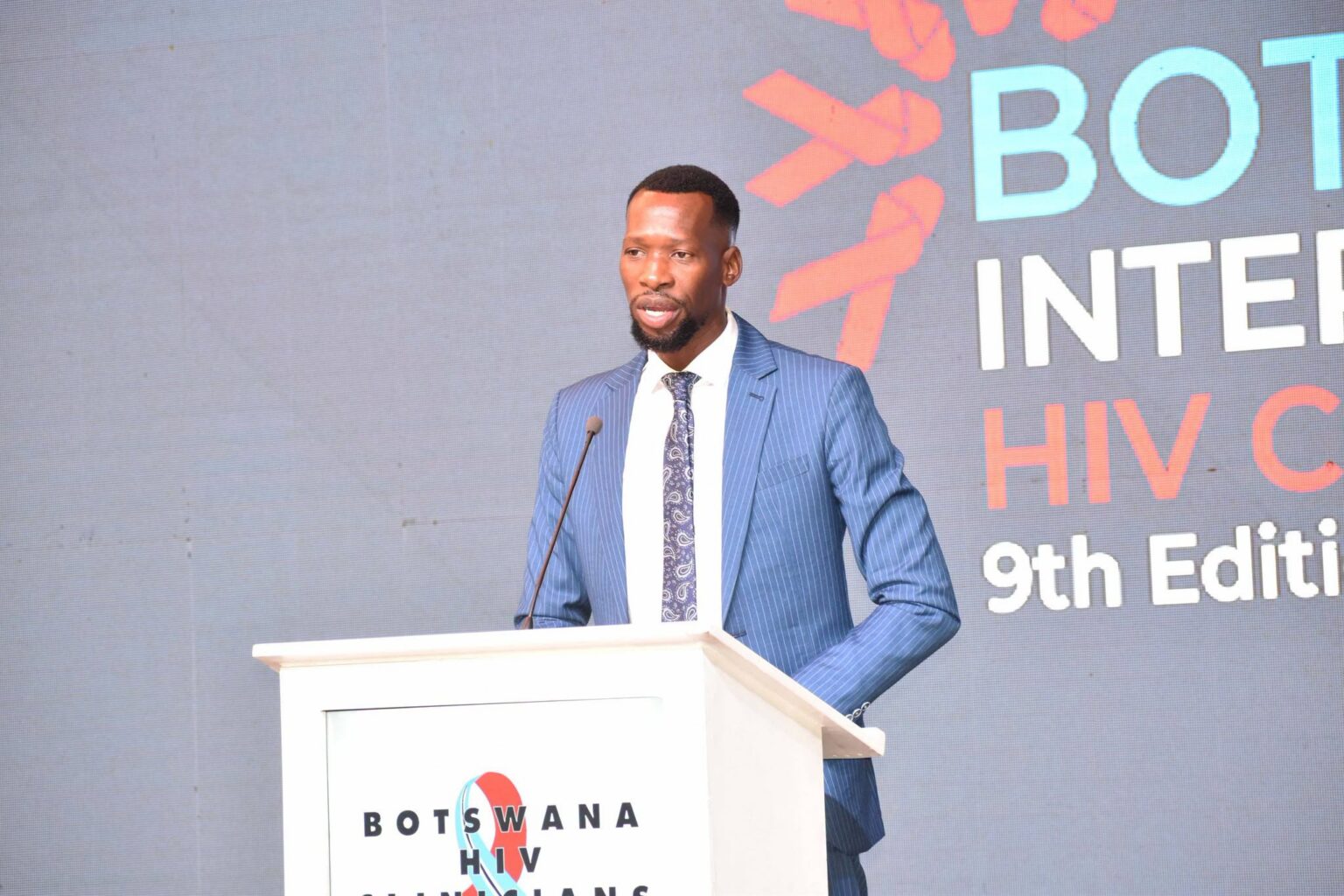
Botswana has renewed its commitment to ending HIV as a public health threat by 2030 as the 9th Botswana International HIV Conference gets underway in Gaborone. The two-day conference, which started yesterday and concludes tomorrow, is bringing together health professionals, researchers, policymakers, community representatives, young people and other stakeholders to examine new ways of strengthening the country’s HIV response. Held under the theme “Re-imagining HIV Response in Botswana: Sustainable Communities, Resilient Health Systems, and Tech-Driven Solutions for Ending the HIV Epidemic by 2030,” the event places innovation and long-term sustainability at the centre of discussions. The conference comes as Botswana continues to make significant progress towards global HIV targets while facing persistent challenges linked to new infections. Its discussions are expected to help identify practical approaches that can protect the gains already made and address gaps that continue to affect vulnerable communities.
Opening the conference, Assistant Minister of Health Hon. Lawrence Ookeditse highlighted Botswana’s notable progress in its response to HIV and its movement towards achieving international HIV targets. The progress reflects years of investment in HIV prevention, testing, treatment and community-based health programmes. However, Ookeditse also acknowledged that the country continues to face the challenge of new HIV infections, particularly among young people and vulnerable communities. These infections remain a concern because they can undermine progress made through expanded access to prevention and treatment services. The Assistant Minister therefore stressed the importance of maintaining a coordinated national response that brings together government, healthcare workers, researchers, communities and other partners.
The focus on young people is particularly important as Botswana works towards its 2030 HIV goals. Young people can face a range of barriers that affect their access to accurate information, prevention services, HIV testing and treatment. Social attitudes, stigma, concerns about confidentiality and limited engagement with healthcare services can all influence how young people respond to HIV risks. Addressing these challenges requires health programmes that understand the realities of younger populations and communicate with them through platforms and approaches that they trust. Greater involvement of young people in the design and delivery of HIV programmes can also help ensure that prevention strategies respond to their needs rather than relying on approaches that may no longer be effective.
The conference theme also highlights the growing role of technology in strengthening HIV prevention and healthcare delivery. Digital tools can support health education, improve access to information and help connect people with testing, treatment and other services. Technology can also assist healthcare systems with data management, monitoring and the identification of emerging trends that require targeted interventions. When used responsibly, digital solutions can help health authorities reach communities that may not always have easy access to conventional services. The conference provides an opportunity for experts and stakeholders to examine how technology can complement existing HIV programmes while ensuring that innovation remains accessible and relevant to the communities that need it.
Building resilient health systems remains another important part of Botswana’s strategy. A strong HIV response depends on healthcare facilities having capable staff, reliable systems, appropriate resources and the ability to maintain essential services over time. Resilience also requires health systems to respond effectively to changing patterns of infection and the evolving needs of patients and communities. Lessons from previous public health challenges can help Botswana strengthen its capacity to deliver HIV services even during periods of pressure on the healthcare system. By linking HIV programmes with broader health system improvements, the country can create services that provide sustainable benefits beyond the HIV response itself.
Community involvement will also remain central to efforts to end HIV as a public health threat. Communities play a critical role in encouraging testing, supporting people who are receiving treatment and challenging misinformation and stigma. People living with HIV and community organisations also bring practical experience that can help policymakers and healthcare professionals understand the barriers that individuals face. Sustained engagement can make HIV programmes more responsive and improve trust between communities and health institutions. The emphasis on sustainable communities at the conference therefore reflects the understanding that government programmes alone cannot achieve the 2030 goal without active participation from the people they are designed to serve.
Research and evidence are expected to feature prominently throughout the two-day gathering. Experts and stakeholders are using the conference as a platform to share research findings, discuss innovations and examine practical solutions that can strengthen Botswana’s HIV priorities. Such exchanges allow researchers, healthcare professionals and policymakers to learn from one another and identify approaches that can be adapted to local circumstances. Research can also help identify communities and population groups that require more targeted prevention and treatment interventions. Turning research into practical action will be essential if Botswana is to translate progress in HIV programmes into further reductions in new infections and improved long-term health outcomes.
The conference also highlights the importance of collaboration across different parts of society. HIV is not only a health issue, as social, economic, educational and community factors can influence prevention and treatment outcomes. This means that health professionals need to work alongside researchers, educators, community leaders, young people, civil society organisations and other stakeholders to develop effective solutions. Collaboration can help reduce duplication, strengthen the use of available resources and ensure that successful interventions reach more people. The call for sustained cooperation reflects the need for a unified approach as Botswana moves towards the ambitious target of ending HIV as a public health threat by 2030.
Botswana’s continued progress provides a strong foundation for the next stage of its HIV response, but the challenge of new infections shows that the work is not finished. Maintaining high levels of treatment and prevention while reaching people who remain underserved will require sustained investment and innovative thinking. The 9th Botswana International HIV Conference gives stakeholders an important opportunity to assess what has worked, identify where gaps remain and consider how new approaches can strengthen the national response. Its focus on sustainable communities, resilient health systems and technology reflects the changing demands of HIV prevention and care. As the conference concludes, the knowledge and partnerships developed in Gaborone could help shape practical strategies that support Botswana’s continued progress towards ending HIV as a public health threat by 2030.