
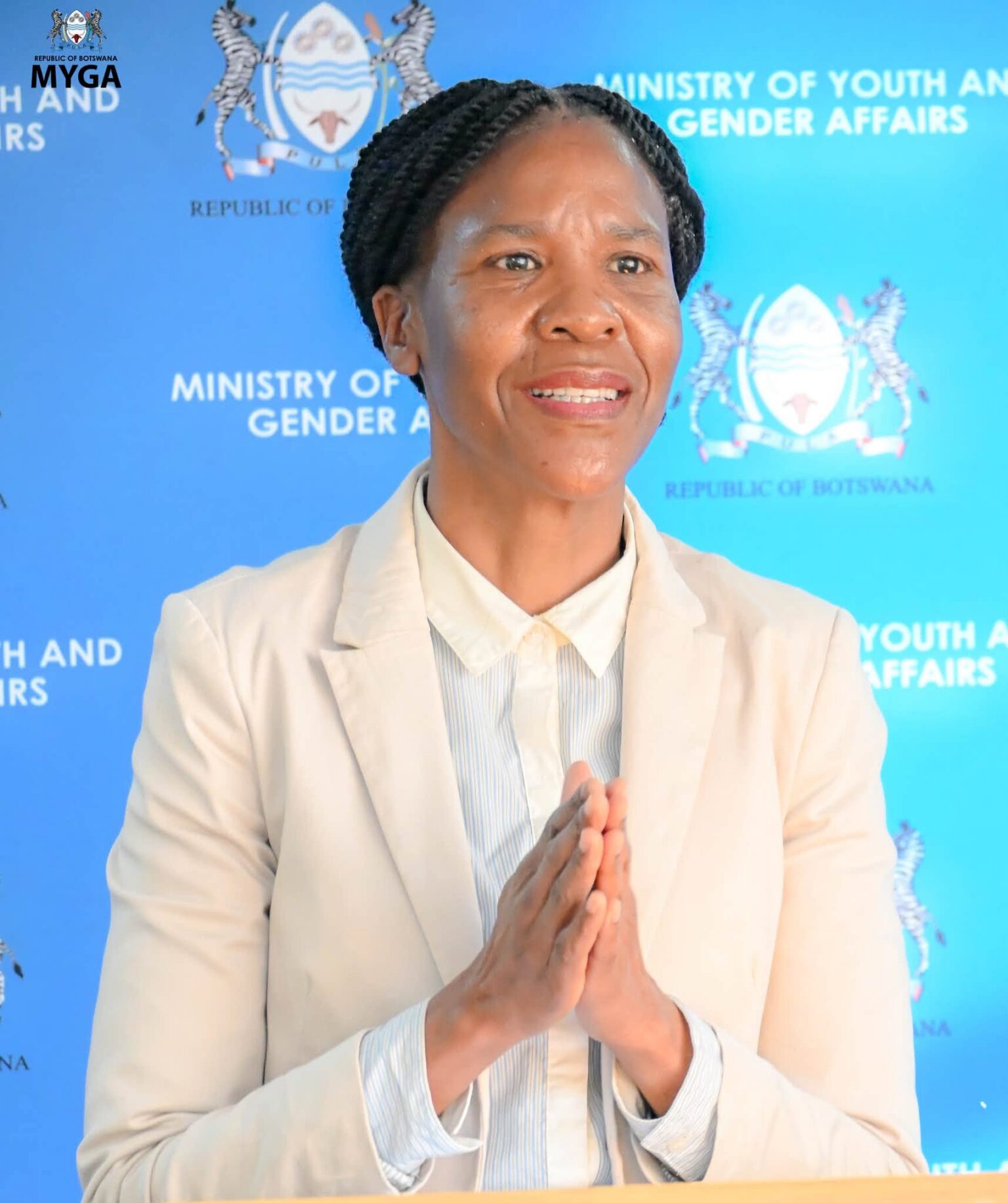
The Ministry of Youth and Gender Affairs has highlighted the importance of structured mentorship in helping young men overcome challenges and build healthier, more purposeful futures. During a Motivational Monday session, the Ministry hosted Panashe Matongo from Mentorship, a non-governmental organisation focused on Building a Brighter Future for the Boy Child. The initiative seeks to address important gaps in youth development by providing young men with mentorship, guidance and access to positive role models. Its approach recognises that young people need more than academic opportunities to succeed, as they also require emotional support, practical life skills and trusted adults who can guide them through difficult experiences. Through collaboration between civil society and government stakeholders, the programme aims to create opportunities that help young men develop confidence, responsibility and a stronger sense of purpose.
Matongo explained that the programme responds to rigid masculine stereotypes that can discourage young men from expressing emotions or discussing personal challenges. Many boys grow up with expectations that they should remain emotionally strong, avoid vulnerability and deal with problems without asking for help. These attitudes can make it difficult for young men to recognise when they need support or to communicate their struggles in healthy ways. The Mentorship initiative seeks to challenge these expectations by creating safe spaces where boys and young men can speak openly about their experiences without fear of judgement. By encouraging healthier emotional expression, the programme aims to help participants develop better coping mechanisms and make more constructive decisions when facing pressure.
Creating safe and supportive environments can play an important role in preventing some of the harmful outcomes associated with unresolved emotional and social challenges. Matongo said the initiative is designed to help young men navigate internal struggles more effectively and reduce their vulnerability to substance abuse, violence and crime. Mentorship can give participants an opportunity to discuss issues before they develop into more serious problems, while positive role models can demonstrate practical alternatives to harmful behaviour. The programme also encourages young men to understand that seeking support does not undermine their strength or identity. Instead, it can help them build the emotional awareness and decision-making skills needed to respond responsibly to difficult situations.
The initiative places strong emphasis on holistic youth development rather than focusing on a single area of a young person’s life. According to Matongo, the programme seeks to equip participants with essential life skills that can support them at home, in education, in relationships and eventually in the workplace. These skills can include communication, responsibility, problem-solving, leadership and the ability to make informed decisions. Encouraging young men to participate actively in household responsibilities is also part of the programme’s approach to developing responsible individuals. By promoting shared responsibilities at home, the initiative can contribute to healthier family relationships and help young men develop a stronger understanding of respect, cooperation and accountability.
The focus on household participation also connects to the programme’s broader effort to redefine what responsible leadership looks like in local communities. Young men can learn that leadership involves service, responsibility and the ability to contribute positively to the people around them. This approach moves away from definitions of masculinity that associate leadership primarily with authority or control. Instead, participants are encouraged to understand leadership through practical actions such as supporting family members, respecting others and taking responsibility for their decisions. Developing these values at a young age can help create individuals who contribute positively to their communities as they become adults.
Education will form an important part of the organisation’s strategy for expanding the programme’s reach. Matongo indicated that Mentorship plans to conduct educational outreach in schools and universities, where young people can access guidance during important stages of their development. Schools and universities provide valuable environments for reaching large numbers of young people and identifying challenges that may affect their academic, social and personal progress. Outreach programmes can also create opportunities for educators, families and youth organisations to work together when young people require additional support. By taking mentorship directly into educational institutions, the initiative can make guidance more accessible to young men who may not otherwise have access to structured mentorship programmes.
Life skills workshops will provide another practical platform for engaging participants and addressing issues that affect their daily lives. These workshops can create opportunities for young men to learn through discussion, activities and real-life examples rather than relying only on traditional classroom instruction. Topics can be tailored to the challenges young people face, including communication, decision-making, relationships, emotional wellbeing, responsibility and future planning. Practical learning can help participants understand how these skills apply to situations they encounter at home, at school and within their communities. The workshops can therefore complement formal education by preparing young men for challenges that require social and emotional skills as well as academic knowledge.
Sport will also form part of the programme’s outreach strategy, with initiatives such as soccer tournaments being used to connect with young people. Sport provides an accessible environment where young men can participate, build relationships and learn important lessons about teamwork and discipline. A soccer tournament can therefore become more than a sporting event when combined with mentorship and educational activities. Organisers can use these gatherings to introduce participants to positive role models, share information and create opportunities for conversations about issues affecting young men. Using popular activities such as sport can help the programme reach young people who may be less likely to attend conventional mentorship sessions.
The partnership between Mentorship and government stakeholders is intended to strengthen the programme’s ability to reach young men across the country. Government involvement can help connect community initiatives with broader youth development priorities while creating opportunities for greater coordination between organisations working with young people. Civil society organisations can contribute specialised knowledge, community relationships and practical programmes that complement government efforts. A coordinated approach can also help ensure that mentorship reaches young people in different communities rather than remaining concentrated in a limited number of areas. The collaboration therefore reflects the importance of combining resources and expertise when addressing complex challenges affecting youth development.
The focus on the boy child also highlights the need for targeted interventions that recognise the specific pressures young men can face while growing up. Providing boys with positive role models and safe spaces can help them develop healthier ways of handling emotions, relationships and conflict. At the same time, teaching practical life skills can prepare them to take greater responsibility for their choices and their roles within families and communities. Programmes that address these areas early can contribute to breaking harmful cycles before they become entrenched. The long-term goal is not simply to prevent negative behaviour, but to help young men develop the skills and confidence required to pursue education, employment, leadership and other constructive opportunities.
The Motivational Monday session provided an important platform for drawing attention to the role of mentorship in building a brighter future for the boy child. Through its focus on emotional support, positive role models, life skills, family responsibility, education and sport, the Mentorship initiative offers a broad approach to youth development. Its planned activities in schools, universities and communities can create multiple entry points for young men seeking guidance and support. The collaboration with government stakeholders can also help expand the programme’s reach and strengthen its contribution to national youth development efforts. If implemented consistently, the initiative can help young men break harmful cycles, develop healthier identities and make decisions that support their long-term potential.
The message from the Ministry of Youth and Gender Affairs and Mentorship is clear: supporting the boy child requires investment in emotional development, practical skills, positive relationships and meaningful opportunities. Panashe Matongo’s presentation highlighted the need to challenge stereotypes that prevent young men from seeking help while creating spaces where they can learn, reflect and grow. Through mentorship, life skills workshops, educational outreach and sport-based initiatives, the programme aims to reach young men in environments where they already learn, socialise and develop their identities. Its wider ambition is to empower young men across the country to reclaim their purpose, contribute positively to their families and communities and pursue their full potential. The partnership represents a constructive step towards developing a generation of young men who are emotionally aware, responsible, resilient and prepared to make positive contributions to society.