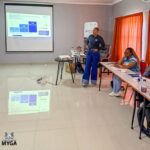
Men in Mmankgodi have been encouraged to take greater responsibility for their health, families and communities while actively contributing to efforts to address social challenges affecting society. The call was made during a men’s health engagement organised by Men Sector Mmankgodi in collaboration with the District AIDS Committee and other stakeholders. The engagement was held under the theme, “Building Men of Integrity for Responsible, Safe and Healthy Communities,” highlighting the importance of responsible leadership and healthy choices among men. The initiative brought together community members and stakeholders to discuss health, family relationships, gender-based violence, positive parenthood and other issues affecting men and their communities. The discussions also reinforced the importance of men seeking healthcare early, maintaining healthy relationships and taking an active role in creating safer communities.
When welcoming guests, Kgosi Solofelang Thobega commended Men Sector Mmankgodi for its continued efforts to improve the lives of men in the community. He recognised the value of initiatives that create space for men to discuss challenges affecting their health, families and personal development. Such engagements can help encourage open conversations about issues that men may otherwise struggle to discuss in their everyday lives. Kgosi Thobega also encouraged the organisers to consider holding similar programmes during weekends to make them more accessible to community members who may have work and other commitments during weekdays. His suggestion highlighted the importance of making community health programmes accessible to as many men as possible.
District AIDS Coordinator Ms Mpho Mashila said the engagement aimed to encourage men to become better individuals for themselves, their families and their communities. She highlighted concerns about men’s participation in HIV testing and pointed to statistics showing a significant difference between the number of women and men who had undergone testing. According to the figures presented, 4,961 people were tested, consisting of 3,532 women and only 1,429 men. The figures show the need for continued efforts to encourage men to make HIV testing part of their regular healthcare routine and to take greater responsibility for knowing their health status. Ms Mashila also noted that men continue to lag behind in testing together with their partners, reinforcing the importance of shared responsibility for sexual and reproductive health.
The emphasis on HIV testing reflects the broader need for men to take a proactive approach to healthcare rather than waiting until they experience serious symptoms. Regular testing can help people understand their health status and seek appropriate care and support when necessary. For men living with HIV, adherence to antiretroviral treatment remains an important part of maintaining their health and managing the condition. Ms Mashila urged men to avoid social ills that negatively affect themselves, their families and their communities while also calling on them to contribute to the fight against gender-based violence. Her message placed personal health and responsible behaviour within the wider context of building stronger and safer families.
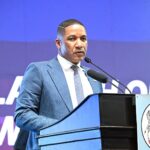
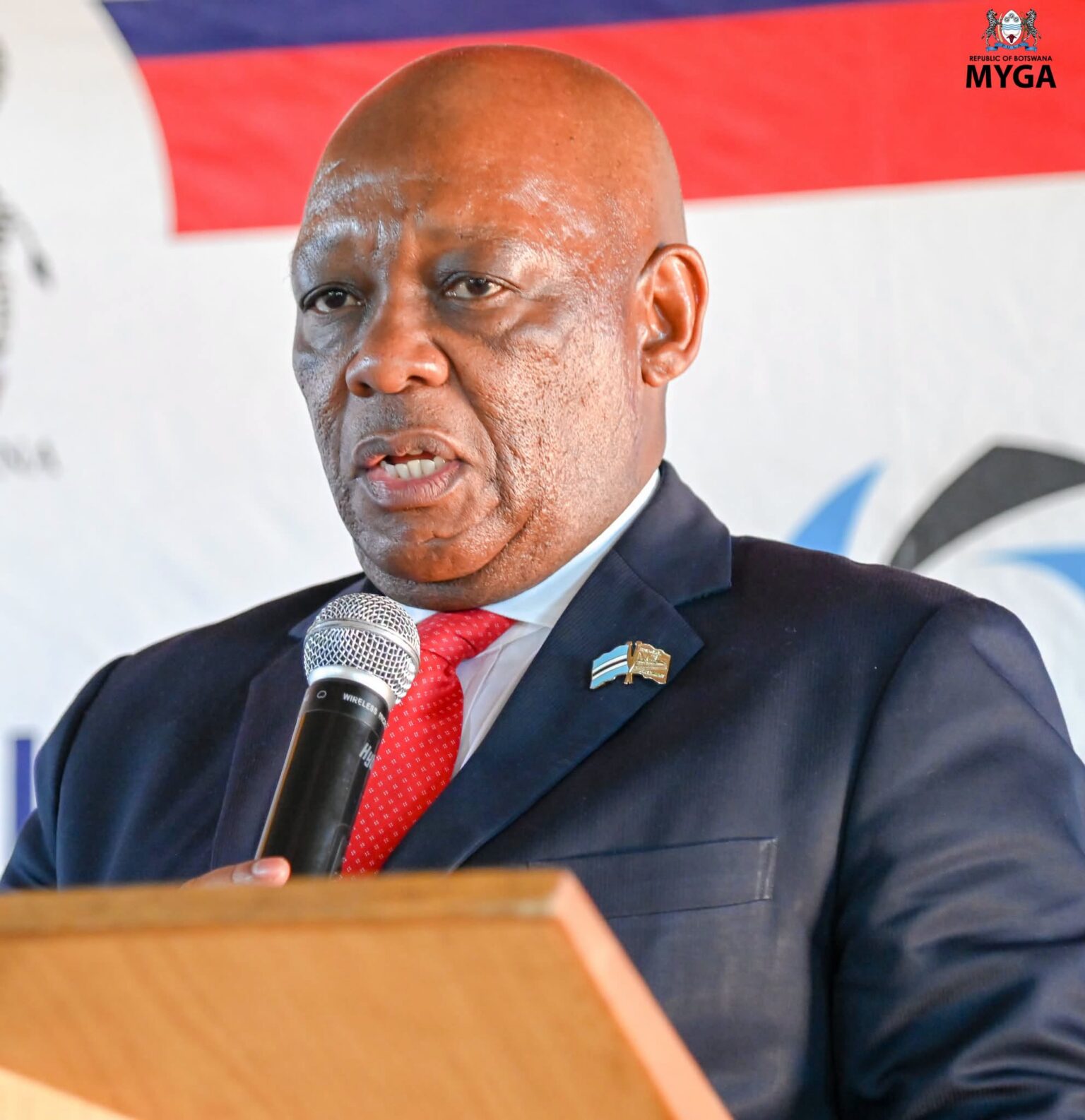
Gabane-Mmankgodi Member of Parliament Hon. Kagiso Mmusi also urged men to demonstrate integrity wherever they are, particularly in their homes and communities. He encouraged participants to take the lessons shared during the engagement and apply them in their daily lives rather than treating the event as a one-time discussion. Integrity involves taking responsibility for one’s actions, treating others with respect and making decisions that support the wellbeing of families and communities. For men in leadership positions, this responsibility can extend beyond their professional roles to include their conduct and involvement within their families. Hon. Mmusi’s message reinforced the idea that meaningful change begins with individuals taking practical responsibility for their behaviour.
Hon. Mmusi further cautioned men, particularly those in leadership positions, against neglecting their families. He noted that a lack of parental involvement can contribute to children becoming rebellious and stressed that fathers should build meaningful relationships with their children. He specifically encouraged men to nurture relationships with daughters as well as sons, recognising that girls also need the presence, guidance, affection and support of their fathers. He also reminded men that love, attention and care can be more valuable to children than material possessions. The message placed family involvement at the centre of responsible fatherhood and encouraged men to recognise the lasting impact their presence can have on children’s development.
The MP also called for future engagements to become more participatory by giving attendees greater opportunities to contribute to discussions. Allowing men to share their experiences can help community leaders and health professionals better understand the challenges affecting them. Interactive discussions can also create a supportive environment where participants feel comfortable raising questions about health, relationships, parenting and other sensitive issues. This approach can make community programmes more relevant because participants become active contributors rather than simply receiving information. Greater participation may also encourage men to learn from one another and identify practical ways to address challenges within their families and communities.
Gender Officer Ms Jessica Mobita highlighted the important role men can play in preventing gender-based violence. She urged men to reject violence and recognise the serious consequences it can have for partners, children and entire families. Gender-based violence can create lasting emotional, physical and social harm, particularly when children are exposed to conflict and violence in their homes. Ms Mobita therefore encouraged men to make responsible choices and to contribute to relationships based on respect, communication and safety. Her message reinforced the need for men to understand that preventing violence requires active participation and a willingness to challenge harmful behaviour.
Ms Mobita also described several qualities associated with a man of integrity, including the ability to apologise, seek help when necessary and express emotions in a healthy manner. These qualities challenge the idea that men should avoid showing vulnerability or discussing emotional difficulties. Being able to acknowledge mistakes can help strengthen relationships and create opportunities for constructive change. Seeking help can also allow men to address personal, emotional or social challenges before they develop into more serious problems. Healthy emotional expression can contribute to better relationships within families and can give children positive examples of how to communicate and manage difficult situations.
Positive parenthood was another important issue addressed during the engagement. Participants were sensitised on the importance of being actively involved in their children’s lives and providing guidance, support and care. Responsible parenting involves more than providing financially for children, as children also need emotional support, communication, discipline and consistent parental involvement. Fathers can play an important role in helping children develop confidence, responsibility and healthy attitudes towards relationships and other people. Encouraging positive parenthood can therefore strengthen families while helping create a healthier environment for children to grow and develop.
The police also cautioned men against criminal activities that could compromise their dignity, health and wellbeing. Criminal behaviour can have serious consequences for individuals, including legal problems, damaged relationships and reduced opportunities for employment and personal development. It can also affect families and communities by contributing to insecurity and social instability. The warning encouraged men to make responsible decisions and consider the long-term consequences of their actions. By avoiding criminal activities and supporting lawful behaviour, men can contribute to safer communities while protecting their own futures and those of their families.
Health was another major focus of the engagement, with men encouraged to prioritise regular healthcare and adhere to antiretroviral treatment when prescribed. Participants were urged not to default on their medication and to understand the importance of following treatment instructions consistently. Men were also encouraged to make regular health checks part of their routine rather than seeking medical attention only when they become seriously ill. Regular healthcare visits can support early detection of health problems and provide opportunities for individuals to receive professional advice about prevention and treatment. Making healthcare a routine part of life can therefore help men take greater control of their wellbeing.
The engagement also provided participants with an opportunity to undergo screening and testing for various health conditions. These services reinforced the importance of early detection and encouraged men to take responsibility for their overall health. Health screenings can help identify potential problems that may not immediately produce noticeable symptoms, allowing individuals to seek appropriate medical advice sooner. Combining health education with accessible screening can also make community programmes more practical and useful for participants. The initiative demonstrated how community-based engagements can bring health information and services closer to people while encouraging them to make informed decisions about their wellbeing.
The Mmankgodi engagement highlighted that improving men’s health requires attention to more than medical treatment alone. Physical health, mental wellbeing, family relationships, responsible parenting, violence prevention and lawful behaviour are all connected to the wellbeing of individuals and communities. The messages shared by community leaders, health officials, gender representatives and the police encouraged men to take a broader view of responsibility and recognise the influence they have within their homes and communities. The emphasis on integrity also provided a framework for men to consider how their choices affect the people around them. Continued engagements of this nature could help sustain conversations around men’s health and encourage practical action beyond the event itself.
The call for men in Mmankgodi to prioritise their health, families and communities comes at an important time when communities continue to address HIV, gender-based violence, family challenges and other social concerns. The National Health Insurance Policy 2026 recently adopted by Botswana Parliament also places broader attention on strengthening access to healthcare, making individual responsibility and community participation important parts of a healthier society. Men can contribute to this effort by seeking regular medical care, knowing their HIV status, adhering to treatment, supporting their partners and children and rejecting violence and criminal behaviour. They can also strengthen their families by being present, communicating openly and seeking assistance when they face challenges they cannot manage alone. The Mmankgodi engagement ultimately reinforced a clear message that building responsible, safe and healthy communities requires men to take action in their own lives while supporting the wellbeing of those around them.