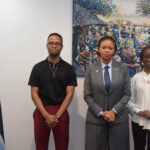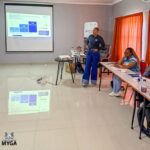
The South East Region has taken a significant step towards strengthening child welfare, protection and education with the inauguration of Operation Ngwana Pele, meaning Putting a Child First, in Gaborone. The initiative was inaugurated yesterday at Travelodge and brings schools, parents and communities together around a shared responsibility to ensure that every child is safe, supported and able to learn and thrive. The programme recognises that children’s educational success depends on more than what happens inside the classroom. It requires families, schools, communities and relevant institutions to work together to create environments where children can develop safely and confidently. Through Ngwana Pele, the South East Region is placing children’s welfare at the centre of efforts to improve education, protection and opportunities for young people.
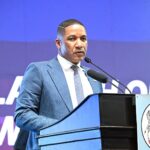
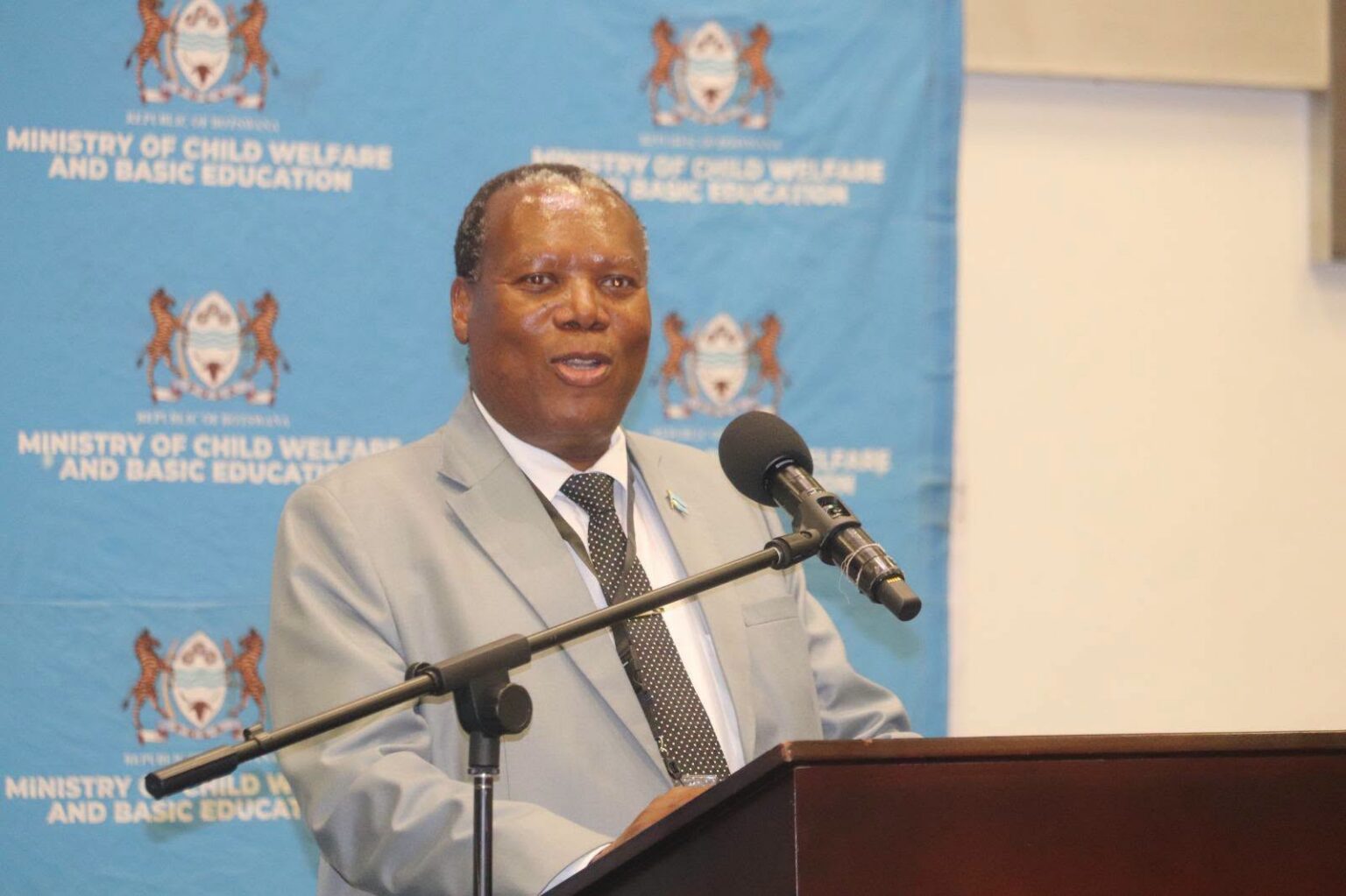
Speaking at the launch, Permanent Secretary in the Ministry of Child Welfare and Basic Education, Ms Mmamiki Kamanakao, emphasised the close relationship between child welfare and education. A child who faces challenges relating to safety, family circumstances or general wellbeing may struggle to concentrate, attend school regularly or perform academically. This makes it important for teachers, parents and community members to recognise that supporting education also involves understanding and responding to children’s wider needs. Kamanakao called on parents, teachers and communities to work together in supporting children and creating conditions that allow learners to reach their potential. Her message reinforces the principle that child welfare should remain a shared responsibility rather than being left to one institution or group.
Operation Ngwana Pele provides a platform for schools and communities to strengthen the systems that support children. Schools have a particularly important role because teachers and other education personnel interact with learners regularly and can identify changes in behaviour, attendance or academic performance. Parents and guardians also have a vital responsibility because they provide the care, guidance and support that children need outside school. Communities can contribute by creating safe environments, supporting positive activities and helping identify situations that may place children at risk. When these groups communicate and cooperate effectively, they can respond more quickly to children’s needs and provide stronger support throughout their development.
The initiative also highlights the importance of creating safe and supportive learning environments. Children are more likely to participate actively in education when they feel secure, respected and valued. Concerns about safety, neglect or other challenges can affect a learner’s ability to focus on school and make progress. A child-centred approach encourages adults to pay attention to these issues and ensure that learners receive appropriate assistance when they need it. Ngwana Pele therefore represents an effort to connect child protection with educational development so that both areas can reinforce each other.
Parents are an important part of this approach because they have a direct influence on children’s development and educational experiences. Active parental involvement can help learners build positive attitudes towards school while giving families an opportunity to work closely with teachers when challenges arise. Regular communication between parents and schools can help identify concerns early and make it easier to provide appropriate support. Parents can also encourage children to develop discipline, responsibility and confidence as they progress through their education. By involving families in child welfare initiatives, Ngwana Pele can strengthen the relationship between the home and the school environment.
Teachers and schools also have an important role in ensuring that the child-first approach becomes part of everyday practice. Educators do more than deliver academic lessons because they also help create environments where learners can develop socially and emotionally. Teachers can identify learners who may need additional support and can work with parents and relevant community structures to address concerns. Schools can also promote awareness of child protection and encourage learners to understand their rights and responsibilities. These efforts can help make child welfare an integral part of the educational experience rather than a separate concern.
The community component of Ngwana Pele is equally important because children grow and develop within wider social environments. Community members can help create spaces where young people are protected from harmful situations and encouraged to participate in constructive activities. Community support can also strengthen existing networks around families and schools, particularly when children require additional assistance. A strong community response can make it easier to identify concerns and connect children and families with appropriate services. By bringing communities into the initiative, the South East Region is recognising that child protection requires cooperation at every level.
The planned rollout of Operation Ngwana Pele to other schools and areas across the South East Region could extend the programme’s impact considerably. Expanding the initiative will allow more learners, families, teachers and community members to participate in a coordinated child welfare approach. It can also provide opportunities to identify successful practices and address challenges that may arise during implementation. The Permanent Secretary commended the South East Region for taking the lead and encouraged other regions to benchmark against Ngwana Pele. This recognition could help encourage wider adoption of effective approaches to child welfare and education across Botswana.
The emphasis on putting children first also reflects the need to focus on the individual needs of learners. Every child has different circumstances, abilities, challenges and aspirations, which means support systems must be responsive to those differences. Providing opportunities for children to learn and develop requires more than ensuring that they are enrolled in school. Learners also need access to care, protection, guidance and environments that allow them to participate meaningfully in education. A child-first approach places these needs at the centre of planning and encourages adults and institutions to consider how their decisions affect children.
Operation Ngwana Pele can also contribute to long-term community development by supporting children during important stages of their growth. Children who receive appropriate support are better positioned to participate in education and develop skills that can benefit them later in life. Stronger child welfare systems can also help communities respond to challenges before they have a lasting impact on young people’s education and wellbeing. The initiative therefore has significance beyond individual schools because it can contribute to stronger families, safer communities and better educational outcomes. Continued collaboration between government, schools, parents and communities will be important if these objectives are to be achieved.
The inauguration of Operation Ngwana Pele in Gaborone marks an important step in the South East Region’s efforts to strengthen child welfare, protection and education. Its focus on bringing schools, parents and communities together reflects the reality that children’s wellbeing depends on cooperation and shared responsibility. The planned expansion across the region provides an opportunity to reach more learners and establish stronger support structures around them. The initiative also offers other regions an example that can be considered as they develop their own approaches to putting children’s needs first. When children receive the safety, care, support and educational opportunities they need, they have a stronger foundation for reaching their full potential and contributing positively to the future of Botswana.