
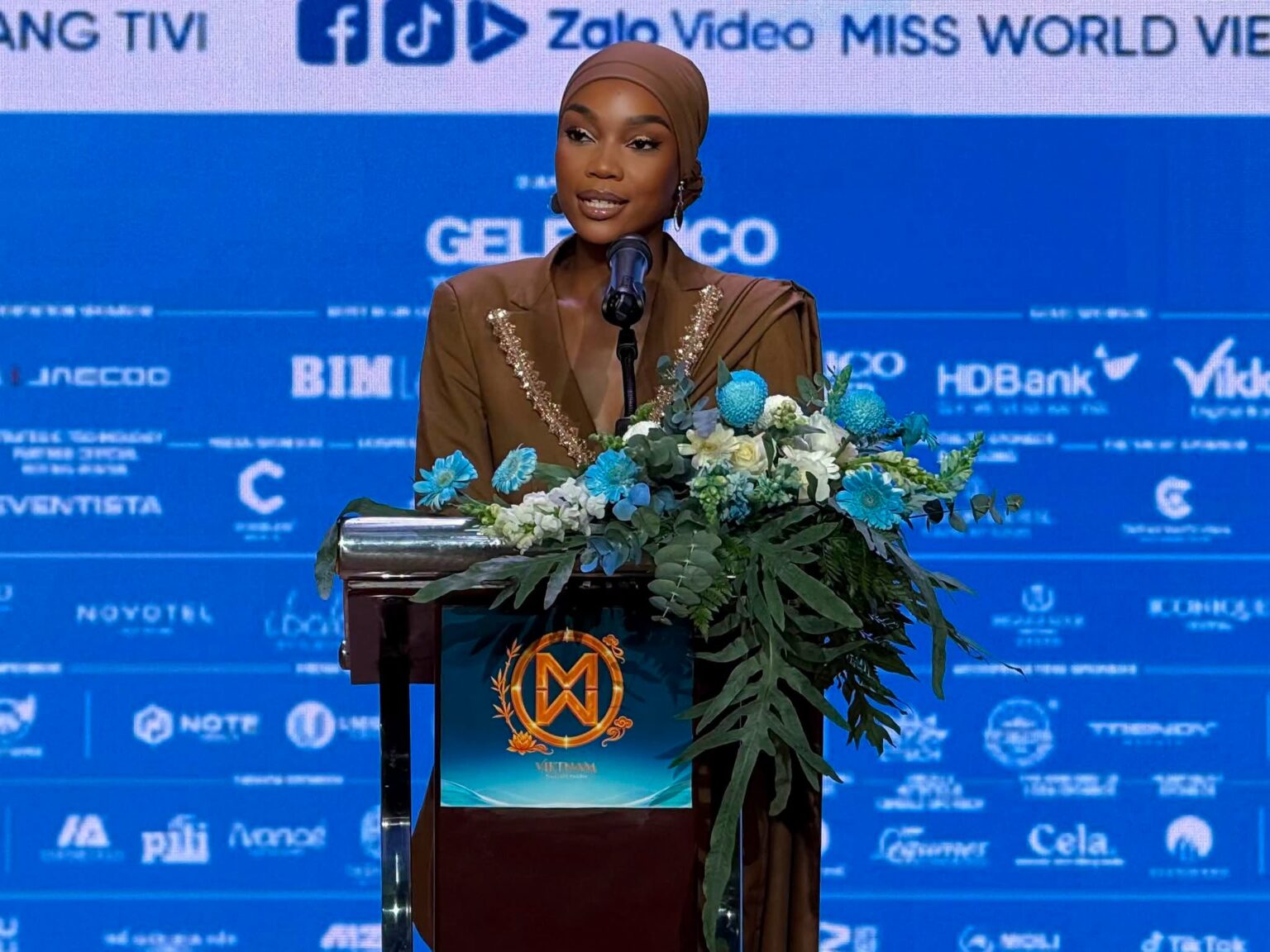
Botswana’s Ruth Thomas has stepped into the international spotlight as she took the stage for Round 2 of the Miss World Head to Head Challenge, using the platform to present her initiative while advocating for a broader vision of empowerment and inclusion. Her appearance offered an opportunity to showcase not only Botswana’s representation on the Miss World stage but also the ideas and values she hopes to promote through her work. Thomas placed particular emphasis on “The Beauty Movement,” a concept focused on redefining how beauty and empowerment are understood. Her message extends beyond traditional pageant expectations by highlighting inclusion, confidence and emotional well-being. Through her participation, she demonstrated how an international platform can be used to encourage meaningful conversations about issues that affect individuals and communities.
The Miss World Head to Head Challenge provides contestants with an opportunity to communicate their ideas, demonstrate their public speaking abilities and explain the causes they are passionate about. For contestants such as Thomas, the challenge represents more than a competition because it creates a space to connect personal purpose with a wider audience. Her participation allowed her to introduce her initiative while communicating a message centred on the importance of recognising different experiences and perspectives. By placing emotional well-being alongside empowerment and inclusion, Thomas presented a broader understanding of what it means to feel confident and valued. Her approach also reflects the growing importance of purpose-driven advocacy in international pageantry.
At the centre of Thomas’s presentation was “The Beauty Movement,” which seeks to challenge narrow ideas about beauty and create a more inclusive understanding of personal worth. The initiative places emphasis on the idea that beauty should not be limited to physical appearance or conventional standards. Instead, it encourages people to recognise confidence, individuality and emotional well-being as important elements of how people experience themselves and their communities. This message can be particularly relevant in an era when social media and digital platforms expose people to highly curated images and unrealistic expectations. By speaking about these issues on an international stage, Thomas created an opportunity to encourage a healthier and more inclusive conversation about beauty.
The focus on emotional well-being also adds an important dimension to the message behind The Beauty Movement. Emotional well-being can influence confidence, relationships, decision-making and the ability to navigate challenges in everyday life. Creating spaces where people can discuss their experiences and feel accepted can help strengthen a sense of belonging and self-worth. Thomas’s advocacy connects these ideas with empowerment by encouraging individuals to understand their value beyond external expectations. Her message therefore presents beauty as something connected to identity, confidence and the way people are supported by those around them.
Inclusion is another important element of the initiative, particularly because perceptions of beauty can differ widely across cultures, communities and individuals. International platforms such as Miss World bring together contestants from different backgrounds, allowing audiences to encounter a wide range of perspectives and experiences. Thomas’s representation of Botswana adds to that diversity while giving her an opportunity to share a message shaped by her own values and experiences. Promoting inclusion can help challenge assumptions about who gets to be represented and what forms of beauty should be celebrated. Her participation therefore contributes to a wider conversation about creating spaces where people feel recognised and respected.
Representing Botswana in an international competition also carries significance beyond the individual contestant. Thomas’s appearance provides visibility for Botswana while allowing international audiences to encounter the country through the voice and perspective of one of its representatives. Her participation demonstrates the ability of pageantry to provide contestants with platforms for cultural representation, advocacy and public engagement. By presenting The Beauty Movement, she connected her personal advocacy with her role as a representative of Botswana. This combination allows her participation to extend beyond competition results and focus attention on the message she is bringing to the global stage.
The Head to Head Challenge also requires contestants to communicate their initiatives clearly and confidently, making preparation an important part of the experience. Presenting a social initiative to an international audience requires contestants to explain its purpose, relevance and potential impact within a limited opportunity to engage viewers. Thomas’s decision to use the platform to discuss empowerment, inclusion and emotional well-being reflects an effort to communicate issues that have relevance beyond the pageant environment. Her presentation can also help introduce audiences to the values behind her advocacy and encourage further discussion. Strong communication is therefore an important part of turning a pageant platform into an opportunity for social awareness.
Thomas’s participation comes at a time when conversations around self-image, representation and emotional well-being continue to gain attention. People are increasingly questioning narrow standards of beauty and calling for greater representation across different backgrounds and identities. Initiatives that encourage confidence and inclusion can contribute to these discussions by offering alternative ways of understanding beauty and personal value. The Beauty Movement, as presented by Thomas, places these themes at the centre of her advocacy. Her participation in the Miss World Head to Head Challenge gives the message an international audience while keeping the focus on the importance of individual dignity and emotional well-being.
For Botswana, Thomas’s appearance is also an opportunity to celebrate a representative who is using an international platform to communicate a purpose-driven message. Her participation highlights the range of roles that modern beauty queens can play, including advocacy, public speaking and community engagement. Rather than focusing solely on appearance, the Head to Head Challenge allows contestants to demonstrate their ideas and the causes they want to advance. Thomas used that opportunity to promote a message focused on empowerment and inclusion while encouraging greater attention to emotional well-being. Her contribution adds another dimension to Botswana’s presence in the Miss World competition.
Ruth Thomas’s participation in Round 2 of the Miss World Head to Head Challenge ultimately demonstrates how international pageantry can provide a platform for advocacy and meaningful dialogue. Through The Beauty Movement, she has placed empowerment, inclusion and emotional well-being at the centre of her message while representing Botswana on the global stage. Her initiative encourages a broader understanding of beauty that recognises individuality and personal value rather than relying solely on traditional standards. The significance of her participation will extend beyond the challenge itself if the conversation inspires people to reconsider how they view beauty, confidence and inclusion. As Thomas continues her Miss World journey, her advocacy gives Botswana an opportunity to be represented through a message that places people, dignity and emotional well-being at the heart of empowerment.