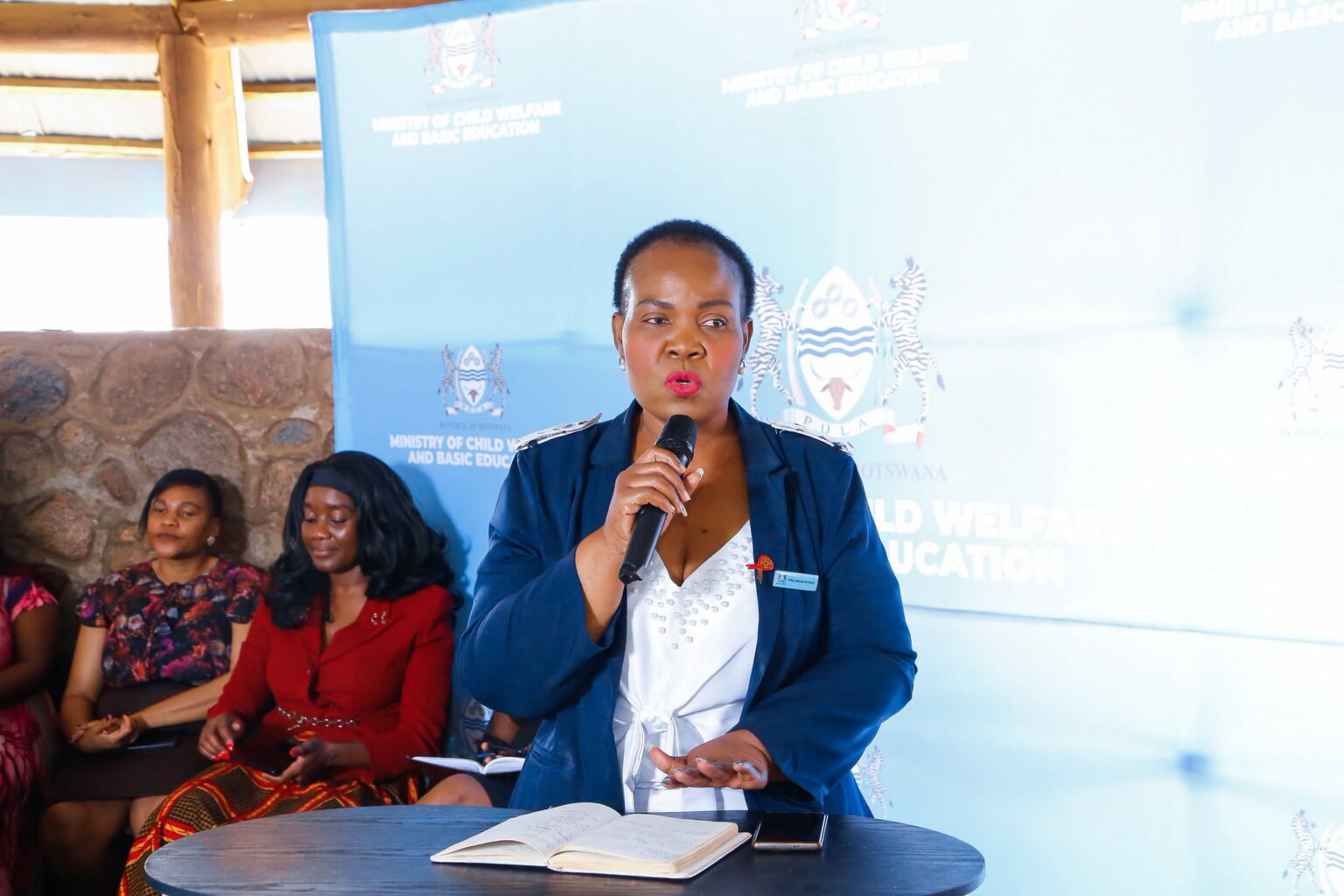
The Ministry of Child Welfare and Basic Education has begun a nationwide review of Botswana’s Children’s Act of 2009 as the country considers how its child protection framework can respond more effectively to the needs of children today. The review is focused on gathering views, experiences and recommendations from communities and stakeholders across the country. The process recognises that children’s circumstances and the challenges they face can change over time, requiring laws and policies to remain responsive to emerging realities. Through consultations, the Ministry aims to identify areas where the existing legislation can be strengthened to better protect and promote the rights, welfare and best interests of children. The nationwide engagement also provides an opportunity for communities to contribute directly to discussions about the legal protections and support systems available to children.
The Children’s Act of 2009 provides an important framework for addressing matters relating to children and their welfare in Botswana. Reviewing the legislation allows authorities to examine whether its provisions continue to address the realities facing children, families and communities effectively. Changes in society can create new challenges that require stronger legal responses, while existing protections may also need clarification or improvement. A comprehensive review can help identify gaps in implementation and areas where greater coordination between institutions and communities may be needed. The process is therefore not simply about changing legislation, but about ensuring that the country’s child protection system remains relevant, practical and focused on the best interests of children.
Community participation forms a central part of the review process, with the Ministry conducting consultations through kgotla meetings, schools and other stakeholder engagements. These platforms allow people from different backgrounds to discuss their experiences and provide recommendations based on issues affecting children in their communities. Parents and community members can raise concerns about the challenges they encounter when supporting and protecting children. Children themselves also have an important role because their experiences can provide valuable insight into how laws and support systems work in practice. Giving children and communities an opportunity to participate can help ensure that recommendations emerging from the review reflect real experiences rather than relying only on institutional perspectives.
The involvement of schools is particularly important because schools are closely connected to the daily lives and development of children. Educators and school communities can provide insight into challenges that affect learners, including issues that may influence their safety, wellbeing and ability to access education. Schools can also serve as important points for identifying children who require additional support or protection. By engaging with the education environment, the Ministry can gather perspectives from people who interact with children regularly and understand some of the practical challenges they face. These consultations can contribute to a broader understanding of what changes may be needed to strengthen child welfare and protection measures.
The consultations have already taken place in Francistown, Maun and Selibe Phikwe, marking important steps in the nationwide review process. Engagements in different parts of the country allow the Ministry to gather perspectives from communities with different social and economic circumstances. The experiences of families and children can vary depending on their location, access to services and local community conditions. Gathering views from multiple areas can therefore help create a more comprehensive picture of the issues that the revised legislation may need to address. The consultations already conducted can also provide valuable early feedback that informs discussions during subsequent engagements.
Further consultations are scheduled to take place across Botswana throughout September, giving additional communities an opportunity to participate in the review. The continuation of the process demonstrates the importance of obtaining broad public input before decisions are made about possible changes to the legislation. Stakeholders who participate can contribute by sharing specific experiences, identifying gaps in existing protections and proposing practical improvements. Constructive participation can help policymakers understand where existing systems work well and where communities continue to experience difficulties. A broad consultation process can also strengthen public awareness of children’s rights and encourage communities to take a more active role in protecting children.
The review comes at a time when child welfare requires cooperation between government institutions, families, schools, communities and other organisations. Protecting children effectively depends not only on legislation but also on how laws are implemented and how services respond when children need assistance. Strong legal protections must be supported by institutions that have the capacity, resources and coordination needed to put those protections into practice. Community awareness also matters because parents, caregivers and other adults need to understand their responsibilities and know where to seek help when concerns arise. The consultations can therefore contribute to strengthening both the legal framework and the wider systems that support children.
Listening to children during the review is equally important because laws designed to protect them should take their experiences and perspectives into account. Children may encounter challenges that adults do not always recognise or fully understand. Providing appropriate and safe opportunities for them to express their views can help policymakers identify issues that might otherwise receive limited attention. Their participation also reinforces the principle that children have rights and should be treated as important stakeholders in matters affecting their lives. Meaningful child participation can help create policies and laws that respond more effectively to the realities experienced by young people.
The review of Botswana’s Children’s Act of 2009 therefore represents an opportunity to strengthen the country’s approach to child protection and welfare. By combining government-led review processes with input from children, parents, schools, communities and other stakeholders, the Ministry can develop recommendations grounded in real experiences. The consultations in Francistown, Maun and Selibe Phikwe have already contributed to the process, while further engagements throughout September will broaden the range of voices involved. The success of the review will ultimately depend on how effectively the views gathered are translated into meaningful improvements in legislation, services and implementation. A stronger and more responsive Children’s Act can help ensure that Botswana continues to place the rights, welfare, safety and best interests of children at the centre of its national development priorities.