The Southern Africa Youth, Peace and Economic Development Summit, SAYPEDS 2026, brought together young people and key stakeholders on Friday morning to discuss the role of youth in building a peaceful, inclusive and prosperous region. Held under the theme, “Peace, Policy and Prosperity: Empowering Youth for a Secure and Inclusive Southern Africa,” the summit created a platform for young people, government representatives, diplomatic missions, development partners, civil society organisations, the private sector and other stakeholders to engage on issues affecting the region’s youth. The discussions focused on the need to move beyond recognising young people as beneficiaries of development programmes and instead involve them directly in decisions that affect their lives and communities. Speakers highlighted governance, peacebuilding, skills development, entrepreneurship, employment, access to finance and leadership as critical areas requiring sustained attention. The summit also reinforced the message that Southern Africa’s future depends heavily on whether its young population receives meaningful opportunities to participate in economic, social and political development.
Speaking at the summit, Project Director Ambassador Letsweletse Ngwako said young people want to participate meaningfully in governance and need opportunities to contribute to conversations that will shape the future of their countries. He emphasised that youth participation should extend beyond symbolic involvement and include genuine opportunities to influence policies, programmes and decisions. Ambassador Ngwako also highlighted the important role young people can play in peacebuilding and social cohesion, particularly as communities confront economic pressures, social challenges and changing political environments. Despite their potential contribution, many young people continue to experience exclusion from important decision-making spaces where their ideas and experiences could influence national outcomes. He called on governments and institutions to become more receptive to young people by creating spaces where they can be heard, participate and take their rightful place at decision-making tables.
Ambassador Ngwako stressed that young people bring ideas, leadership, energy and lived experiences that should form part of national development processes. He also challenged the idea that youth development depends entirely on financial resources, pointing out that access to information, mentorship and networks can be equally important in helping young people progress. A young entrepreneur, for example, may have a strong business concept but struggle to find mentors who can help turn that idea into a sustainable enterprise. Similarly, a young professional may possess valuable skills but lack the networks needed to access employment or industry opportunities. Creating stronger connections between young people and institutions, businesses, mentors and development organisations can therefore help address some of the barriers that limit youth participation and economic inclusion.
Ngwako also acknowledged that government cannot address the youth development agenda alone and called for greater cooperation between civil society organisations, advocacy groups, the private sector and financial institutions. Such partnerships can help expand access to resources and create practical opportunities for young people across different sectors. Financial institutions can contribute through appropriate financing products, while private companies can provide employment, training, mentorship and market access. Civil society organisations can support advocacy, community engagement and programmes aimed at strengthening youth participation in governance and peacebuilding. The combined efforts of these stakeholders can create a more coordinated approach to youth development rather than relying on government programmes alone.
The Project Director further encouraged young people to take advantage of opportunities that already exist instead of waiting for ideal circumstances before taking action. He used SAYPEDS itself as an example, noting that the initiative began without sponsors but was driven by a vision of promoting economic development, peace and prosperity for young people. The story illustrates the importance of initiative and persistence when young people seek to create platforms for themselves and others. It also reflects the broader message of the summit, which encouraged youth to become active participants in shaping solutions to challenges affecting their communities. For young people across Southern Africa, the call is not only to demand opportunities but also to identify available resources, build networks and pursue initiatives that can contribute to meaningful change.
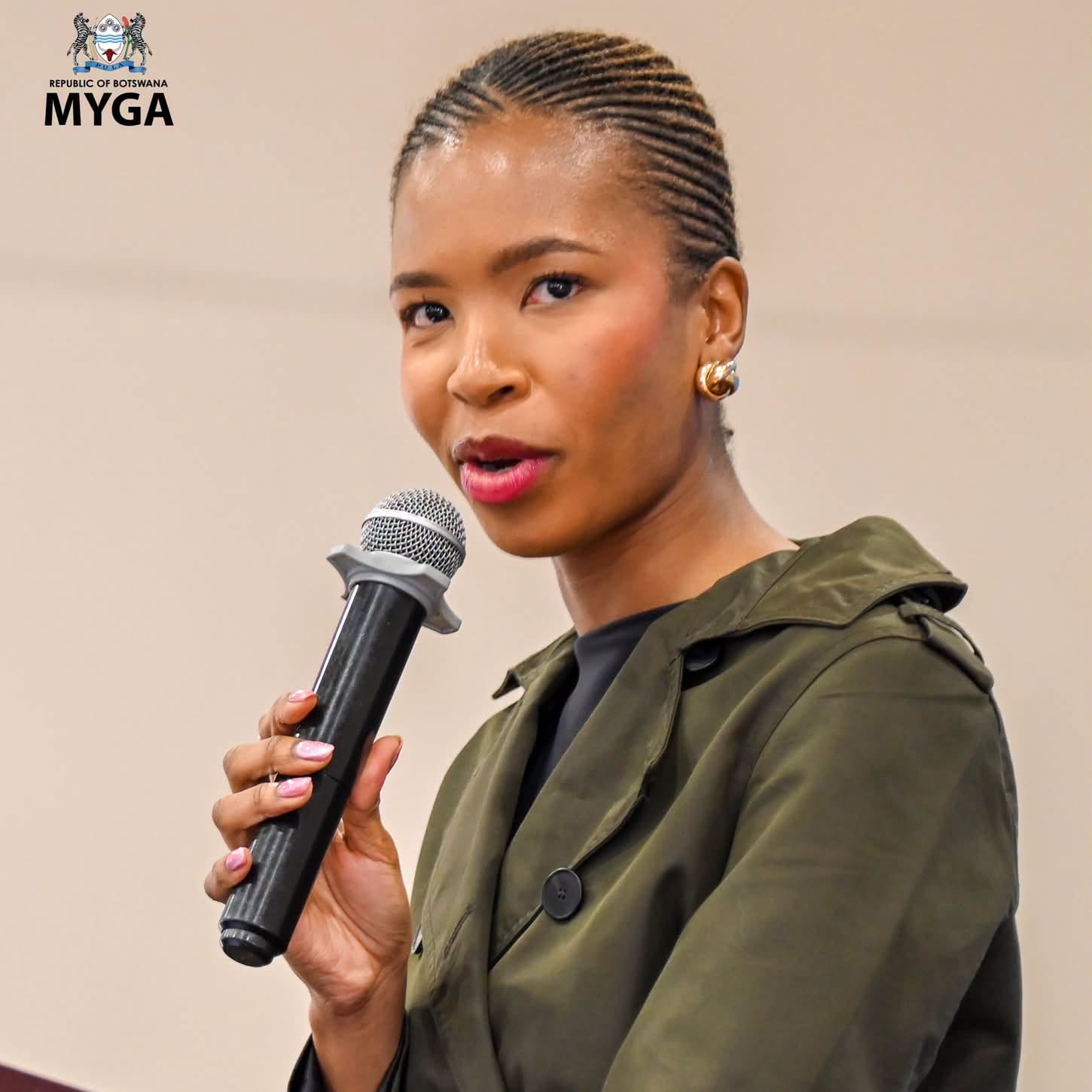
Giving her opening remarks, Minister of Youth and Gender Affairs Honourable Lesego Chombo commended the organisers of SAYPEDS 2026 and the young people who continue to pursue their aspirations despite difficult economic conditions. She emphasised that tenacity and determination remain important because success does not always happen immediately. Many young people face unemployment, limited access to capital, skills gaps and restricted professional networks, making the journey towards economic independence difficult. Minister Chombo stressed that meaningful results often require patience, persistence and a willingness to continue developing skills and pursuing opportunities despite setbacks. Her remarks placed resilience alongside practical access to opportunities as important components of youth development.
Minister Chombo also highlighted the demographic significance of Africa’s young population. With approximately 60 percent of Africa’s population below the age of 25, governments and institutions face a major responsibility to ensure that young people have the knowledge, skills and opportunities needed to contribute meaningfully to their countries and communities. This demographic reality creates both an opportunity and a challenge for governments across the continent. A large and skilled youth population can contribute to entrepreneurship, innovation, employment creation and economic growth when young people can access appropriate opportunities. However, limited access to education, finance, employment and decision-making can prevent young people from translating their potential into meaningful economic and social contributions.
The Minister said government is also working to strengthen the economy so that it can provide greater support for young people and their ideas. She described access as a critical part of the youth development equation, explaining that a young person may have a viable business idea but lack access to finance. Another young person may possess the required skills but have no access to employment opportunities or professional networks, while an entrepreneur may develop a promising product without having access to markets. Young citizens interested in governance can also face limited access to spaces where policy decisions are discussed and shaped. These examples demonstrate that having ability and ambition does not automatically guarantee opportunity, making it necessary to address the structural barriers that prevent young people from participating fully in economic and public life.
Minister Chombo stressed the importance of creating practical pathways through which young people can access information, finance, technology, mentorship, markets, institutions and decision-making spaces. She said the Ministry of Youth and Gender Affairs is advocating for greater equity and inclusion in access to opportunities, including employment and leadership. One of the targets highlighted at the summit is to ensure that by 2029, at least 35 percent of leadership and decision-making positions are occupied by young people. Achieving this target would require more than appointing young people to positions, as they would also need the skills, experience, support and institutional access required to participate effectively. Greater youth representation in decision-making could also help ensure that policies reflect the experiences and priorities of younger generations.
The newly adopted National Youth Policy is also expected to strengthen youth participation by calling for young people to be mainstreamed into institutional recruitment and development processes. This approach recognises that young people should not only benefit from policies designed for them but should also participate in the institutions and decisions that shape their future. Greater representation within public institutions can expose young professionals to leadership and governance processes while creating opportunities for fresh ideas and perspectives. It can also help bridge the gap between policy development and the realities experienced by young citizens. For the policy to achieve its intended impact, implementation will remain critical, particularly in ensuring that youth participation becomes a practical feature of institutional processes rather than simply a policy objective.
The Ministry has also pursued stronger public-private partnerships to expand opportunities for young people. Collaborations with Lucara and Diacore to refurbish and develop youth centres across the country form part of these efforts. The centres are expected to provide spaces for skills development, entrepreneurship, mentorship, innovation and civic engagement. Such facilities can become important points of connection between young people and organisations offering training, business support, employment information and community programmes. Their success will depend on whether they provide accessible and relevant services that respond to the needs of young people in different communities.
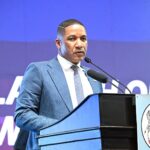
Minister of International Relations Honourable Dr Phenyo Butale also commended the organisers for creating a platform that brings different stakeholders together to discuss issues affecting the future of the region. He described the summit’s theme as timely and significant because peace, policy and prosperity are closely connected. Stable societies create stronger conditions for investment, education, employment and long-term development, while effective policies help governments respond to the needs of their citizens. Prosperity becomes more meaningful when people can access education, skills, employment, entrepreneurship, investment and opportunities for economic participation. For young people in particular, these elements can determine whether they are able to build sustainable livelihoods and contribute to the development of their communities.
Minister Butale noted that peace provides the foundation for stability and sustainable development, while sound and inclusive policies provide the framework through which societies respond to the needs of their citizens. He said prosperity is realised when people have access to education, skills, employment, entrepreneurship, investment and meaningful economic participation. His comments linked the three central elements of SAYPEDS 2026 into a broader development agenda for Southern Africa. Without peace and stability, economic opportunities can become difficult to sustain, while weak policies can prevent communities from benefiting fully from available resources. At the same time, economic exclusion can create frustrations that undermine social cohesion, making youth economic participation an important part of the wider regional development conversation.
The changing nature of work was another important consideration raised at the summit. Minister Butale pointed to digital transformation, technological innovation and changing labour-market demands as forces reshaping the skills required by employers and industries. This means young people need opportunities to develop technical abilities, digital skills, entrepreneurial knowledge and adaptable professional capabilities. Education and training systems must also respond to changing economic conditions so that qualifications remain relevant to emerging industries and employment opportunities. Preparing young people for the future therefore requires cooperation between governments, educational institutions, businesses and other stakeholders that understand the changing demands of the labour market.
Minister Butale further encouraged young people to prepare themselves not only to participate in national economies but also to take advantage of regional and global opportunities. Southern Africa’s young population operates in an increasingly connected economic environment where digital platforms can create opportunities beyond national borders. Skills in technology, entrepreneurship, communication and specialised professional fields can help young people compete for opportunities across the region and internationally. However, access to information, networks, technology and relevant training remains essential if young people are to take advantage of these opportunities. This reinforces the summit’s wider focus on ensuring that youth development programmes address access alongside skills and ambition.
The inclusion of an exhibition component at SAYPEDS 2026 also provided a practical dimension to the summit. Minister Butale noted that exhibitions can help young people discover services, products, entrepreneurship opportunities, institutions and networks that may support their personal and professional development. Such spaces can connect young entrepreneurs with potential customers, investors, mentors and partners while giving young people greater exposure to organisations working in different sectors. These interactions can be particularly valuable for individuals who may not otherwise have direct access to professional networks. The exhibition therefore complemented the summit’s discussions by creating opportunities for participants to move from conversation towards connections that could support future initiatives.
The final measure of SAYPEDS 2026 will depend on what happens after the discussions end. Minister Butale said the true measure of the summit should be whether its recommendations are pursued, opportunities are created and young people experience meaningful and lasting change. This places responsibility on governments, development partners, businesses, civil society and young people themselves to convert discussions into practical action. Policies need implementation, programmes need measurable outcomes and young people need clear pathways into employment, entrepreneurship, leadership and decision-making. If the commitments discussed at SAYPEDS 2026 translate into sustained action, the summit can contribute to a stronger youth development agenda across Southern Africa and help build a region where young people are active participants in peace, policy and economic development.