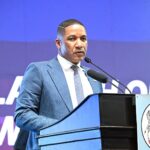
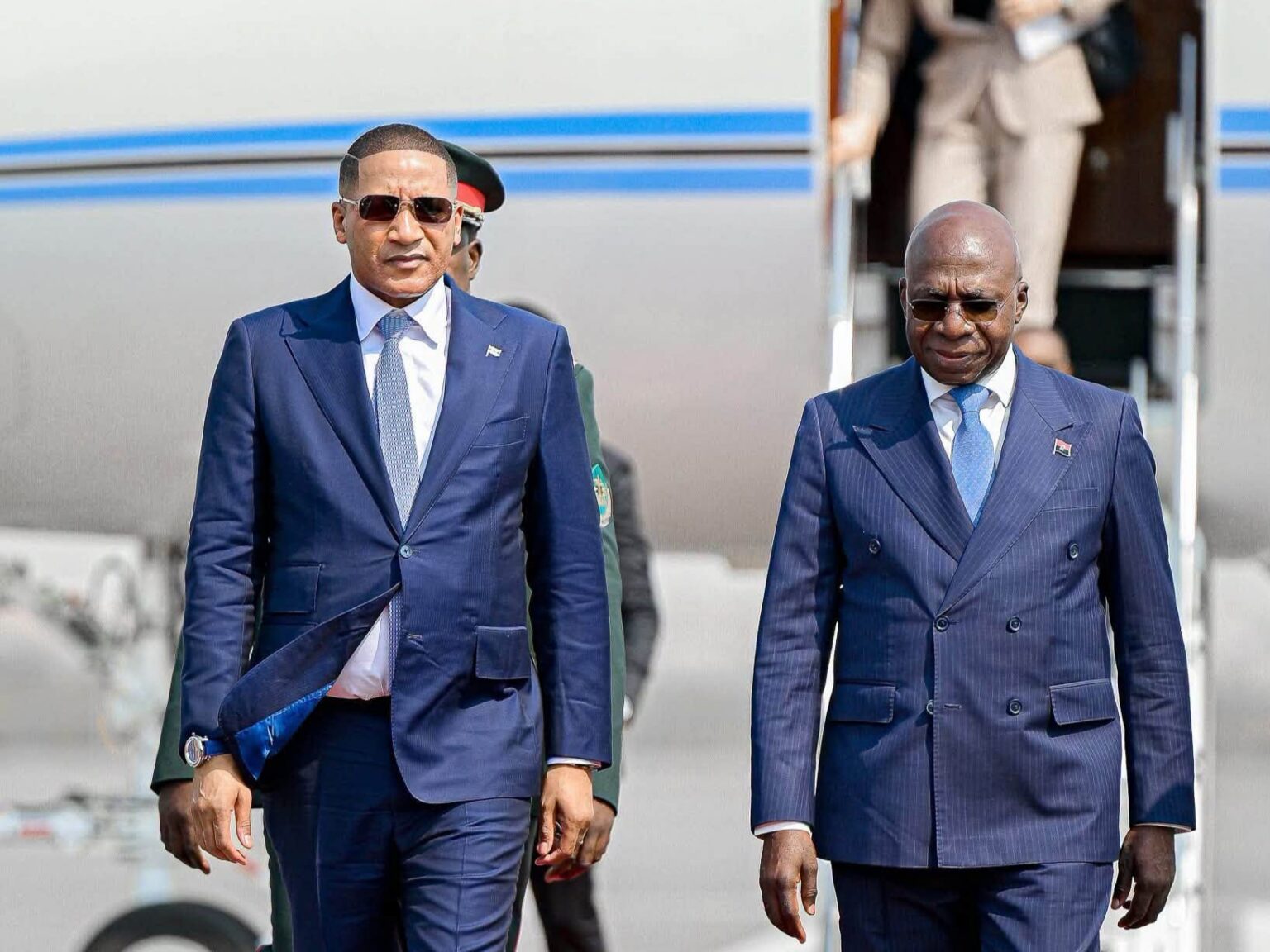
President Duma Boko is on a State Visit to Luanda, Angola, in a high-level diplomatic engagement aimed at strengthening the long-standing political and economic relationship between Botswana and Angola. The visit was extended by Angolan President João Manuel Gonçalves Lourenço as the two countries seek to build on their existing cooperation and identify new areas of mutual benefit. The engagement comes at an important time as both governments look to translate diplomatic relations into practical economic opportunities. Discussions during the visit are expected to focus on sectors that can support investment, trade, infrastructure development and regional connectivity. The State Visit therefore represents an opportunity for Botswana and Angola to deepen their partnership while creating a stronger foundation for cooperation that can deliver tangible benefits to both countries.
The visit builds on a series of diplomatic engagements that have strengthened relations between Botswana and Angola in recent years. President Lourenço visited Botswana in July 2023, providing an opportunity for the two countries to discuss areas of shared interest and cooperation. President Boko subsequently undertook a working visit to Angola in March 2026, continuing the momentum between the two governments. Earlier this month, the inaugural session of the Botswana-Angola Joint Permanent Commission was also concluded, creating another important platform for advancing bilateral cooperation. These engagements demonstrate a growing effort by the two countries to move their relationship beyond political goodwill towards more structured and practical collaboration.
A major focus of the State Visit will be unlocking commercial opportunities across several strategic sectors. The two leaders are expected to discuss concrete frameworks for strengthening economic links, with mining, energy, transport, food security, tourism and regional connectivity identified as key areas of interest. These sectors have the potential to support investment and create opportunities for businesses in both countries. Stronger cooperation could also help improve the movement of goods, services and people while supporting wider regional economic integration. By placing commercial cooperation at the centre of the discussions, Botswana and Angola are positioning their diplomatic relationship to contribute more directly to economic growth and development.
Mining is expected to be one of the important areas of discussion given the significance of natural resources to both economies. Botswana has established a strong reputation in the global mining industry, while Angola also possesses substantial mineral and natural resource potential. Greater cooperation in this sector could create opportunities for investment, technical collaboration and knowledge sharing. Discussions around mining could also extend to the broader value chain, including processing, infrastructure and services that support mineral production. Exploring these opportunities could help both countries maximise the economic contribution of their natural resources while encouraging stronger private-sector participation.
Energy cooperation is another strategic area that could gain greater attention during the State Visit. Angola has significant experience and infrastructure in the energy sector, making it an important potential partner as Botswana considers opportunities to strengthen its own energy security and expand economic activity. President Boko’s planned visit to the Lobito Oil Refinery highlights the interest being placed on energy-sector collaboration during the trip. A visit to a major industrial facility can provide an opportunity to understand Angola’s energy infrastructure and explore areas where technical, commercial or investment partnerships could develop. The focus on energy also reflects the importance of reliable and sustainable energy supplies to industrialisation, economic growth and long-term development.
Transport and regional connectivity are also central to the discussions because efficient infrastructure is critical to expanding trade between African countries. Improved transport links can reduce logistical challenges, support businesses and make it easier for goods to reach regional and international markets. Angola’s strategic position on the Atlantic coast also gives it an important role in regional trade and transport networks. Cooperation between Botswana and Angola could therefore create opportunities to improve connections between landlocked Botswana and international markets. Greater connectivity could support trade while also strengthening links between southern and central parts of the continent.
Food security is another area where closer cooperation could have practical significance for both countries. Agriculture, food production and reliable supply chains are important to economic stability, particularly as countries seek to reduce vulnerabilities caused by disruptions in global markets. Botswana and Angola can explore opportunities for cooperation in agricultural production, food processing, investment and the movement of agricultural products. Partnerships in this area could support greater resilience while creating opportunities for businesses operating across the agricultural value chain. Including food security in high-level bilateral discussions demonstrates that the relationship is focused not only on large infrastructure and investment projects but also on issues that directly affect communities and consumers.
The formal establishment of the Botswana-Angola Bi-National Commission will be one of the major highlights of the State Visit. President Boko and President Lourenço are expected to oversee the signing of the Agreement on the Establishment of the Botswana-Angola Bi-National Commission, which will provide a primary framework for coordinating bilateral cooperation. A formal commission can help create greater structure around discussions between the two countries and provide mechanisms for following up on agreements and areas of mutual interest. It can also bring different sectors of government and stakeholders into a more coordinated process. The establishment of the BNC therefore has the potential to strengthen institutional cooperation and ensure that commitments made at political level translate into sustained programmes and partnerships.
The Botswana-Angola Business Forum will provide another important platform during the visit, particularly for strengthening private-sector engagement. President Boko is expected to officiate at the forum, where business leaders and other stakeholders will have an opportunity to explore commercial opportunities between the two countries. Government-to-government agreements can provide an important foundation, but sustained economic cooperation also depends on businesses identifying viable investment and trade opportunities. A business forum can help companies understand the markets, identify potential partners and explore areas where their products, services or expertise can contribute to bilateral trade. The event could therefore play an important role in connecting the political objectives of the State Visit with practical opportunities for businesses.
The combination of diplomatic engagements, institutional cooperation and business-focused activities gives President Boko’s State Visit to Angola a broad strategic significance. The visit builds on years of relations while responding to the need for stronger economic partnerships and greater regional cooperation. The signing of the Bi-National Commission agreement, discussions on strategic sectors, the Business Forum and the planned Lobito Oil Refinery visit all point towards a relationship increasingly focused on practical outcomes. For Botswana and Angola, the challenge will be maintaining the momentum created by these engagements and ensuring that agreements lead to measurable cooperation, investment and economic opportunities. President Boko’s State Visit ultimately signals a renewed effort by the two countries to strengthen their partnership and build a more structured relationship capable of supporting trade, investment, regional connectivity and shared development goals.