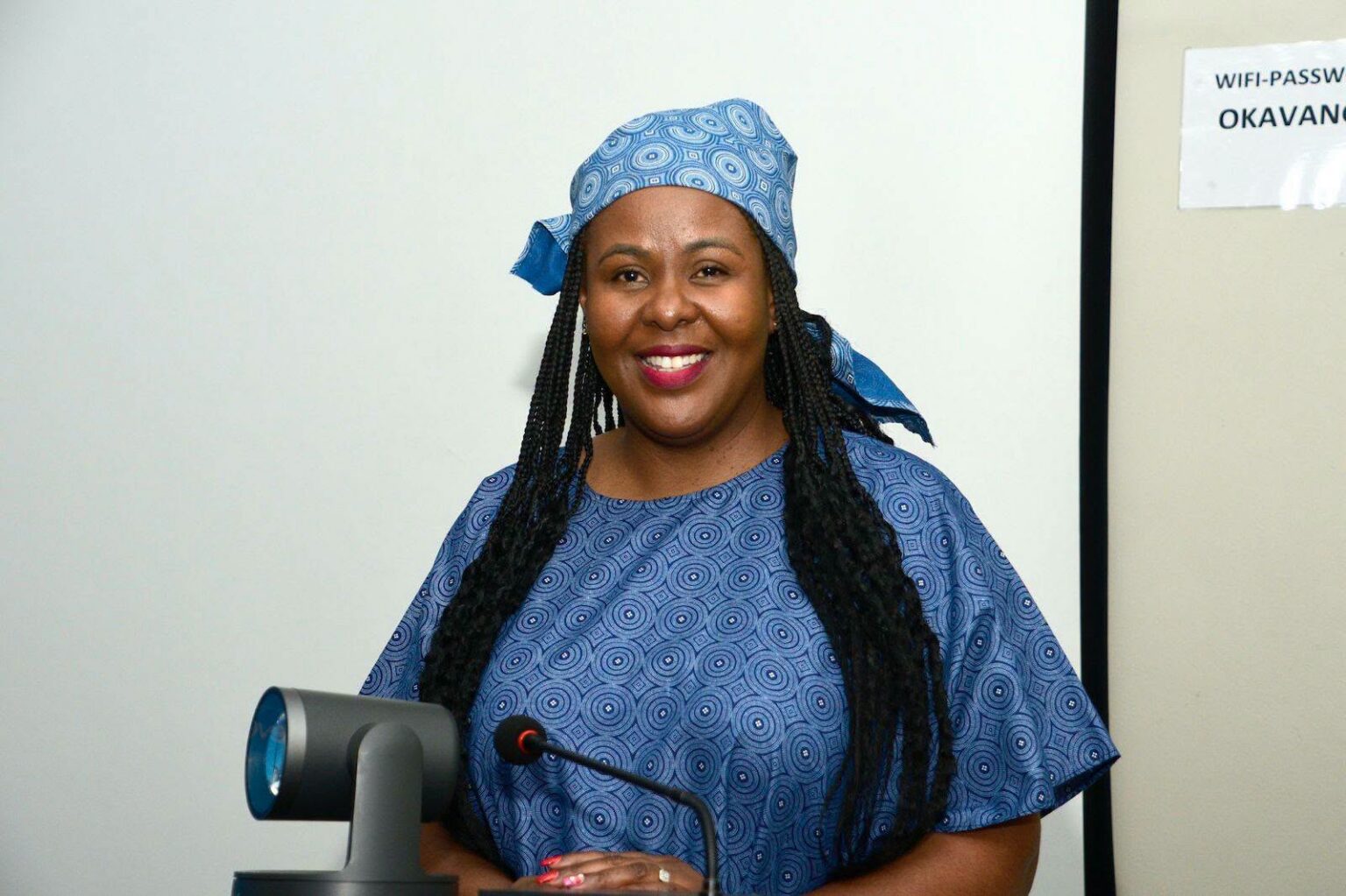
The Ministry of Health, together with its partners, successfully hosted the Nurturing Care for Early Childhood Development (ECD) Training from 19 to 23 October 2026 in Gaborone, Botswana. The five-day training brought together 35 government officers working across health, nutrition, education, child protection and community services to strengthen their knowledge and skills in supporting young children during their most important years of development. The initiative focused on improving the planning and delivery of integrated services that enable children to survive, thrive, learn and reach their full potential. By bringing professionals from different sectors together, the training encouraged a shared understanding of early childhood development and the importance of coordinated support for children and their families. The event represents an important step towards strengthening nurturing care services and promoting the well-being of young children across Botswana.
Early childhood development is a critical stage of human growth that lays the foundation for lifelong health, learning and social well-being. During the early years, children experience rapid physical, cognitive, emotional and social development, making access to appropriate care and support essential. Their development depends not only on healthcare but also on adequate nutrition, responsive caregiving, early learning opportunities and protection from harm. When these needs are addressed together, children have better opportunities to develop essential skills, build healthy relationships and prepare for future learning. This is why nurturing care for early childhood development is an important approach for governments and communities seeking to improve outcomes for children and strengthen the long-term development of their countries.
The Nurturing Care Framework provides a useful approach to understanding and addressing the different needs of young children. It emphasizes good health, adequate nutrition, responsive caregiving, opportunities for early learning and safety and security. These elements work together to support children’s development, particularly during the period when their brains and bodies are growing rapidly. A child may receive medical treatment when sick, for example, but also needs nutritious food, attentive caregivers, opportunities to explore and learn and a safe environment in which to grow. Addressing these needs through connected services helps families receive more comprehensive support and reduces the risk of important developmental needs being overlooked.
The training in Gaborone brought together 35 officers from sectors that play different but complementary roles in early childhood development. Health professionals contribute to maternal and child healthcare, disease prevention, growth monitoring and developmental support. Nutrition officers help promote appropriate feeding practices and identify nutritional concerns, while education professionals support early learning and school readiness. Child protection and community services officers help identify vulnerable children, support families facing challenges and connect them with relevant services. By participating in a common training programme, these officers had an opportunity to strengthen their understanding of how their responsibilities relate to the broader goal of improving outcomes for young children.
One of the key objectives of the training was to build a common understanding of early childhood development among government officers from different sectors. A shared understanding is important because professionals may approach children’s needs from the perspective of their individual responsibilities, even when those needs require a coordinated response. The training helped participants consider how health, nutrition, education, protection and community services can work together to provide more comprehensive care. This approach encourages professionals to recognize the links between their respective roles and identify opportunities for collaboration. A common foundation can also help government institutions develop more consistent approaches to supporting young children and their caregivers across different communities.
Improving coordination and referral systems was another important outcome of the training. Children and families may need assistance from several services, particularly when they face health concerns, nutritional challenges, developmental delays or protection risks. Without effective coordination, families can struggle to navigate services, while professionals may lack the information needed to connect children with the right support. Strong referral systems help ensure that identified needs lead to appropriate follow-up and that families are directed to the services best suited to their circumstances. Strengthening these systems can help improve continuity of care, reduce gaps in support and make it easier for different professionals to work towards shared outcomes.
The training also highlighted the importance of collaboration between government officers and the wider community. Parents and caregivers play a central role in children’s early development, but they may need guidance, information and practical assistance to provide nurturing environments. Health facilities, schools, community organisations and social support services can help families access this assistance at different stages of a child’s development. When these services communicate effectively, they can respond more consistently to children’s needs and help caregivers understand where to seek support. A coordinated approach also creates opportunities to identify vulnerable families earlier and connect them with available services before challenges become more difficult to address.
An important achievement of the five-day programme was the development of a multisectoral action plan for scaling up nurturing care services in Botswana. The plan provides a foundation for translating the knowledge gained during the training into coordinated action across relevant sectors. Multisectoral planning is important because expanding early childhood development services requires more than the efforts of individual departments or professionals. It involves identifying shared priorities, clarifying responsibilities, improving coordination and considering how services can reach children and families in different settings. The action plan can support these efforts by giving participating sectors a common direction for strengthening nurturing care, although its long-term impact will depend on implementation, available resources, continued collaboration and effective monitoring.
Scaling up nurturing care services can also contribute to more equitable opportunities for children across Botswana. Families differ in their access to healthcare, nutritious food, early learning and social support, and some children may face greater barriers because of their circumstances or location. Coordinated services can help identify these gaps and guide efforts to make support more accessible to those who need it. Community-based approaches are particularly valuable because they can connect families with relevant services close to where they live. By strengthening links between formal services and community support systems, Botswana can work towards a more inclusive approach to early childhood development that recognizes the needs of children from different backgrounds.
The success of the training will depend on how effectively participants apply their knowledge in their respective workplaces. Government officers can help turn the training outcomes into practical improvements by strengthening referral pathways, sharing information across sectors and integrating nurturing care principles into relevant programmes and services. Continued collaboration will also be important to address implementation challenges and ensure that responsibilities remain clear. Monitoring progress can help identify what is working, where gaps remain and which areas require additional support. Over time, these efforts can help build a stronger foundation for coordinated early childhood development services throughout Botswana.
Investing in early childhood development is an investment in Botswana’s future. Children who receive appropriate care, nutrition, protection and opportunities to learn are better positioned to develop the abilities they need throughout life. Supporting children during their early years also recognizes the important role of parents, caregivers, communities and public institutions in shaping future well-being. The Nurturing Care for Early Childhood Development Training held in Gaborone from 19 to 23 October 2026 brought together 35 government officers to strengthen the shared knowledge, coordination and planning needed to support this goal. Through continued cooperation between the Ministry of Health, its partners and other sectors, Botswana has an opportunity to build on the training’s outcomes and expand access to integrated nurturing care services. Sustained commitment to this work can help more children survive, thrive, learn and reach their full potential, strengthening both individual lives and the country’s long-term development.