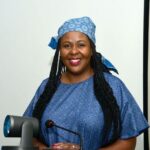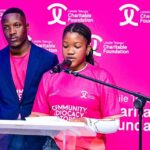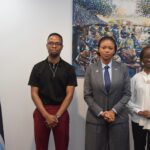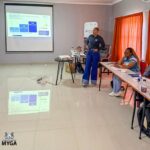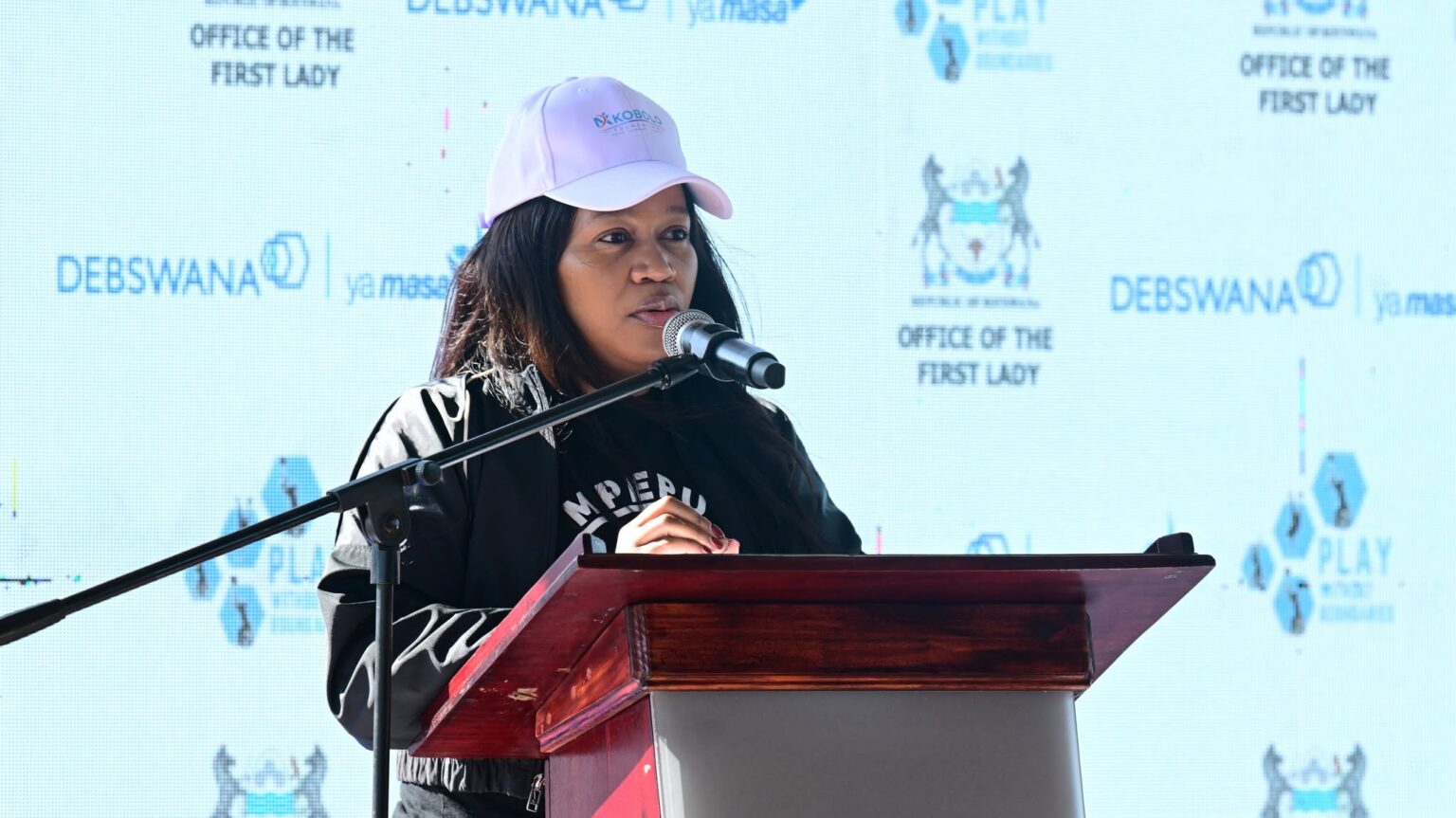
Through the Nkobolo Foundation’s Play Without Boundaries Programme, I spent the morning of 24 October 2026 with persons with disabilities. I sat in their spaces, shared their laughter and, for a few beautiful hours, saw the horizon through their eyes. The experience reminded me that inclusion is not simply a message we share during public events or a promise we make in speeches. It is a responsibility that calls for compassion, understanding and practical action. As we work towards a more inclusive Botswana, we must ensure that every individual, regardless of ability, has the opportunity to participate fully in society, pursue their dreams and live with dignity.
The Play Without Boundaries Programme, supported by the Nkobolo Foundation, highlights the importance of creating opportunities for persons with disabilities to participate in activities that promote social connection, confidence and belonging. Such initiatives offer valuable spaces where people can interact, express themselves and enjoy experiences that bring communities together. They also remind us that disability should never define the limits of a person’s potential or determine their place in society. Every person has unique abilities, talents, interests and aspirations that deserve recognition and encouragement. When communities create welcoming environments for everyone, they help build a society in which differences are respected and individual contributions are valued.
Spending time with persons with disabilities provided an important reminder that genuine inclusion begins with listening and understanding. Sitting alongside people, sharing conversations and enjoying moments of laughter can help break down assumptions that often separate communities. These interactions encourage us to recognise people as individuals rather than viewing them only through the lens of disability. They also challenge us to reflect on the physical, social and attitudinal barriers that can prevent people from accessing opportunities available to others. By taking time to understand different experiences, we become better equipped to create communities where everyone feels seen, respected and accepted.
The message behind Play Without Boundaries extends beyond a single morning or a particular programme. It speaks to the need for sustained efforts to ensure that persons with disabilities can access education, healthcare, employment, recreation and public spaces without unnecessary obstacles. Inclusion must be reflected in the decisions we make, the facilities we build and the attitudes we encourage in our homes, schools, workplaces and communities. Accessible buildings, appropriate communication support and inclusive recreational activities can make a meaningful difference in people’s everyday lives. Equally important is the willingness to challenge discrimination, listen to people with disabilities and involve them in decisions that affect their futures.
Building an inclusive Botswana requires the participation of government institutions, community organisations, private businesses, families and individuals. Each has a role to play in identifying barriers and developing practical ways to remove them. Schools can promote inclusive learning environments where children with different abilities learn and grow together. Employers can create accessible workplaces and recognise the skills and contributions of persons with disabilities. Community leaders and organisations can expand opportunities for participation in sports, arts, cultural activities and social programmes, ensuring that people are not excluded because of their support needs. These actions can help transform inclusion from an aspiration into a lived experience.
The Nkobolo Foundation’s Play Without Boundaries Programme also draws attention to the importance of recreation, friendship and shared experiences in building stronger communities. Play creates opportunities for people to connect beyond differences and discover the common interests that unite them. For persons with disabilities, inclusive recreational activities can provide opportunities for self-expression, social engagement and personal development. Such experiences also help families and communities appreciate the importance of creating spaces where everyone can participate meaningfully. When activities are designed with accessibility and individual needs in mind, they send a powerful message that every person deserves the chance to enjoy life and contribute to the community.
However, meaningful inclusion cannot depend on occasional events alone. While awareness programmes are important, their impact must continue long after participants return home. Communities must examine whether public spaces are accessible, whether information is available in formats people can use and whether persons with disabilities have equal opportunities to make choices about their lives. Organisations should also seek feedback directly from persons with disabilities rather than making assumptions about what they need. Their experiences and perspectives must guide the programmes, policies and services intended to support them. Moving from conversations to action requires consistent effort, accountability and a willingness to learn from the people whose lives these initiatives seek to improve.
As Botswana continues to strengthen its commitment to human dignity and equal opportunity, the voices of persons with disabilities must remain central to discussions about national development. An inclusive society is one in which people are not merely present but are welcomed, heard and empowered to participate. It is a society that recognises accessibility as an essential part of everyday life and understands that equal opportunity benefits the wider community. When barriers are removed, individuals can contribute their skills, knowledge and creativity more fully. Inclusion therefore represents not only a social responsibility but also an opportunity to build stronger families, more resilient communities and a nation that values every citizen.
The morning of 24 October 2026 was a reminder that a better future begins with the way we treat one another today. Through the Nkobolo Foundation’s Play Without Boundaries Programme, I shared moments that reinforced the importance of compassion, connection and respect for the experiences of persons with disabilities. Yet the true measure of such an experience lies in what we choose to do afterwards. We must continue breaking down barriers, expanding opportunities and creating environments in which every individual can participate, excel and belong. Let us all join hands in making the horizon even better, moving beyond conversations to meaningful action and ensuring that kindness and inclusion become bridges that connect us all.