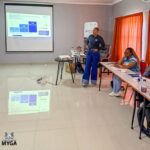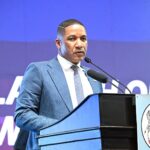
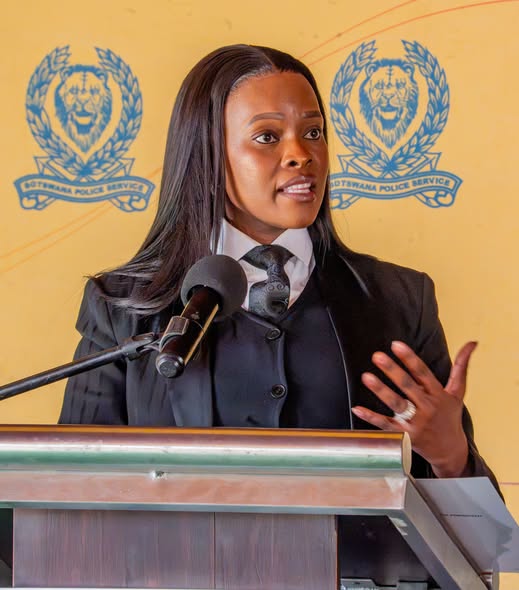
The fight against drug trafficking and substance abuse in Botswana is receiving renewed attention as government strengthens the skills and capacity of officers responsible for narcotics enforcement. Assistant Minister for State President, Defence and Security, Honourable Maipelo Mophuting-Dikoloti, yesterday, 31 August 2026, officially opened the Narcotics Investigation and Enforcement Course at Botswana Police College in Otse. The six-month programme is specifically designed for officers from the Drug Enforcement Agency (DEA) and aims to strengthen their ability to investigate and enforce laws relating to narcotics. A total of 32 trainees have been selected to participate in the specialised course. The initiative highlights the importance of professional training in equipping law enforcement officers to respond effectively to the challenges associated with drug trafficking and substance abuse.
The course is being facilitated by the Botswana Police Service (BPS) and has been developed exclusively for DEA officers. Its specialised focus allows trainees to concentrate on investigative and enforcement methods that are directly relevant to narcotics-related cases. Over the six-month period, the 32 officers are expected to strengthen their knowledge and practical capabilities in dealing with offences involving controlled substances. Effective narcotics enforcement requires officers to understand legislation, investigative procedures and enforcement techniques while also being able to respond to increasingly complex criminal activities. By providing dedicated training in these areas, the programme can contribute to a more capable and coordinated response to drug-related crime.
Speaking at the official opening, Honourable Mophuting-Dikoloti emphasised the importance of equipping officers with advanced investigative and enforcement techniques. Drug-related offences can present complex challenges for law enforcement agencies because investigations may involve organised networks, multiple jurisdictions and sophisticated methods of concealment and distribution. Officers therefore require appropriate knowledge and practical skills to gather information, conduct investigations and enforce relevant statutes effectively. Specialised training can help strengthen the ability of officers to handle these responsibilities while ensuring that investigations are conducted professionally and within the law. The Assistant Minister’s remarks underline the government’s recognition that effective enforcement depends heavily on the quality and preparedness of the officers responsible for carrying it out.
The six-month course also reflects the importance of continuous professional development within law enforcement institutions. Training does not only improve individual officers’ knowledge, but can also strengthen the overall effectiveness of agencies responsible for protecting communities. As patterns of drug trafficking and substance abuse change, law enforcement officers need to remain informed about investigative approaches and enforcement practices. A specialised programme gives participants an opportunity to build their expertise while learning within an environment focused specifically on narcotics-related challenges. The knowledge and experience gained during the course can subsequently be applied to investigations and enforcement operations carried out by the DEA.
Honourable Mophuting-Dikoloti also commended the leadership of both the Botswana Police Service and the Drug Enforcement Agency for their continued commitment to combating drug trafficking and substance abuse. The recognition highlights the importance of cooperation between institutions with responsibilities in public safety and narcotics enforcement. Combating drug-related crime requires sustained efforts rather than isolated interventions, particularly when authorities are dealing with networks involved in the movement and distribution of illegal substances. Strong institutional leadership can help maintain focus on prevention, investigation and enforcement while supporting officers who work on the front lines. The continued commitment of the BPS and DEA therefore remains important to the country’s broader efforts to address the impact of narcotics on communities.
The participation of 32 DEA officers in the programme represents an opportunity to strengthen specialised expertise within the agency. Each trainee will have the opportunity to develop skills that can contribute to more effective investigations and enforcement activities once the course is completed. Building a larger pool of officers with specialised narcotics knowledge can also improve the agency’s ability to respond to cases and support other law enforcement operations. The benefits of such training can extend beyond the individual participants if the officers share their knowledge and apply their skills within their respective teams. This makes investment in specialised training an important component of strengthening institutional capacity.
Drug trafficking and substance abuse can have consequences that extend beyond criminal justice, affecting families, communities and public safety. Effective law enforcement forms one part of the wider response required to address these challenges. Officers need to investigate trafficking activities and enforce narcotics laws, while other stakeholders can contribute through prevention, education, treatment and community support. The specialised training being provided to DEA officers strengthens the enforcement component of this broader response. It also reinforces the need for agencies to remain prepared to deal with emerging challenges associated with the illegal distribution and use of narcotics.
The location of the programme at Botswana Police College in Otse also provides a suitable environment for specialised law enforcement training. The involvement of the Botswana Police Service allows the DEA trainees to benefit from the expertise and institutional experience available within the police training system. Cooperation between the BPS and DEA can strengthen professional relationships and encourage greater coordination between agencies involved in combating narcotics-related offences. Such collaboration is particularly important when cases require different agencies to work together to gather information and enforce the law. The course therefore serves not only as a training opportunity but also as a platform for strengthening institutional cooperation.
The opening of the Narcotics Investigation and Enforcement Course signals Botswana’s continued focus on developing a well-trained and capable law enforcement workforce. The six-month programme gives the 32 DEA trainees an opportunity to build advanced investigative and enforcement skills that can be applied to narcotics-related cases. Honourable Maipelo Mophuting-Dikoloti’s emphasis on advanced training and her commendation of the BPS and DEA leadership reinforce the importance of sustained investment in the fight against drug trafficking and substance abuse. As the trainees progress through the course, the skills they acquire can contribute to stronger investigations and more effective enforcement of narcotics legislation. The initiative ultimately demonstrates that specialised training remains an important part of protecting communities and strengthening Botswana’s response to drug-related challenges.