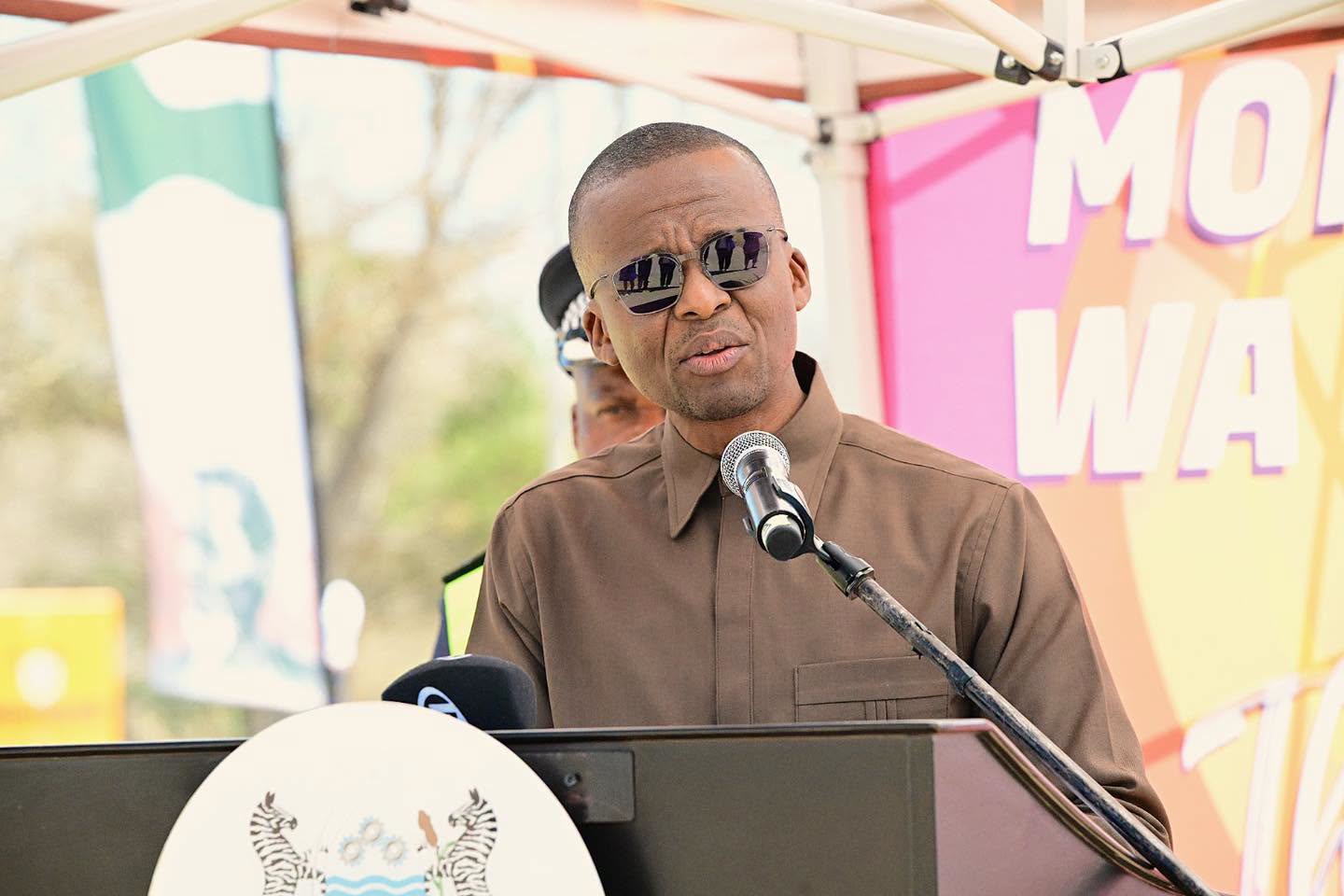
Vice President and Minister of Finance Ndaba Gaolathe has called on the Batlokwa to use their rich cultural heritage as a foundation for economic resilience, self-sustenance and opportunities for future generations. Gaolathe made the remarks while joining the Batlokwa at their annual cultural festival, Mafifatshwana, which was held under the theme “Building Economic Resilience and Self-Sustenance through Cultural Preservation.” The festival provided an opportunity for the community to celebrate its identity while reflecting on how cultural preservation can contribute to economic development. Gaolathe said the Batlokwa have the capacity to work with the resources available to them, protect what is valuable and create new possibilities for those who will follow. His message placed culture at the centre of broader conversations about community development, entrepreneurship and Botswana’s economic future.
Gaolathe said the Government has learned, sometimes through difficult experience, that meaningful national transformation cannot be achieved from government offices alone. He stressed that sustainable development requires active participation from citizens, entrepreneurs, communities and other stakeholders who understand the resources and opportunities available within their own environments. According to the Vice President, Botswana’s next chapter will depend on people who are willing to identify their assets and turn them into productive ventures. This approach places greater emphasis on local initiative, innovation and community participation in addressing economic challenges. It also recognises that government can provide support and create an enabling environment, but communities must play a central role in driving sustainable economic activity.
The Mafifatshwana festival therefore served as more than a cultural gathering, as it also created space to consider the economic possibilities contained within Batlokwa heritage. Gaolathe reminded the community that its songs, architecture, cuisine, language and stories all carry significant cultural value. He pointed out that these elements can also have economic value when they are preserved, developed and presented responsibly. Cultural festivals can create opportunities for local businesses, artisans, performers, food producers and tourism-related enterprises while strengthening community identity. By connecting cultural preservation with entrepreneurship, communities can create income-generating activities without losing the traditions that make their heritage distinctive.
One of the cultural practices that particularly captured Gaolathe’s attention was Dikgafela, which involves bringing the harvest into communal life. He described the practice as representing an ethic of provision, stewardship and preparation for periods when others may need support. The principle behind Dikgafela offers an important lesson about the value of collective responsibility and long-term planning. It demonstrates how traditional practices can contain ideas that remain relevant to modern economic challenges, including food security, resource management and community resilience. Preserving such practices can therefore contribute not only to cultural continuity but also to conversations about how communities can build stronger systems of self-reliance.
The Vice President encouraged the Batlokwa to strengthen their institutions and develop clear propositions that can attract investment and partnerships. Strong community institutions can help organise cultural assets, coordinate projects and ensure that opportunities benefit the wider community. Well-developed proposals can also make it easier for businesses, investors and development partners to understand the potential of cultural initiatives and identify areas where they can contribute. This could open opportunities across areas such as cultural tourism, traditional crafts, food production, events, creative industries and heritage conservation. For these opportunities to succeed, however, communities need effective leadership, sound governance, financial discipline and clear plans for turning ideas into sustainable enterprises.
The focus on investment and partnerships also highlights the importance of moving beyond simply celebrating culture towards developing practical economic models around it. A cultural festival can support local vendors and performers, but its impact can become much greater when communities build businesses and institutions that continue operating beyond the event itself. Batlokwa entrepreneurs could potentially develop products and services inspired by their heritage while maintaining authenticity and respecting cultural knowledge. This could include traditional foods, crafts, clothing, architecture, storytelling, music and cultural experiences that appeal to both local audiences and visitors. Such initiatives could create employment while giving younger generations practical reasons to learn, preserve and develop their cultural inheritance.
Gaolathe also directed an important message towards the youth, reminding them that their grandparents preserved the cultural inheritance they have today. He challenged the younger generation to think beyond simply receiving that inheritance and instead consider what else it can become. This means combining respect for traditional knowledge with education, technology, entrepreneurship and new ideas. Young people can play an important role in documenting cultural practices, promoting them through digital platforms and developing modern businesses that remain connected to their roots. Their involvement will be essential if cultural preservation is to remain relevant in a changing economy.
The theme of Mafifatshwana reflects a broader understanding that cultural preservation and economic development do not have to operate separately. Communities can protect their identity while also exploring responsible ways to create livelihoods from cultural assets. This requires careful planning because commercialising culture without proper community participation can create challenges around ownership, authenticity and the protection of traditional knowledge. The emphasis should therefore remain on community benefit, responsible preservation and sustainable economic activity. When communities control and understand the value of their heritage, cultural development can become a meaningful part of broader economic resilience.
Gaolathe’s participation in the annual Mafifatshwana festival consequently reinforced the importance of placing communities at the centre of Botswana’s development ambitions. His message to the Batlokwa was not simply to preserve the past, but to examine how the knowledge, traditions and resources inherited from previous generations can support the future. The festival demonstrated how cultural celebrations can create opportunities for reflection on entrepreneurship, investment, food security, community institutions and youth development. Dikgafela, in particular, offered a powerful example of how traditional values surrounding provision and stewardship can inform contemporary thinking about resilience and self-sustenance. For the Batlokwa, the challenge now is to translate these principles into practical initiatives that strengthen their community and create lasting economic opportunities.
Mafifatshwana has therefore highlighted the potential that exists when cultural identity becomes part of a wider development strategy. Gaolathe’s call for the Batlokwa to recognise their own assets and develop propositions capable of attracting partnerships places responsibility and opportunity within the community itself. Their songs, stories, language, cuisine, architecture and traditions represent more than reminders of the past, as they can also inspire enterprises, employment and investment when developed thoughtfully. The youth now have a key role in carrying this inheritance forward while discovering new ways to give it relevance in the modern economy. By combining cultural preservation with entrepreneurship, strong institutions and community participation, the Batlokwa can help demonstrate how heritage can contribute to economic resilience and self-sustenance for generations to come.