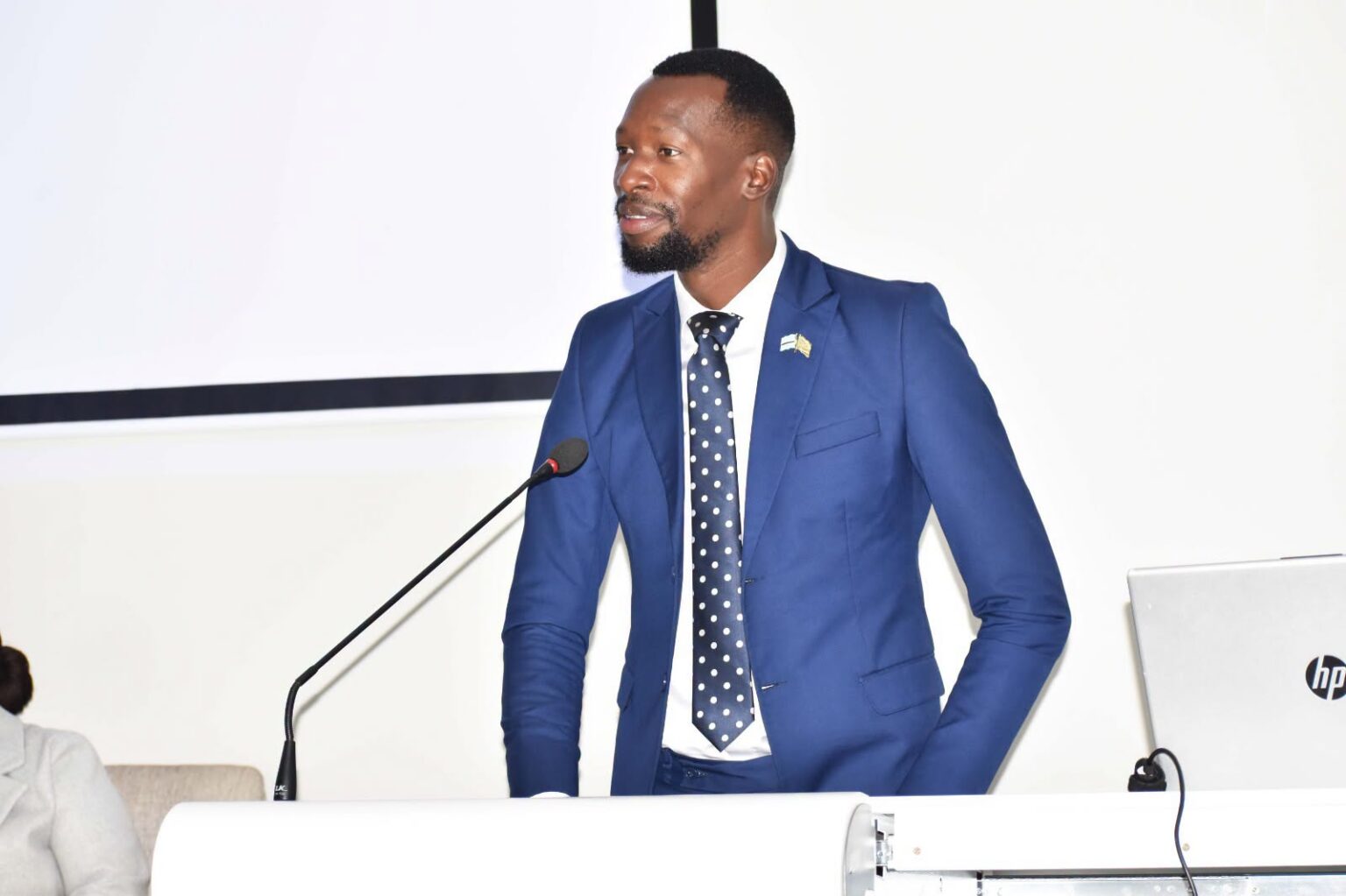
Botswana is taking an important step towards strengthening access to healthcare with the development of an Essential Health Services Package for the Ministry of Health. Assistant Minister of Health Hon. Lawrence Ookeditse officially opened a five-day workshop focused on developing the package and establishing a foundation for the National Health Insurance benefits package. The initiative brings together health professionals from both the public and private sectors to assess which healthcare services should be prioritised for the population. The discussions are expected to consider Botswana’s health needs, disease burden and the realities of delivering services across the country. By developing a practical and evidence-based Essential Health Services Package, Botswana aims to strengthen healthcare planning and move closer to achieving universal health coverage.
During his address, Assistant Minister Ookeditse reminded participants that the decisions made during the five-day engagement will have a direct impact on the people of Botswana. He urged the participants to engage meaningfully and carefully consider the consequences of their recommendations. His message highlights the importance of ensuring that the Essential Health Services Package reflects the actual healthcare needs of the population rather than being based solely on institutional priorities. The package will influence which services receive attention and how healthcare resources are directed across different areas. Participants therefore carry a significant responsibility because their recommendations could shape access to essential healthcare for many Batswana.
An Essential Health Services Package is a set of prioritised health interventions that a government decides to make available to its population. These interventions can include promotive, preventive, curative, rehabilitative and palliative healthcare services. The purpose is to identify the services that are considered essential based on the health needs of the population and the resources available within the healthcare system. Such a package can help governments establish clearer priorities when planning healthcare services and allocating limited resources. It can also provide a framework for progressing towards universal health coverage by ensuring that people have access to important health services without unnecessary barriers.
The development of Botswana’s EHSP is expected to take into account both the country’s health priorities and the practical constraints affecting service delivery. A health package must be realistic enough to implement while still addressing the conditions that place the greatest burden on the population. This means participants must consider factors such as disease patterns, available healthcare infrastructure, human resources, medicines, technology and financial resources. The process also requires careful consideration of the differences between communities and the various levels of healthcare delivery. A well-designed package should therefore balance what the population needs with what the healthcare system can sustainably provide.
The workshop has brought together health workers from both the public and private sectors, creating an opportunity for different parts of the healthcare system to contribute to the discussion. The involvement of professionals from both sectors can provide a broader understanding of healthcare delivery challenges and opportunities. Public-sector health workers can bring experience from government facilities and community-based services, while private-sector professionals can contribute perspectives from private healthcare settings. Bringing these viewpoints together can help identify gaps that may not be visible from one part of the health system alone. Collaboration can also help ensure that the final package is relevant across different healthcare environments.
One of the main objectives of the workshop is for participants to agree on which health services should be considered essential for Botswana. This requires them to assess the importance of different interventions and determine which services can have the greatest impact on population health. The process must consider both immediate healthcare needs and longer-term priorities that can improve health outcomes. Participants will also need to consider whether proposed services can be delivered consistently across the country. Reaching agreement on these priorities will provide an important foundation for developing a coherent Essential Health Services Package for the Ministry of Health.
Another major focus is identifying interventions that can address the highest proportion of Botswana’s disease burden. This approach can help ensure that limited healthcare resources are directed towards interventions with the greatest potential population-level impact. Addressing major causes of illness and death can improve health outcomes while helping the healthcare system use its resources more efficiently. Preventive services will also be important because reducing the occurrence or severity of diseases can lower pressure on hospitals and other healthcare facilities. At the same time, curative, rehabilitative and palliative services remain essential for people who already require medical treatment and ongoing care.
The development of the EHSP is also closely connected to plans for the National Health Insurance benefits package. Establishing a clear list of essential services can provide a basis for determining which healthcare interventions should be covered through national health insurance. This makes the workshop particularly important because decisions made during the engagement could influence how insured healthcare benefits are structured in the future. A clearly defined benefits package can help people understand the services available to them while giving healthcare providers and policymakers greater clarity. It can also support more strategic allocation of health financing by linking expenditure to agreed national health priorities.
The National Health Insurance benefits package will need to balance comprehensive healthcare access with financial sustainability. Covering every possible healthcare intervention may not be realistic within available resources, making prioritisation necessary. The Essential Health Services Package can help establish that prioritisation by identifying interventions that respond to the most significant health needs. Participants must therefore consider the potential benefits of each service alongside the resources required to provide it. Their decisions should ultimately support a health system that improves access while remaining capable of delivering services consistently over the long term.
The five-day workshop represents more than an administrative exercise because the outcome could influence the future direction of healthcare delivery in Botswana. Developing an effective EHSP requires evidence, professional knowledge and a clear understanding of the population’s needs. It also requires participants to consider how decisions will affect people in different communities and at different stages of life. The emphasis from Assistant Minister Ookeditse on meaningful engagement reinforces the need for participants to approach the process with responsibility and a strong focus on public interest. Their recommendations will need to support a healthcare system that responds to real health challenges while making effective use of available resources.
The development of Botswana’s Essential Health Services Package is an important step towards strengthening the country’s healthcare system and advancing universal health coverage. By bringing together public and private-sector health workers, the Ministry of Health is creating a platform for informed discussion about the services that matter most to the population. The final package should reflect Botswana’s disease burden, health priorities and service delivery realities while providing a practical foundation for the National Health Insurance benefits package. The decisions made during this workshop have the potential to influence healthcare access and resource allocation for years to come. As Assistant Minister Lawrence Ookeditse reminded participants, they are not simply developing a policy document, they are making decisions that will affect the health and future of their own people.