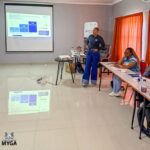

The third edition of the Tshwaragano/Hanganee bilateral training exercise between the Botswana Defence Force and the Namibia Defence Force is currently underway in Lobatse, bringing the two neighbouring countries together for two weeks of joint military training. The exercise forms part of ongoing efforts by Botswana and Namibia to strengthen defence cooperation and improve their ability to work together during security operations. It is being conducted under the theme “Enhancing Joint Cooperation, Ubuntu in Arms,” which reflects the emphasis on partnership, shared responsibility and mutual support between the two forces. The exercise is expected to provide participating personnel with an opportunity to improve their operational capabilities while strengthening relationships between the two defence institutions. Its broader objective is to contribute to regional peace and security by ensuring that the forces can cooperate effectively when faced with shared security challenges.
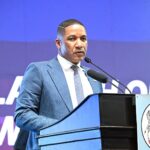
The official opening of the exercise will be conducted by Acting Botswana Defence Force Commander Lieutenant General Joseph Seelo. His participation in the opening underscores the importance attached to the bilateral training by Botswana’s defence leadership. Military exercises of this nature provide commanders and personnel with an opportunity to assess preparedness while identifying areas where cooperation can be improved. They also allow participating forces to develop a clearer understanding of each other’s procedures, capabilities and operational approaches. Through this interaction, the Botswana Defence Force and Namibia Defence Force can strengthen the professional relationships needed for effective cooperation in future regional security operations.
The Tshwaragano/Hanganee exercise is focused on strengthening operational readiness among the participating forces. Operational readiness refers to the ability of military personnel and units to respond effectively when required, based on appropriate training, planning, coordination and preparedness. Joint exercises provide an environment where personnel can test their capabilities in structured scenarios that require communication and cooperation. Working alongside another country’s defence force also introduces additional challenges because troops must coordinate across different organisational structures and operating procedures. These experiences can help improve adaptability and strengthen the ability of the two forces to operate together.
The theme of the exercise, “Enhancing Joint Cooperation, Ubuntu in Arms,” highlights the importance of cooperation between Botswana and Namibia. The concept of ubuntu places emphasis on humanity, solidarity and shared responsibility, values that can support strong relationships between neighbouring countries. In a military context, these principles can reinforce trust and mutual respect between personnel from different forces. Effective defence cooperation depends not only on equipment and operational capabilities but also on communication and confidence between participating units. The exercise therefore provides an opportunity to strengthen both practical military coordination and the relationships that support it.
Botswana and Namibia share geographical proximity and have longstanding links across social, economic and security spheres. Their cooperation in defence matters reflects the practical importance of maintaining strong relationships between neighbouring states. Security challenges can extend across national borders, making communication and coordination between neighbouring countries particularly important. Joint exercises allow defence forces to prepare for situations in which cooperation may be necessary to protect communities and maintain stability. The Tshwaragano/Hanganee exercise provides a structured platform for Botswana and Namibia to continue developing that cooperation.
The two-week duration of the exercise gives participants sufficient time to engage in sustained training and joint activities. Rather than focusing on a single training session, an extended exercise allows personnel to work through different aspects of operational coordination. Participants can strengthen their understanding of command structures, communication processes and the practical requirements of working alongside another defence force. Such training can also help identify areas that require further development before future exercises are conducted. The lessons gained during the two weeks can therefore contribute to longer-term improvements in bilateral defence cooperation.
Another important outcome of the exercise is the opportunity for the two forces to share professional knowledge and experience. Military personnel from Botswana and Namibia can learn from each other’s approaches to planning, coordination and operational preparedness. This type of interaction can strengthen individual skills while also improving institutional understanding between the two defence forces. It can help personnel become more comfortable working with counterparts from the neighbouring country. Over time, repeated joint exercises can contribute to stronger interoperability and more effective cooperation when regional security requirements arise.
The exercise also supports the wider objective of promoting peace and security in the region. Defence forces have an important role in maintaining national security, but cooperation between countries can strengthen broader regional stability. Joint training can help neighbouring states develop coordinated responses to security situations that may affect more than one country. It can also demonstrate a commitment to resolving shared security concerns through cooperation and preparedness. By improving their ability to work together, Botswana and Namibia can contribute to a more coordinated regional security environment.
For the participating personnel, the exercise represents an opportunity to put their training and professional skills into practice alongside counterparts from another country. Joint military activities require discipline, clear communication and a willingness to follow agreed procedures. Participants must also adapt to different working methods while maintaining focus on the objectives of the exercise. These demands can make bilateral exercises valuable for professional development and operational preparedness. The experience gained in Lobatse can strengthen the capabilities of individual personnel while contributing to the broader readiness of their respective forces.
The continuation of Tshwaragano/Hanganee into its third edition also demonstrates the value placed on maintaining regular defence cooperation between Botswana and Namibia. Repeated exercises create opportunities to build on lessons from previous engagements and improve future training. They can also help institutionalise cooperation by ensuring that relationships between personnel and defence structures continue to develop over time. This consistency is important because effective bilateral security cooperation requires more than occasional contact. Regular engagement allows both sides to strengthen trust, improve coordination and develop practical mechanisms for working together.
The third Tshwaragano/Hanganee bilateral training exercise in Lobatse represents another important step in strengthening defence cooperation between Botswana and Namibia. With two weeks of joint training taking place under the theme “Enhancing Joint Cooperation, Ubuntu in Arms,” the exercise is focused on improving operational readiness and building stronger professional links between the two forces. The involvement of Acting BDF Commander Lieutenant General Joseph Seelo in the official opening further highlights the importance of the exercise to Botswana’s defence cooperation efforts. Beyond the training itself, the initiative reflects a shared commitment to preparedness, cooperation and regional stability. As Botswana and Namibia continue to work together on defence matters, exercises such as Tshwaragano/Hanganee can help strengthen the capabilities and relationships needed to support lasting peace and security in the region.