
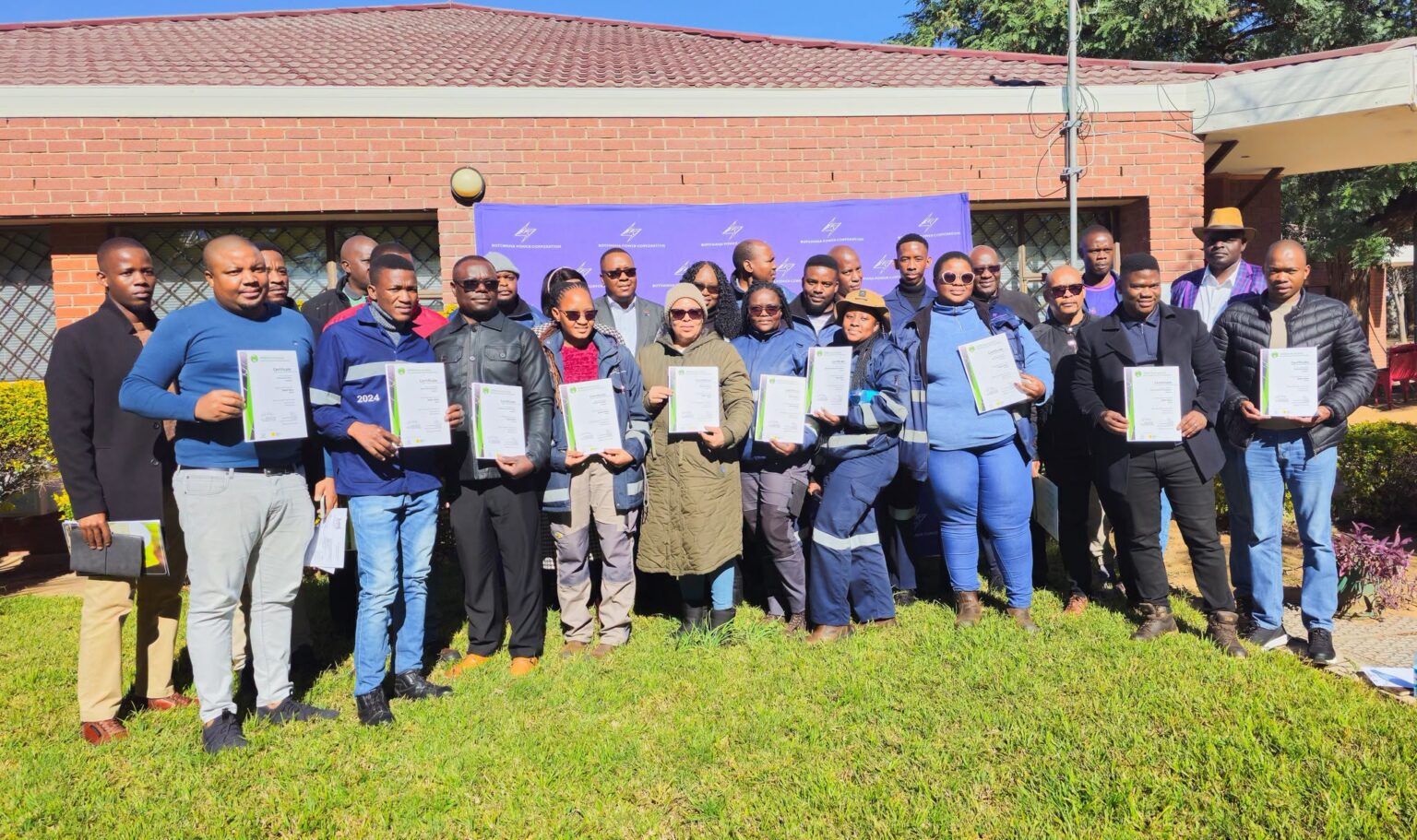
Botswana has taken another important step towards expanding its renewable energy sector after 39 solar inspection trainees received their certificates through the Ministry of Minerals and Energy. The certification ceremony took place on 4 July at the Botswana Power Corporation Training Centre in Gaborone and marked the successful completion of the Solar Inspections Training Programme for government institutions. The initiative forms part of the country’s Rooftop Solar Programme, which aims to increase the adoption of clean and sustainable energy solutions across Botswana. By investing in specialised training, the government is building the technical expertise needed to support the safe and reliable installation of solar energy systems. The programme also reflects Botswana’s long-term commitment to reducing its dependence on conventional energy sources while strengthening its renewable energy capacity.
The Solar Inspections Training Programme was funded by the European Union through the ASPIRE Programme, highlighting the importance of international partnerships in supporting Botswana’s clean energy transition. The training was designed to develop a skilled workforce capable of inspecting rooftop solar installations and ensuring that they meet the required technical and safety standards. As demand for renewable energy continues to grow, qualified inspectors will play an increasingly important role in maintaining the quality and performance of solar systems across the country. Their expertise will help ensure that government institutions and other users receive reliable solar installations capable of delivering long-term benefits. Building this technical capacity is essential for supporting Botswana’s broader renewable energy ambitions and encouraging greater investment in the sector.
During the certificate handover ceremony, Acting Deputy Permanent Secretary in the Ministry of Minerals and Energy, Thuso Cyril Matshameko, congratulated the 39 officers on completing the intensive training programme. He described the occasion as an important achievement not only for the participants but also for Botswana’s clean energy goals. Mr. Matshameko emphasised that inspection is one of the most critical stages in the solar value chain because it ensures that installations are safe, reliable and capable of delivering their expected performance over time. He also praised the officers for dedicating five days to intensive learning, noting that they had either acquired new technical skills or strengthened their existing knowledge. Their successful completion of the programme positions them to make valuable contributions to the country’s expanding renewable energy industry.
Mr. Matshameko also addressed one of the challenges that has affected public confidence in solar technology in the past. He explained that poor workmanship had resulted in some installations failing after only a few months of operation, leaving many users disappointed and reducing trust in renewable energy systems. Such experiences highlighted the need for stronger inspection processes to ensure that every installation complies with recognised standards before being put into service. According to Mr. Matshameko, well-trained inspectors will play a vital role in restoring confidence by identifying poor workmanship early and ensuring that only high-quality installations are approved. Their work will ultimately help improve the reliability and reputation of rooftop solar technology across Botswana.
Looking ahead, Mr. Matshameko encouraged continued professional development among certified inspectors to ensure their skills remain current as solar technologies continue to evolve. He also proposed introducing a green card system that would maintain a national database of trained inspectors. Such a system would identify qualified professionals, track their competencies and strengthen accountability within the renewable energy sector. A structured database would also make it easier for institutions and project developers to identify certified inspectors with the appropriate qualifications. This proposal reflects the Ministry’s commitment to maintaining high professional standards while supporting the sustainable growth of Botswana’s clean energy industry.
The Solar Inspections Training Programme represents just one part of the Ministry of Minerals and Energy’s broader strategy to strengthen technical capacity within government institutions. As Botswana continues investing in renewable energy infrastructure, the need for skilled professionals will continue to grow. Proper inspection helps ensure that rooftop solar systems operate efficiently, remain safe throughout their lifespan and provide maximum value for public investment. By equipping government officers with specialised inspection skills, the programme contributes directly to improving the overall quality of renewable energy projects across the country. These efforts also support national objectives related to energy security, environmental sustainability and economic development.
The certification of 39 solar inspection trainees marks a significant milestone in Botswana’s journey towards a cleaner and more sustainable energy future. Through the combined support of the Ministry of Minerals and Energy, the European Union and the ASPIRE Programme, the country is developing the skilled workforce needed to support its expanding renewable energy sector. The newly trained inspectors will play an essential role in ensuring that rooftop solar installations meet high standards of safety, quality and performance. Their expertise will help restore public confidence in solar technology while encouraging greater adoption of renewable energy solutions nationwide. As Botswana continues advancing its clean energy agenda, investments in training and technical excellence will remain central to achieving long-term sustainable development.