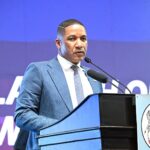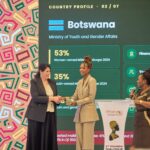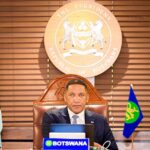
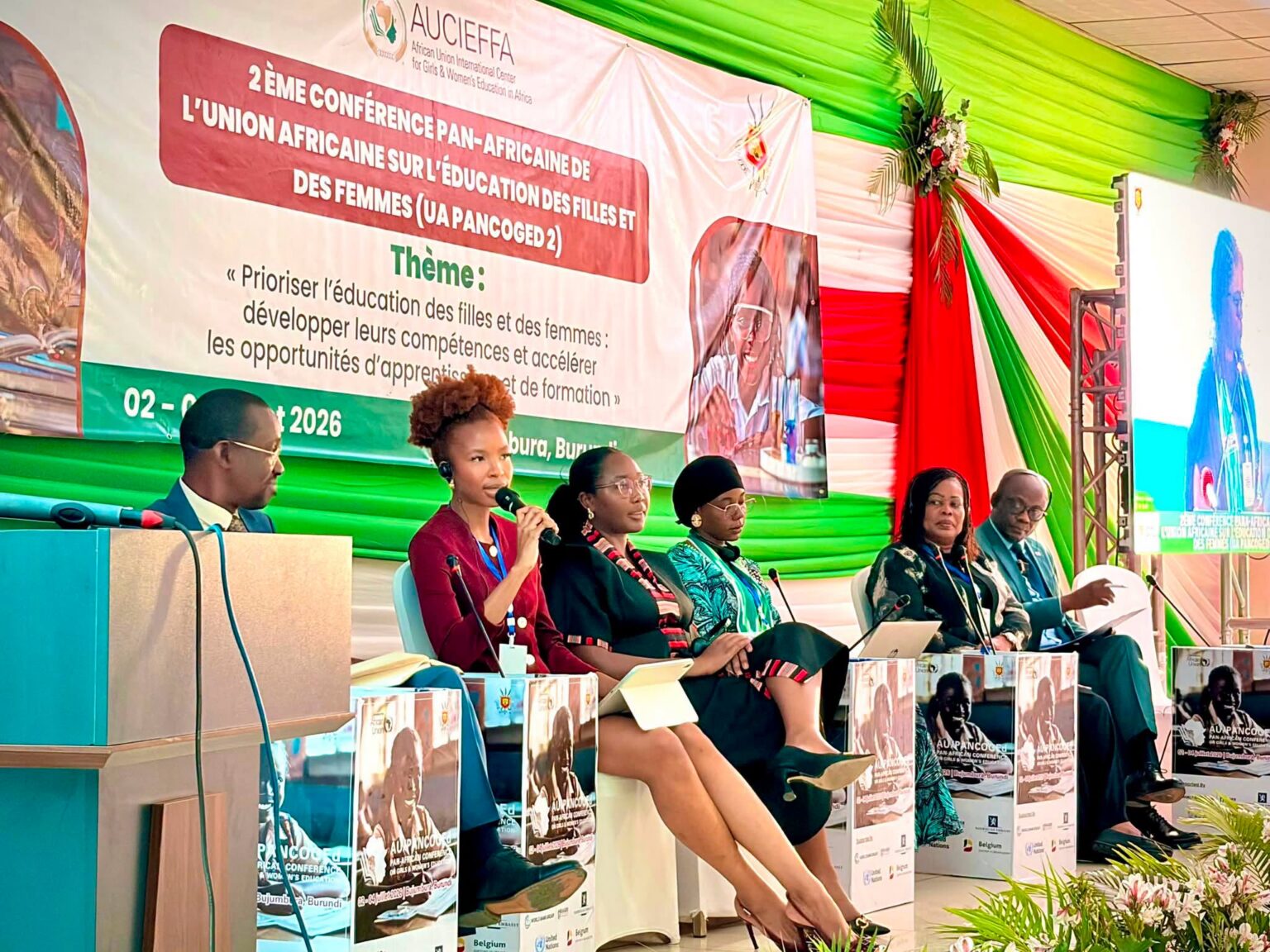
Honorable Lesego Chombo, Botswana’s Minister of Youth and Gender Affairs, recently joined leaders from across Africa at the Second African Union Pan-African Conference on Girls’ and Women’s Education in Bujumbura, Burundi. The high-level gathering took place from 2 to 4 July 2026 and brought together ministers, policymakers, development partners and education experts committed to transforming education for girls and women across the continent. The conference highlighted the urgent need to expand learning opportunities, remove barriers to education and equip young women with the knowledge and skills needed to thrive in an increasingly competitive world. Botswana’s participation demonstrated the country’s continued commitment to promoting gender equality and ensuring that every girl has access to quality education. As African nations continue working toward shared development goals, events such as this provide an important platform for collaboration, innovation and policy development.
The Second African Union Pan-African Conference on Girls’ and Women’s Education, also known as AU PANCOGEd 2, was held under the theme, “Prioritising Girls’ and Women’s Education: Develop their Skills and Accelerate Learning and Training Opportunities.” The conference attracted approximately 300 stakeholders from across Africa, including government representatives, education specialists, gender advocates, youth leaders and international development organisations. The discussions focused on creating practical solutions that can improve educational access, strengthen learning outcomes and prepare girls and women for meaningful participation in the modern economy. Delegates also examined the importance of investing in education systems that are inclusive, equitable and responsive to the changing needs of African societies. The conference reinforced the understanding that educating girls creates lasting social and economic benefits for families, communities and entire nations.
Honorable Lesego Chombo joined fellow ministers responsible for education, gender, youth and child protection in exploring strategies that can strengthen policies supporting girls’ education across Africa. The conference provided an opportunity for leaders to exchange successful approaches from their respective countries while identifying common challenges that continue to affect educational access. Topics such as gender equality, digital learning, technical and vocational education, school retention and leadership opportunities for young women featured prominently throughout the discussions. Participants also considered ways to strengthen partnerships between governments, civil society organisations and international institutions to maximise the impact of education programmes. Such collaborative dialogue is essential for developing coordinated solutions that address both regional and country-specific challenges.
One of the key messages emerging from the conference was that education remains one of the strongest tools for achieving sustainable development across Africa. When girls receive quality education, they are more likely to secure stable employment, contribute to economic growth, improve family health outcomes and participate actively in civic life. Investing in girls’ education also helps reduce poverty, promotes gender equality and strengthens social stability. Conference participants recognised that although many African countries have made significant progress in expanding educational access, further work remains to ensure that every girl can complete her education without facing discrimination or unnecessary barriers. This shared commitment reflects the African Union’s broader vision of creating inclusive education systems that leave no one behind.
The conference also emphasised the importance of equipping girls and young women with practical skills that match the demands of today’s labour market. Beyond traditional classroom education, delegates discussed expanding access to science, technology, engineering and mathematics, entrepreneurship training, digital literacy and vocational education. These areas are increasingly recognised as critical for preparing young people for future employment opportunities and economic participation. Policymakers highlighted the need to ensure that girls are encouraged and supported to pursue careers in sectors where women have historically been underrepresented. By strengthening skills development alongside academic learning, African countries can help build a generation of confident, capable and innovative young women.
Botswana’s participation in the conference reflects its ongoing efforts to support youth development, gender equality and inclusive national progress. Through the Ministry of Youth and Gender Affairs, the government continues to promote initiatives that empower young people while addressing challenges that disproportionately affect girls and women. Honorable Lesego Chombo’s attendance allowed Botswana to contribute to continental discussions while also learning from successful programmes implemented in other African countries. International conferences of this nature create valuable opportunities for governments to strengthen cooperation and align national strategies with broader African Union priorities. They also reinforce the importance of maintaining momentum toward achieving education goals outlined in continental and global development frameworks.
The conference in Bujumbura served as an important reminder that improving girls’ and women’s education requires sustained commitment from governments, educators, communities and development partners. While policy reforms remain essential, long-term success also depends on creating supportive learning environments, increasing investment in education and ensuring equal opportunities for all learners regardless of their background. Honorable Lesego Chombo’s participation underscored Botswana’s dedication to advancing these shared objectives alongside fellow African nations. As countries continue implementing the ideas and commitments discussed during AU PANCOGEd 2, greater collaboration will be essential in accelerating progress toward inclusive, equitable and quality education. Strengthening girls’ education today will help build stronger economies, healthier communities and a more prosperous future for Africa.