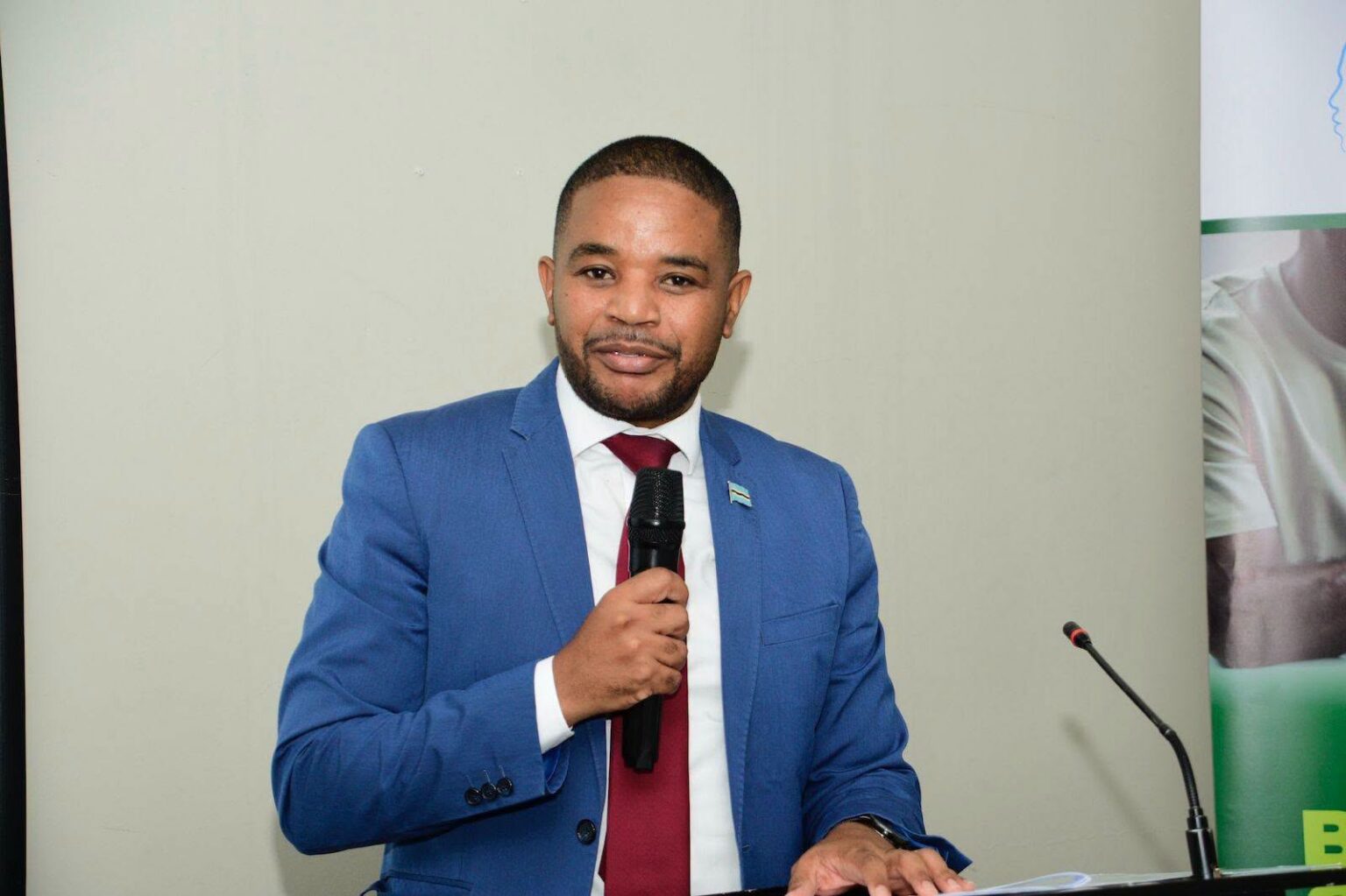
Botswana has taken an important step towards improving mental health services and access to essential medicines with the launch of the National Mental, Neurological and Substance Use (MNS) Initiative and Access to Medicines Survey. The initiative marks a shift towards preventing mental, neurological and substance use disorders while expanding access to care beyond specialised hospitals and tertiary health facilities. Led by the Ministry of Health, the programme aims to strengthen the country’s response to brain health challenges through improved healthcare services, community support and stronger partnerships. It also seeks to address barriers that prevent people from seeking treatment, particularly stigma, discrimination and limited access to appropriate care. Through this initiative, Botswana aims to build a more inclusive healthcare system that supports the mental and neurological well-being of all Batswana.
The National MNS Initiative recognises that mental, neurological and substance use disorders require a comprehensive approach that goes beyond treating patients after their conditions become severe. Traditional healthcare approaches often place significant attention on specialised treatment and hospital-based services. However, prevention, early identification and access to support within local communities can help people receive assistance before their conditions become more complicated. The new initiative seeks to strengthen these areas by encouraging more decentralised mental health services and integrating appropriate support into broader healthcare systems. This approach could make services more accessible to people who live far from specialised facilities or face financial and social barriers to treatment.
The Ministry of Health developed the initiative in collaboration with the World Health Organization (WHO) Botswana, academic institutions and civil society organisations. This cooperation reflects the importance of involving different sectors in addressing mental, neurological and substance use disorders. Healthcare professionals provide medical expertise, while academic institutions can contribute research and evidence to guide policy development. Civil society organisations also play an important role in reaching communities, supporting affected individuals and promoting awareness. Working together allows these partners to address both the medical and social factors that influence brain health in Botswana.
A major component of the launch was the presentation of findings from the National MNS Survey on the availability, pricing and affordability of medicines used to treat mental, neurological and substance use conditions. Access to appropriate medication is an important part of treatment for many people living with these disorders. However, the availability of medicines does not automatically mean that patients can obtain them when needed or afford the cost of treatment. Information about medicine prices, supply and affordability can help policymakers identify gaps within the healthcare system. The survey findings will therefore provide an evidence base for decisions aimed at improving access to essential brain health medicines across Botswana.
The survey is particularly important because the cost and availability of medicines can influence whether patients start treatment, continue taking prescribed medication or receive consistent care. Interruptions in treatment can create additional challenges for people managing long-term health conditions. By examining medicine availability and affordability, the Ministry of Health can better understand the difficulties experienced by patients and healthcare providers. The information can also help identify areas where medicine procurement, distribution and healthcare planning may require improvement. Although the survey findings will need to be considered alongside other health system information, they offer an important starting point for developing more responsive medicine access policies.
Another major focus of the initiative is aligning Botswana’s mental health and brain health priorities with international health commitments. The national roadmap is being anchored within the principles of Universal Health Coverage, which seek to ensure that people can access the health services they need without experiencing financial hardship. This approach recognises that mental and neurological healthcare should form part of essential health services rather than remain separate from broader healthcare delivery. The initiative also draws on the World Health Organization’s Intersectoral Global Action Plan on Epilepsy and Other Neurological Disorders 2022–2031. This global framework provides direction for countries seeking to improve prevention, treatment, care and support for people affected by neurological conditions. Aligning national priorities with these commitments can help Botswana develop a coordinated approach to improving health outcomes.
The initiative also places considerable emphasis on tackling stigma surrounding mental, neurological and substance use disorders. Stigma remains a significant barrier because individuals may avoid seeking help due to fear of discrimination, rejection or negative treatment from others. In some communities, misunderstandings about mental health conditions can contribute to silence and social exclusion. People experiencing these conditions may face difficulties at home, in educational institutions, workplaces and within their wider communities. Community-based advocacy will therefore play an important role in encouraging open discussions, improving public understanding and challenging harmful beliefs about mental and neurological disorders.
Through community interventions, the initiative seeks to promote psychosocial support and social reintegration for affected individuals. Psychosocial support recognises that recovery involves more than medical treatment and can include emotional assistance, counselling, family support and help with everyday challenges. Social reintegration focuses on helping individuals participate meaningfully in their communities and regain opportunities in education, employment and social activities. These interventions can help reduce isolation and create supportive environments for people living with mental health conditions. Families and community members also need accurate information so they can recognise the importance of treatment and provide appropriate support. By addressing stigma at community level, Botswana hopes to create conditions in which people feel more comfortable seeking help and continuing their care.
Strengthening partnerships is another important objective of the National MNS Initiative. The Ministry of Health has recognised the need to move beyond policy discussions and planning towards coordinated implementation involving civil society, academia, local authorities and international partners. Each of these stakeholders can contribute to different aspects of mental and neurological healthcare. Local authorities can support community-level engagement, while academic institutions can help generate research and evaluate interventions. Civil society organisations can assist with awareness campaigns, advocacy and support for affected populations. The involvement of WHO Botswana also provides an opportunity to align national efforts with established international public health priorities and technical guidance.
The findings from the National MNS Survey and Access to Medicines Survey will inform a national report intended to serve as a blueprint for improving brain health outcomes for all Batswana. Such a report can help identify existing gaps, establish national priorities and guide future interventions. It can also support better coordination between healthcare facilities, government departments and community organisations. A clear national framework is important because mental, neurological and substance use disorders can involve different healthcare needs and require cooperation across multiple sectors. The report is expected to provide a foundation for decisions on prevention, treatment, medicine access and community support. Its impact will ultimately depend on how effectively the recommendations are translated into policies, resources and services.
The shift from tertiary care towards prevention and decentralised services also has important implications for the delivery of healthcare in Botswana. Bringing appropriate mental health services closer to communities could reduce the need for patients to travel long distances to access specialised assistance. It may also support earlier identification of conditions and improve continuity of care through local healthcare facilities. For this approach to succeed, healthcare workers need appropriate training, adequate resources and clear referral systems for patients who require specialised treatment. Decentralisation should complement specialist services rather than replace the advanced care needed by people with complex conditions. A coordinated healthcare system can help ensure that patients receive appropriate support at different stages of their treatment and recovery.
The initiative also highlights the importance of recognising brain health as an essential part of overall well-being. Mental, neurological and substance use conditions can affect a person’s ability to work, study, maintain relationships and participate in community life. Their effects can extend to families and caregivers who may also need information and support. Improving access to healthcare, medicines and psychosocial services can therefore benefit not only individuals but also households and communities. Public awareness is equally important because people need to understand that these conditions require appropriate care and should not be treated as reasons for discrimination. Greater recognition of brain health can help encourage early intervention and more supportive attitudes across society.
The launch of the National Mental, Neurological and Substance Use Initiative and Access to Medicines Survey represents an opportunity for Botswana to strengthen its approach to mental health and neurological healthcare. By focusing on prevention, decentralised services, affordable medicines and community-based support, the Ministry of Health aims to address several barriers that affect access to care. Collaboration with WHO Botswana, academia, civil society and local authorities will remain important in turning the initiative’s objectives into practical improvements. The planned national report will provide a framework for guiding future action and strengthening the country’s response to brain health challenges. Ultimately, improving mental, neurological and substance use services requires sustained investment, effective partnerships and a commitment to ensuring that every Motswana can access appropriate care without stigma or discrimination.