The Ministry of Health has brought Members of Parliament together for an important engagement on Botswana’s National Health Insurance (NHI) Policy Reform, highlighting the need for informed leadership as the country considers major changes to its healthcare system. The engagement provided legislators with an opportunity to understand the objectives, structure and expected impact of the proposed reform. It also created space for Parliament to interrogate key aspects of the policy and consider how it can support equitable access to healthcare across the country. The discussions come at a significant time as Botswana continues to explore ways of strengthening its health system and improving the quality and accessibility of healthcare services. By equipping MPs with detailed information about the NHI reform, the Ministry of Health is supporting a more informed national conversation about the future of healthcare in Botswana.
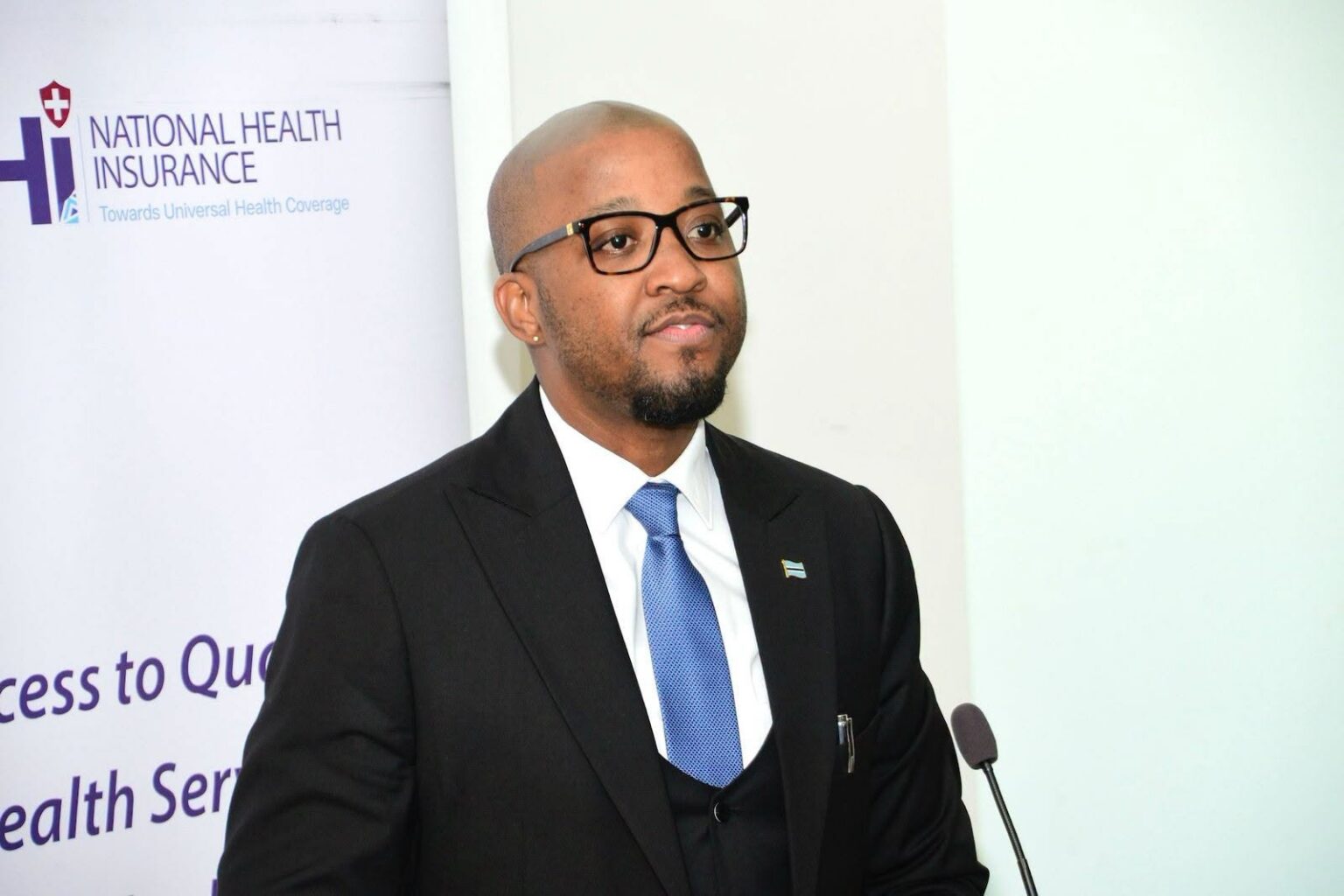
In his keynote address, Minister of Health, Hon. Dr Stephen Modise, described the NHI as a flagship reform aimed at ensuring that every person can access quality healthcare when they need it. He emphasised that access to healthcare should not depend on where a person lives or their socio-economic circumstances. A central objective of the proposed system is to protect people from financial hardship associated with accessing essential healthcare services. This approach places universal and equitable access at the centre of the health reform agenda. It also reflects the broader goal of developing a healthcare system that responds to the needs of citizens while ensuring that available resources are used effectively.
The NHI reform has the potential to influence how healthcare services are financed, organised and accessed across Botswana. A system that pools resources can help create a broader financial base for healthcare while reducing the extent to which individuals have to carry healthcare costs on their own. Strategic purchasing of healthcare services can also help ensure that public funds are directed towards services that provide meaningful benefits to patients. The success of such a reform, however, depends on effective planning, strong institutions, sound financial management and clear accountability mechanisms. The engagement with Members of Parliament therefore provides an important opportunity to examine these issues before major policy decisions are implemented.
Acting Speaker of the National Assembly, Hon. Helen P. Manyeneng, described the engagement as timely and necessary, underscoring Parliament’s important role in advancing Botswana’s health sector. Parliament has a critical responsibility to scrutinise major public policies and ensure that proposed reforms respond to the needs and interests of citizens. Legislators also need sufficient information to assess the financial, administrative and social implications of significant changes to public services. The engagement allowed MPs to gain greater insight into the NHI policy while creating an avenue for questions and informed discussion. Strong parliamentary participation can help strengthen oversight and contribute to greater public confidence in major healthcare reforms.
Senior NHI Consultant, Ms. Lydia Andries, provided further insight into how the proposed reform would operate. She explained that the NHI seeks to pool and ring-fence public funds while strategically organising and purchasing healthcare services to promote equitable access. Pooling funds can help spread healthcare risks across a wider population and create a more coordinated approach to financing services. Ring-fencing resources can also help ensure that funds intended for healthcare are protected and directed towards agreed health priorities. Strategic purchasing could allow authorities to assess healthcare needs and allocate resources in a manner that supports better access, service quality and value for money.
The policy reform also raises important questions about how Botswana can ensure that healthcare remains accessible to people in different communities and circumstances. Equitable healthcare requires attention to differences in geography, income, service availability and the capacity of healthcare facilities. A national insurance framework must therefore operate alongside efforts to strengthen healthcare infrastructure, staffing, medicine availability and service quality. Financial reform alone cannot guarantee better healthcare if patients continue to face gaps in the availability or quality of services. The NHI discussion provides an opportunity for policymakers to consider these wider system requirements and develop an approach that connects healthcare financing with improvements in service delivery.
The involvement of Members of Parliament is particularly important because legislators represent communities across Botswana and have direct insight into the concerns faced by citizens. Their participation can help ensure that policy discussions take account of different experiences and challenges within the country. MPs can also play a role in communicating the objectives of the NHI reform to their constituencies and helping citizens understand what proposed changes could mean for them. At the same time, parliamentary scrutiny can identify areas that require further clarification, safeguards or adjustment. An informed legislature can therefore contribute to a stronger policy process and help ensure that the final framework reflects both national priorities and the practical realities of healthcare delivery.
Closing the engagement, Assistant Minister of Health, Hon. Lawrence Ookeditse, reaffirmed the Government’s commitment to building a health system that leaves no one behind. His remarks reinforced the central principle behind the NHI reform, which is to expand access to quality healthcare while protecting people from financial hardship. Achieving this goal will require sustained cooperation between Government, Parliament, healthcare professionals, communities and other stakeholders. It will also require transparent implementation, effective monitoring and continued assessment to ensure that the system delivers the intended benefits. The Government’s commitment will ultimately be measured by whether the reforms translate into more accessible, affordable and responsive healthcare for people across Botswana.
The engagement between the Ministry of Health and Members of Parliament marks an important step in advancing Botswana’s National Health Insurance Policy Reform. By providing legislators with detailed information and an opportunity to interrogate the proposed changes, the process can contribute to better-informed decision-making and stronger parliamentary oversight. The reform presents an opportunity to rethink how healthcare resources are pooled, protected and used to improve access for all Batswana. Its success will depend on effective implementation, responsible management of public funds and a continued focus on the quality of services available to patients. With sustained dialogue and collaboration, the NHI reform can contribute to a stronger, fairer and more responsive healthcare system that places equitable access and the well-being of every citizen at its centre.