Botswana’s political parties met in Gaborone yesterday for the All-Party Conference (APC) forum as efforts to reform the country’s electoral system move forward. The meeting brought together political parties to discuss outstanding issues linked to the country’s electoral framework and prepare their submissions for the comprehensive review of the Electoral Act. The review is intended to strengthen Botswana’s electoral system and address key challenges that affect the conduct and administration of elections. The discussions come at a time when cooperation among political parties remains important to building broad support for changes to electoral laws. The APC therefore provides a platform for parties to exchange views and contribute to the reform process.
The main focus of the meeting was to put the finishing touches on submissions for the comprehensive review of the Electoral Act. These submissions are expected to reflect the views and concerns of political parties on how Botswana’s electoral framework can be improved. A comprehensive review allows stakeholders to examine existing provisions and consider whether changes are needed to address problems that have emerged over time. The process also gives political parties an opportunity to participate directly in discussions about the rules governing elections. Their involvement can help ensure that proposed reforms consider different political perspectives and practical concerns.
The Electoral Act provides the legal framework for important aspects of Botswana’s electoral system. Any review of the legislation therefore has implications for how elections are organised, administered and regulated. Political parties have a direct interest in these arrangements because electoral laws affect candidates, voters and political organisations. Discussions through the APC can help identify areas where the current framework may require clarification, adjustment or strengthening. The goal is to develop reforms that reinforce confidence in the electoral process while addressing the key issues identified through the review.
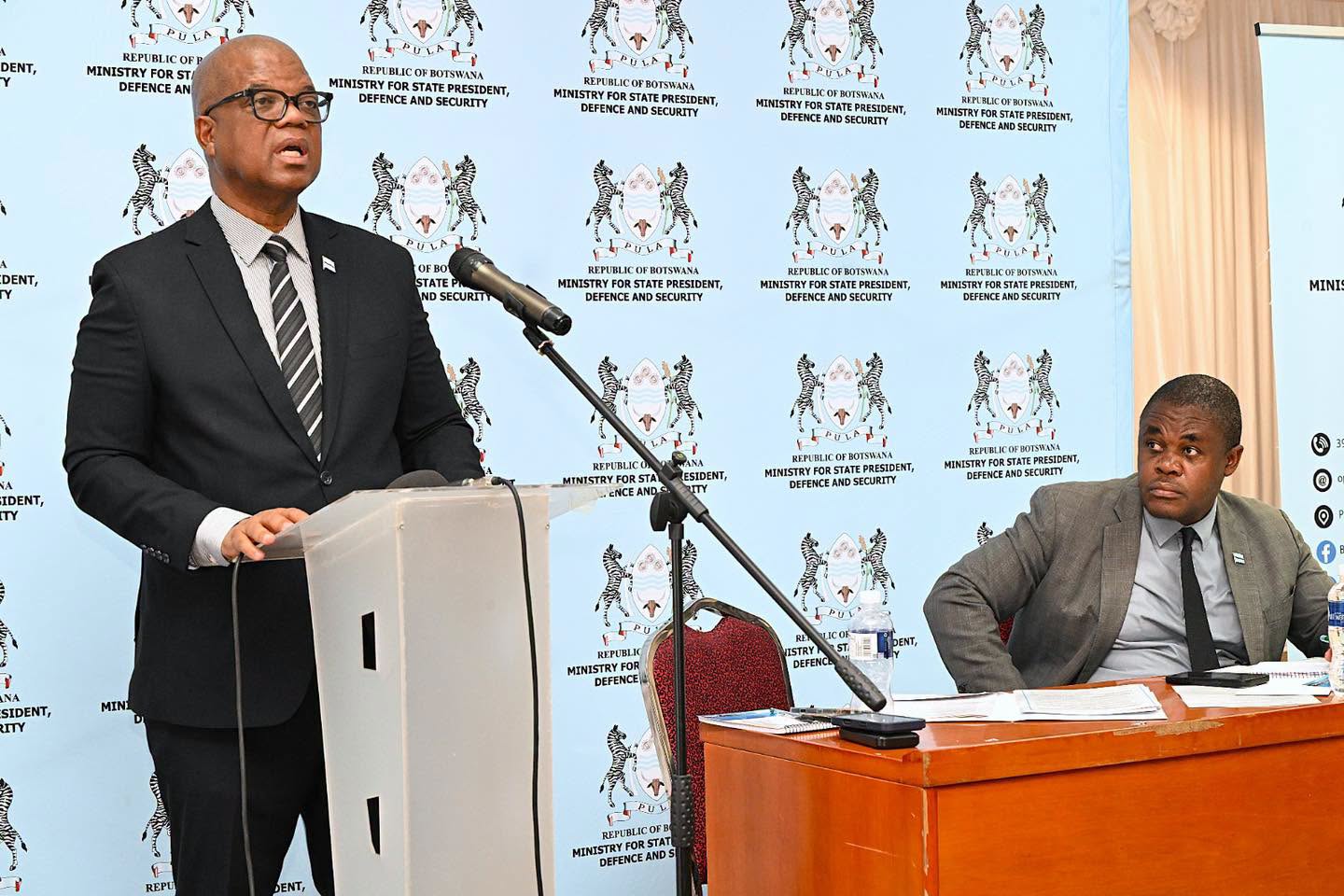
Speaking at the APC forum, Minister for State President, Defence and Security Moeti Mohwasa said the platform had achieved considerable progress. His comments highlighted the importance of the work already undertaken by political parties and other participants in the reform process. He also stressed that progress on electoral reform requires continued cooperation rather than isolated efforts by individual political organisations. Constructive engagement can help parties identify areas of agreement while allowing differences to be discussed within an organised forum. This approach is particularly important when proposed changes affect the rules under which political competition takes place.
The minister underscored the need for continued cooperation and constructive dialogue among all political parties. Electoral reforms can involve issues on which political organisations have different interests and opinions, making sustained dialogue essential. A forum such as the APC gives parties an opportunity to raise concerns, explain their positions and consider alternative proposals. It can also help reduce misunderstandings by allowing issues to be discussed directly between political stakeholders. Continued engagement will therefore be important as the reform proposals move through the next stages of consideration.
The review of Botswana’s Electoral Act is part of a broader effort to reinforce the country’s electoral framework. A strong electoral system needs clear rules, effective administration and confidence among political parties and voters. It must also provide a workable framework for resolving issues that arise during the electoral process. Reviewing legislation provides an opportunity to examine whether existing arrangements continue to meet these needs. The APC discussions are significant because political parties are among the stakeholders most closely connected to the practical operation of the electoral system.
Political party participation can also contribute to the legitimacy of electoral reforms. When parties have an opportunity to submit proposals and engage in discussions, they can help shape changes rather than simply respond to them after decisions have been made. This process can encourage greater understanding of the reasons behind proposed amendments and the problems they are intended to solve. It also creates space for different political interests to be considered before reforms are finalised. The quality of this dialogue will be important to how the proposed electoral changes are received across Botswana’s political landscape.
The discussions in Gaborone also demonstrate the role of the All-Party Conference as a forum for political engagement. Bringing parties together creates a structured setting for discussing issues that affect the wider political system. Electoral reform is particularly suited to such a platform because changes to election laws can affect every political party, regardless of its size or position. Continued participation can help parties focus on the functioning of the electoral framework rather than only on short-term political interests. The success of the process will depend on whether stakeholders can maintain meaningful dialogue as the review progresses.
The next stages will require the issues raised by political parties to be considered carefully as work on the Electoral Act review continues. Completing submissions is an important step, but it is not the end of the reform process. Further consideration will be needed before any proposed changes become part of Botswana’s electoral framework. Political parties will have an ongoing role in expressing their views and engaging with the proposals that emerge from the review. The emphasis on cooperation from Minister Moeti Mohwasa suggests that sustained engagement will remain central to the process.
Botswana’s electoral system plays a fundamental role in the country’s democratic institutions, making the review of its legal framework an important national issue. The APC meeting in Gaborone has provided political parties with an opportunity to advance their submissions and contribute to discussions on structural electoral reforms. The progress highlighted by Minister Moeti Mohwasa indicates that the process has moved forward, while his call for cooperation underlines the work that remains. A constructive approach among political parties can help ensure that concerns are properly considered and that proposed reforms respond to genuine challenges within the electoral framework. As Botswana continues its comprehensive review of the Electoral Act, sustained political dialogue will be essential to developing reforms that strengthen the country’s electoral system and public confidence in its democratic processes.