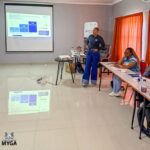

Botswana has taken another important step toward strengthening its professional boxing industry with the launch of a two-day training workshop for boxing officials. The initiative brings together some of the sport’s most important stakeholders to improve technical expertise, governance and professional standards across the country. Organised by the Professional Boxing Association of Botswana (PBAB) in partnership with Boxing South Africa, the workshop reflects a growing commitment to building a stronger and more sustainable professional boxing sector. By investing in education and skills development, organisers hope to position Botswana as a competitive destination for professional boxing in the region. The training also demonstrates that the future success of the sport depends not only on talented athletes but also on qualified officials who can uphold international standards.
The workshop has attracted a diverse group of participants representing different areas of professional boxing. Promoters, judges, referees, matchmakers and ring announcers are all taking part in the training, recognising that every role contributes to the success and credibility of the sport. Participants are expected to develop both technical knowledge and practical skills that will help improve the organisation and management of professional boxing events. The programme is designed to ensure that officials are equipped to perform their duties with confidence, consistency and professionalism. Strengthening the expertise of these key individuals is expected to enhance the quality of competitions while increasing public confidence in Botswana’s professional boxing industry.
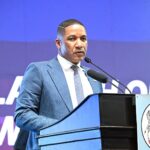
Delivering the keynote address, the Director of Sport and Recreation in the Ministry of Sport and Arts, Mr Moeti Godisamang, described the workshop as an important milestone in the development of professional boxing in Botswana. He referred to the initiative as an investment in people, institutions and the future of sport, highlighting the long-term value of building human capacity. Mr Godisamang praised the Professional Boxing Association of Botswana executive committee for its dedication to improving governance, strengthening technical capacity and raising professional standards. He noted that aligning Botswana’s boxing structures with international best practices is essential for the continued growth of the sport. His remarks reinforced the government’s support for initiatives that improve professionalism and create stronger sporting institutions.
Mr Godisamang also emphasised that professional boxing should be viewed as more than a source of entertainment or sporting achievement. He explained that the sport has significant potential to contribute to Botswana’s broader economic development and diversification efforts. According to him, professional boxing events can stimulate activity across multiple sectors of the economy, creating opportunities that extend well beyond the boxing ring. A major tournament can generate income for hotels, restaurants, transport providers, security companies, media organisations and local businesses. This wider economic impact highlights how investment in sport can support employment, entrepreneurship and community development while promoting Botswana as a destination for sporting events.
Professional boxing has increasingly become an important economic sector in many countries because it creates opportunities for athletes and a wide range of supporting industries. Successful boxing events require organisers, medical personnel, event managers, broadcasters, photographers, sponsors and marketing professionals, all of whom contribute to the overall sports value chain. Botswana has the potential to benefit from similar opportunities as its professional boxing industry continues to develop. Expanding the sport could also encourage sports tourism by attracting international fighters, officials and supporters to local tournaments. These benefits make continued investment in professional boxing both a sporting and economic priority.
Speaking during the workshop, PBAB President Mr Seroba Binda acknowledged that Botswana is still working to align its legal and professional framework with internationally recognised boxing standards. He recognised that there are important gaps that need to be addressed to ensure the country’s professional boxing industry can compete effectively on the global stage. Despite these challenges, Mr Binda reaffirmed the association’s commitment to working closely with government and other stakeholders to strengthen the regulatory environment. He stressed that collaboration will be essential in modernising the sport and ensuring sustainable growth. His comments reflected the association’s determination to build a professional boxing system that is transparent, accountable and internationally respected.
Mr Binda further explained that the Professional Boxing Association of Botswana sees the sport as a valuable platform for creating employment, supporting tourism and generating sustainable revenue. As the industry grows, it has the potential to provide opportunities not only for boxers but also for coaches, trainers, officials, promoters and numerous service providers. Well-organised competitions can attract sponsorship, media coverage and commercial partnerships that strengthen the financial sustainability of the sport. Increased investment can also improve athlete development programmes and create more opportunities for young people who aspire to build careers in professional boxing. This broader vision positions boxing as an industry capable of contributing to Botswana’s social and economic progress.
The training is being facilitated by renowned South African boxing expert Dr Loyiso Mtya, whose experience brings valuable international knowledge to the programme. Participants are engaging in discussions covering essential aspects of professional boxing, including tournament administration, governance, boxer welfare, licensing procedures and sanctioning requirements. These areas are critical for ensuring that competitions are conducted fairly, safely and in accordance with recognised international regulations. Strong governance and proper administrative systems also protect athletes while improving the credibility of boxing organisations. The practical lessons shared during the workshop are expected to help officials perform their responsibilities more effectively while supporting the continued development of the sport.
The two-day training workshop represents a significant investment in the future of professional boxing in Botswana. By bringing together officials, administrators and industry experts, the programme is helping build the knowledge, skills and governance structures needed to elevate the sport to higher professional standards. Continued collaboration between the Professional Boxing Association of Botswana, Boxing South Africa, government institutions and other stakeholders will play an important role in achieving long-term success. As Botswana strengthens its professional boxing framework, the country stands to benefit from improved sporting excellence, greater economic opportunities and increased international recognition. The workshop marks another positive step toward creating a professional boxing industry that supports athletes, creates jobs and contributes meaningfully to Botswana’s sporting and economic future.