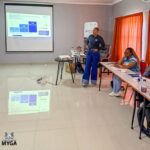
Botswana is taking steps to strengthen the wellbeing and development of learners through a new partnership between the Care and Support for Teaching and Learning Unit and Lions International. The newly established unit operates under the Department of Learner Support Services within the Ministry of Child Welfare and Basic Education. The partnership focuses on equipping educators with the knowledge, practical skills and support they need to effectively implement social and emotional learning programmes in schools. Social and emotional learning can help learners develop important skills such as emotional intelligence, resilience, empathy and healthy relationship building. By strengthening these capabilities among both teachers and learners, the initiative aims to create safer, more inclusive and supportive classrooms that can contribute to improved academic and personal outcomes.
The establishment of the Care and Support for Teaching and Learning Unit highlights the growing importance of learner wellbeing within Botswana’s education system. Education involves more than academic instruction because learners also need emotional and social support to participate effectively in school. Challenges involving stress, relationships, confidence, behaviour and emotional wellbeing can affect a learner’s ability to concentrate and engage with lessons. Teachers are often in a strong position to identify these challenges because they interact with learners regularly and observe their behaviour in the classroom. Providing educators with appropriate training can therefore strengthen the ability of schools to respond to learners’ broader developmental needs.
The partnership with Lions International places teachers at the centre of efforts to strengthen social and emotional learning in schools. Educators will receive training designed to improve their understanding of SEL principles and their ability to incorporate these approaches into everyday teaching. The programme also includes mentorship, which can give teachers continued guidance as they apply what they have learned in their classrooms. Collaborative learning opportunities will allow educators to share experiences, discuss challenges and identify practical approaches that work in different school environments. This combination of training and ongoing support can help ensure that SEL becomes part of classroom practice rather than remaining a short-term initiative.
Social and emotional learning focuses on skills that influence how learners understand themselves, interact with others and respond to challenges. Emotional intelligence can help children recognise and manage their emotions while developing a better understanding of how their behaviour affects other people. Resilience can help learners cope with setbacks and continue working towards their goals when they face difficulties. Empathy can support respectful interactions by helping learners understand different perspectives and respond appropriately to the feelings of others. These skills can contribute to healthier relationships and a more positive learning environment while supporting learners as they develop capabilities that remain valuable beyond their school years.
Teachers also stand to benefit from greater knowledge of social and emotional learning. Educators who understand SEL approaches can use classroom activities and communication strategies that encourage cooperation, self-awareness and responsible decision-making. They can also develop stronger ways of responding to conflict and behaviour challenges without relying only on disciplinary measures. A supportive approach can help learners feel more comfortable expressing concerns and seeking assistance when they experience difficulties. When teachers have the right tools and confidence, they can create classroom environments where learners feel respected, valued and able to participate.
The partnership also aims to promote safe and inclusive classrooms where learners from different backgrounds and with different needs can participate meaningfully. Inclusion requires schools to recognise that learners do not all experience the same challenges or respond to situations in the same way. Teachers need practical strategies that allow them to support different emotional, social and learning needs while maintaining a positive classroom environment. SEL can provide a framework for encouraging respect, communication and cooperation among learners. These approaches can help reduce social isolation, strengthen peer relationships and create classroom cultures where learners are more willing to support one another.
Mentorship will be particularly important in ensuring that teachers can translate training into consistent classroom practice. Learning about SEL concepts during a workshop is useful, but educators may encounter different challenges when they begin applying those concepts with their learners. Ongoing mentorship can provide opportunities to discuss these challenges and receive guidance from experienced practitioners. It can also help teachers evaluate what works, make adjustments and develop greater confidence in using SEL strategies. This continued support can strengthen the long-term impact of the partnership and help schools develop sustainable approaches to learner wellbeing.
Collaborative learning will further strengthen the initiative by encouraging educators to learn from one another. Teachers working in different schools may encounter similar challenges but develop different solutions based on their learners and school environments. Sharing these experiences can help educators identify practical strategies that can be adapted to their own classrooms. Collaboration can also encourage teachers to view learner support as a shared responsibility rather than an issue that rests with one individual or department. Building stronger professional networks among educators can therefore contribute to more consistent approaches to social and emotional learning across schools.
The expected benefits extend beyond emotional wellbeing because social and emotional development can influence academic performance. Learners who can manage their emotions, communicate effectively and build positive relationships may find it easier to participate in classroom activities and work with others. A supportive classroom can also reduce distractions caused by unresolved conflict and behavioural difficulties. When learners feel safe and respected, they may be more willing to ask questions, participate in discussions and seek help when they do not understand their work. By supporting both emotional development and classroom engagement, SEL can complement Botswana’s broader efforts to improve the quality of education.
The partnership between the Care and Support for Teaching and Learning Unit and Lions International also reflects the importance of collaboration in addressing complex challenges within education. Government departments provide the policy direction and institutional framework, while partnerships can bring additional expertise, training opportunities and practical resources. Working together can help strengthen programmes that address the needs of both educators and learners. The focus on training, mentorship and collaborative learning provides a structured approach that can support long-term capacity building within schools. It also creates an opportunity to develop educators who are better equipped to respond to the academic, social and emotional needs of their learners.
The work of the newly established Care and Support for Teaching and Learning Unit could therefore become an important part of Botswana’s broader learner support strategy. Its partnership with Lions International places emphasis on prevention, capacity building and creating positive school environments rather than focusing only on problems after they occur. Equipping teachers with SEL knowledge and practical skills can help schools respond more effectively to the everyday challenges learners face. The approach also recognises that learner wellbeing and academic achievement are closely connected aspects of a successful education experience. As the programme develops, continued training, mentorship and collaboration will be important to maintaining its impact and reaching more educators and learners.
Botswana’s partnership between the Care and Support for Teaching and Learning Unit and Lions International represents a meaningful investment in the people at the centre of the education system. By equipping teachers to implement social and emotional learning, the initiative can help schools build environments where learners feel safe, included and supported. Developing emotional intelligence, resilience, empathy and positive relationship skills can give learners tools that support both their education and their personal development. The focus on teacher training, mentorship and collaborative learning can also help ensure that these benefits become part of everyday classroom practice. With sustained commitment, the initiative has the potential to strengthen learner wellbeing, improve classroom experiences and contribute to better academic and personal outcomes for children across Botswana.